EN
EN
how-to-scale-from-preroll-cone-samples-to-bulk-production, how-to-scale-from-preroll-cone-samples-to-bulk-production, /news
EN
2026/09/17
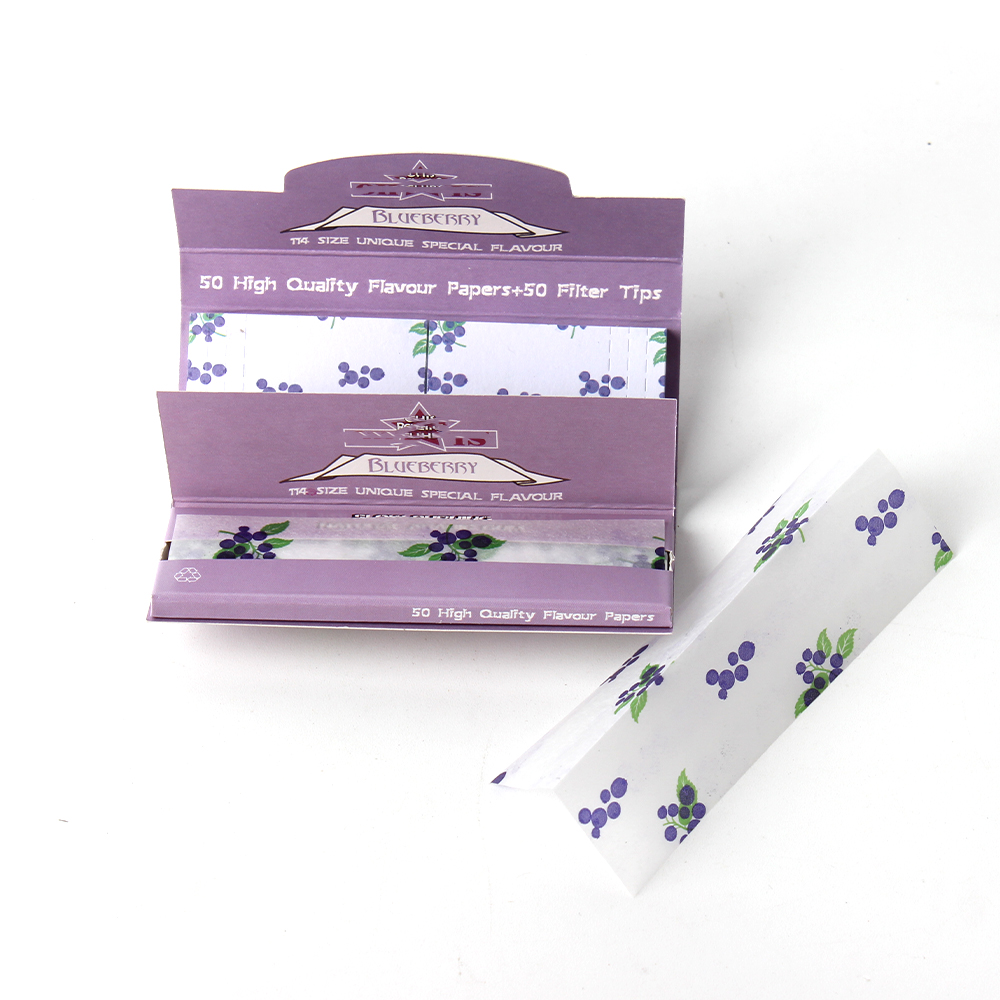
Moving from pre rolled cones sample testing to full-scale bulk production represents a critical inflection point for any rolling paper manufacturer or distributor. The transition from prototype validation to commercial output requires strategic planning, quality assurance protocols, and clear understanding of production capabilities. Many companies rush this phase without establishing proper foundational processes, leading to quality inconsistencies, supply chain disruptions, and missed revenue opportunities. This guide walks you through the essential steps to successfully scale your pre-rolled cone operations from limited samples into reliable bulk production.

The pathway from sample production to scale up involves multiple interconnected phases. Each stage builds on previous learnings and establishes operational foundations for the next level. Understanding these phases helps manufacturers and distributors avoid common pitfalls and accelerate their time-to-market for bulk production. Whether you're working with OEM cones partners or developing proprietary designs, the core principles remain consistent: validate quality early, build supplier relationships strategically, and establish repeatable processes before volume increases.
Sample approval marks the formal entry point into your production roadmap. During this phase, you define quality standards, material specifications, and manufacturing parameters that will guide your bulk production. Your sample approval process must document every critical dimension, coating consistency, and performance metric. This documentation becomes the baseline for all future quality control activities. Working closely with your supplier during sample approval ensures alignment on specifications and reduces surprises when scaling up.
The sample approval stage typically involves multiple review iterations. You'll examine cone geometry, rolling consistency, burn characteristics, and packaging presentation. Each revision should move you closer to your target specifications. Rather than approving a sample hastily, invest time in detailed testing and feedback. This investment pays dividends when you transition to bulk production because manufacturing teams already understand your exact requirements. Document every revision and approval decision for future reference and training purposes.
Effective sample approval requires measurable quality metrics aligned with consumer expectations and regulatory requirements. Establish testing protocols for cone dimensions, paper thickness, adhesive strength, and burn rate. These metrics should be quantifiable rather than subjective to ensure consistency across batches. Your OEM cones supplier should be able to demonstrate how they achieve and verify these specifications. Request detailed test reports and certificates of analysis alongside your samples to validate manufacturing capability.
Testing protocols also include stress testing for production feasibility. Evaluate whether the cones can withstand automated filling equipment, packaging machinery, and transportation conditions. Early identification of design modifications prevents expensive production line failures later. Build redundancy into your testing by involving end-users or focus groups in the sample evaluation process. Their feedback often reveals practical issues that internal teams might overlook.
A successful scale up transforms your approved sample design into repeatable manufacturing processes at higher volumes. Before scaling, map out your production roadmap including volume targets, timeline milestones, and resource requirements. Your scale up strategy should address machinery capacity, raw material sourcing, workforce training, and quality control infrastructure. Many manufacturers underestimate the complexity of this transition by assuming that scaled operations simply multiply the sample process. In reality, bulk production introduces new variables including batch consistency, equipment performance variability, and supply chain coordination challenges.
Your OEM cones partner should provide detailed capacity planning information including production lead times, minimum order quantities, and capability limits. Understand the supplier's constraints before committing to aggressive volume targets. If your demand exceeds current capacity, discuss expansion timelines or alternative sourcing strategies. Build flexibility into your scale up plan to accommodate market changes, supplier disruptions, or technical issues that emerge during early production runs.
Bulk production requires more sophisticated quality control than sample operations. Implement in-process monitoring systems that catch defects early before they reach customers. Establish sampling protocols for incoming raw materials, work-in-progress checkpoints, and finished goods inspection. Statistical process control methods help you track manufacturing stability and identify trends that signal upcoming problems. Regular audits of your quality systems ensure they remain effective as production volumes increase.
Quality control infrastructure should include environmental monitoring for humidity and temperature, which significantly affect cone consistency. Invest in testing equipment that matches production speed and provides real-time feedback. Train your production team on quality standards and empower them to stop production when they identify issues. A quality-first culture prevents costly recalls and protects your brand reputation in competitive markets. Document all quality data and use it to continuously improve your manufacturing processes over time.
Your relationship with your OEM cones manufacturer becomes increasingly critical as you scale up production. Establish regular communication channels and schedule periodic meetings to review performance metrics, discuss capacity needs, and address quality issues. Transparency about your growth projections helps suppliers plan their own expansion and avoid supply disruptions. Share demand forecasts quarterly to give suppliers visibility into your needs. This collaborative approach strengthens partnerships and often results in better pricing and service levels.
When evaluating OEM suppliers, consider not just current capacity but their growth trajectory and investment in new equipment. A supplier investing in automation and quality infrastructure will better support your long-term scaling ambitions. Negotiate terms that include continuous improvement incentives and quality guarantees. Clear contracts that define specifications, delivery schedules, and problem resolution processes prevent disputes during critical production phases. Some manufacturers benefit from establishing secondary suppliers to mitigate supply chain risk as volumes increase.
Transitioning to bulk production increases your working capital requirements significantly. Develop inventory management practices that balance safety stock against carrying costs. Just-in-time ordering works well for mature operations but may create vulnerability during your initial scale up phase. Consider holding slightly higher safety stock until your supply chain stabilizes and you gain confidence in delivery reliability. Coordinate with your logistics partners to optimize transportation costs and delivery frequency as volumes increase.
Your packaging and distribution infrastructure must also evolve to handle bulk volumes. Evaluate whether current warehouse capacity can accommodate larger inventory levels. Plan for increased labeling, quality assurance, and shipping activities. Automation in warehousing and fulfillment can significantly reduce labor costs and improve accuracy as volumes scale. Build relationships with logistics providers early and communicate your growth plans so they can allocate resources appropriately to support your expansion.
Sample approval timeframes vary widely depending on complexity and feedback cycles. Simple designs might require two to four weeks of testing and revision, while specialized OEM cones could take two to three months. The critical factor is completing thorough testing rather than rushing approval. Many companies accelerate this phase by scheduling concurrent reviews and establishing clear approval criteria upfront. Regular communication with your supplier helps identify and resolve issues faster, reducing overall timeline.
Quality issues during bulk production typically stem from scalability problems, material variation at higher volumes, or equipment capability gaps. Return to your OEM cones supplier immediately to investigate root causes. Evaluate whether the issue relates to raw material batches, manufacturing parameters, or equipment tolerances. Implement immediate containment measures including enhanced inspection while permanent corrections are developed. Use these incidents as learning opportunities to strengthen your sample approval process and quality control systems for future production runs.
Developing secondary suppliers during scale up reduces supply chain risk and provides negotiating leverage, but also increases complexity. If your primary supplier faces capacity constraints or quality issues, secondary suppliers provide continuity. However, managing multiple suppliers requires maintaining identical specifications and quality standards across both parties. Many companies start with one trusted OEM partner and carefully add secondary suppliers only if demand exceeds single-source capacity. This balanced approach provides security without excessive operational complexity during your growth phase.