EN
EN

material-selection-for-unbleached-ecofriendly-custom-filter-tips, material-selection-for-unbleached-ecofriendly-custom-filter-tips, /news
EN
2026/08/10
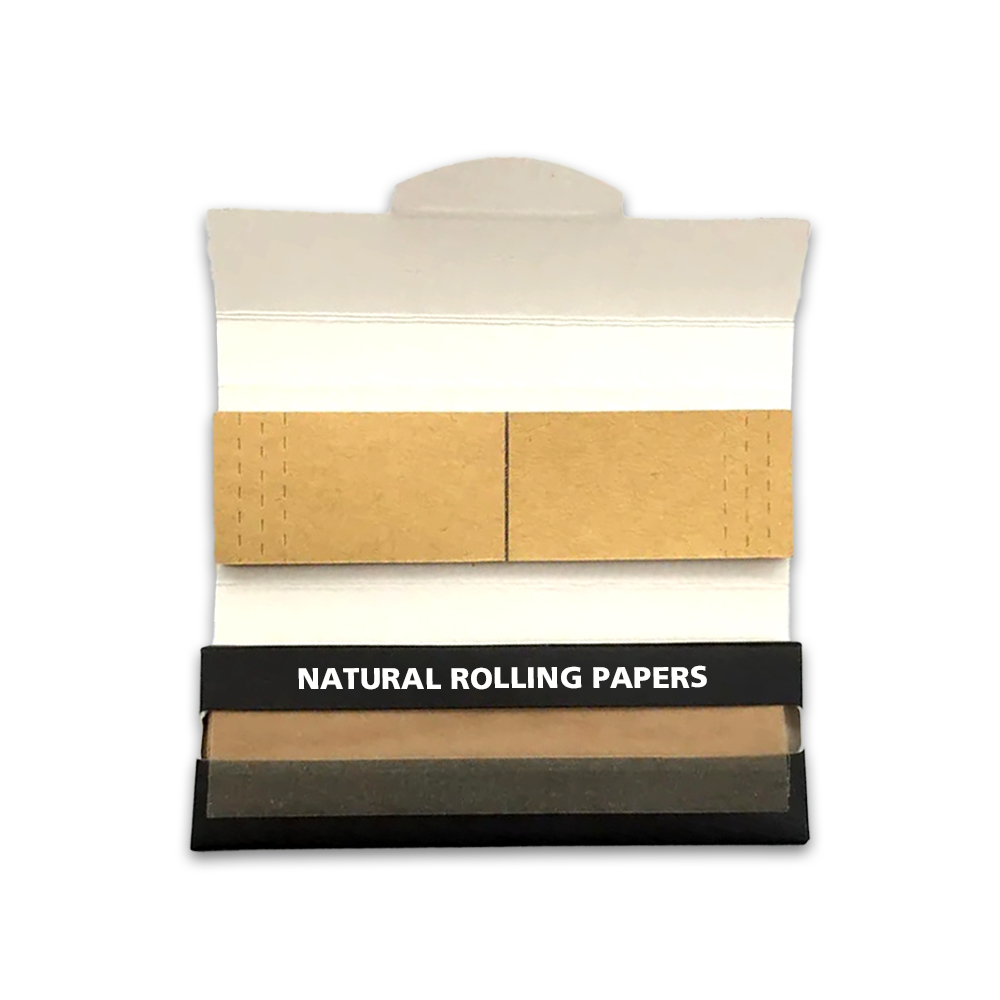
Selecting the right materials for custom filters represents a critical decision for manufacturers and brands seeking to combine functionality with environmental responsibility. Unbleached eco-friendly custom filter tips have become increasingly popular as consumers demand sustainable alternatives to traditional filtered products. Understanding the material composition, manufacturing standards, and performance characteristics of custom natural tips ensures that your final product meets both quality expectations and environmental commitments.
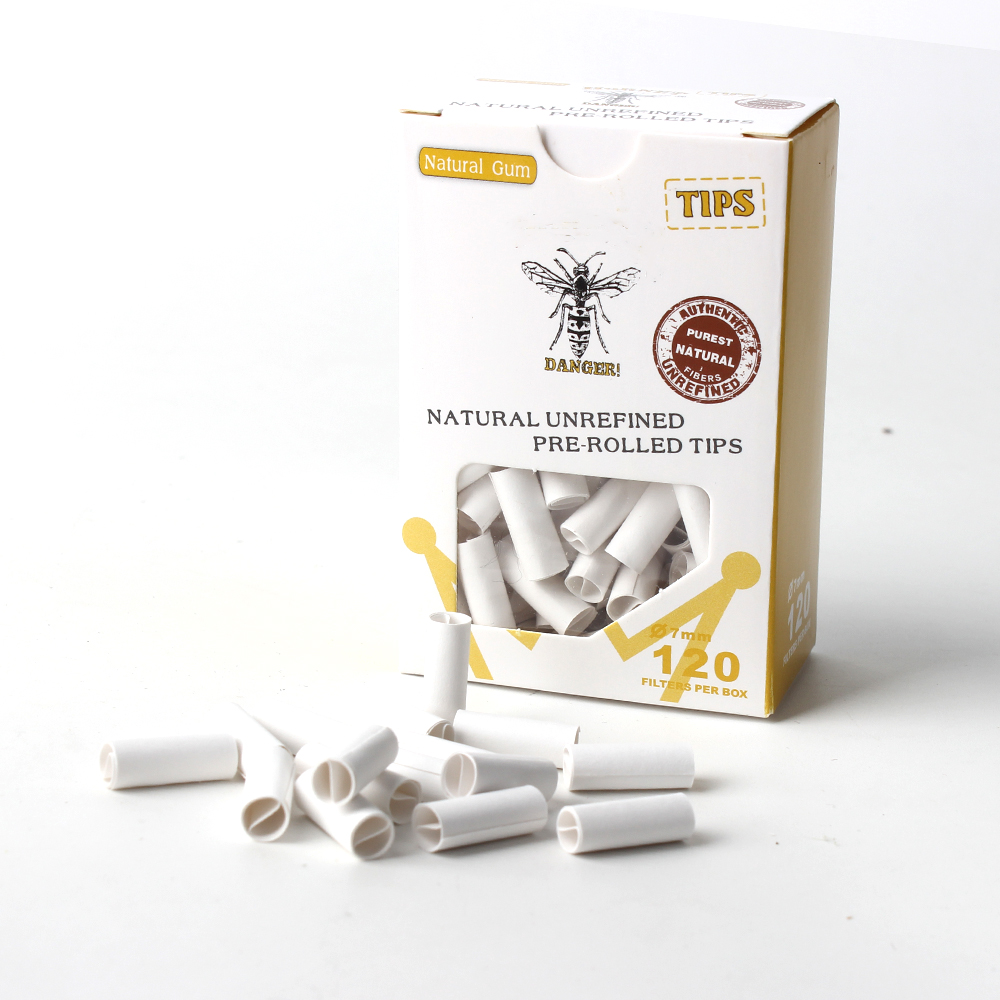
The material selection process for custom filters involves evaluating multiple factors including raw material sourcing, bleaching methods, chemical additives, filtration performance, and sustainability certifications. Brands that prioritize transparent material sourcing build stronger customer loyalty and differentiate themselves in competitive markets. This comprehensive guide explores how to evaluate and select materials for unbleached filter tips that align with your brand values and consumer expectations.
Unbleached filter tips begin with carefully selected cellulose fibers sourced from sustainably managed forests or recycled paper streams. Custom natural tips typically utilize virgin cellulose fibers that maintain their natural tan color without chemical bleaching processes. The choice between virgin and recycled fibers impacts both environmental footprint and product performance characteristics, requiring manufacturers to balance sustainability goals with filtration efficiency requirements.
Raw materials for custom filter tips must meet strict purity standards to ensure minimal contaminants and consistent quality across production batches. Suppliers of unbleached filter tips often implement rigorous testing protocols to verify fiber length, brightness consistency, and chemical residue levels. Partnering with certified suppliers of branded paper filters ensures traceability throughout the supply chain and compliance with international sustainability standards.
Natural cellulose fibers used in custom natural tips possess inherent properties that influence how filtration materials perform during final use. The molecular structure of unbleached cellulose maintains greater flexibility and porosity compared to heavily processed alternatives, affecting both draw resistance and particle retention. Understanding these fundamental differences helps brands make informed decisions about which unbleached filter tips best suit their target applications and consumer preferences.
Processed cellulose in branded paper filters undergoes mechanical refinement to optimize fiber distribution and porosity uniformity. This refinement process for custom filter tips ensures consistent performance across every unit produced, reducing variability that might otherwise frustrate end users. The balance between natural fiber characteristics and processing innovation determines whether custom natural tips deliver premium performance while maintaining ecological integrity.
Traditional filter material manufacturing relies on chlorine-based bleaching that introduces persistent chemical residues into the final product and environmental discharge streams. Unbleached filter tips eliminate this processing step entirely, reducing both chemical exposure and wastewater contamination associated with conventional custom filters. Brands selecting unbleached options signal commitment to eliminating unnecessary chemical inputs throughout their supply chain while maintaining product integrity.
Some manufacturers employ oxygen-based or mechanical bleaching alternatives when complete lack of bleaching proves incompatible with product specifications or aesthetic requirements. These gentler processing methods for branded paper filters preserve more of the natural fiber structure while achieving acceptable brightness levels for custom filter tips. Understanding available processing methodologies helps brands communicate genuine sustainability practices to environmentally conscious consumers without compromising on performance.
FSC (Forest Stewardship Council) certification represents one widely recognized standard for verifying sustainable forestry practices in materials used for custom natural tips. ISO 14001 environmental management certification demonstrates commitment to minimizing environmental impact across manufacturing operations that produce unbleached filter tips. Brands incorporating certified materials into custom filter tips build credibility with consumers who prioritize verified sustainability claims over unsubstantiated marketing language.
Third-party testing laboratories provide independent verification that manufactured unbleached filter tips meet declared specifications for chemical content, fiber composition, and environmental claims. This validation process becomes increasingly important as regulatory standards tighten around environmental marketing and product transparency. Branded paper filters accompanied by verifiable certifications command premium positioning and attract quality-conscious consumers willing to invest in genuinely sustainable products.
Custom filter tips manufactured from unbleached materials demonstrate consistent filtration performance when porosity and fiber density align with application requirements. Draw resistance—the ease with which users draw through the filter—depends heavily on fiber diameter, packing density, and overall material thickness decisions made during custom natural tips engineering. Manufacturers must conduct rigorous testing to ensure unbleached filter tips deliver acceptable draw characteristics while maintaining adequate particle filtration capacity.
Performance testing for custom filters involves measuring air flow resistance, particle capture efficiency, and material integrity under simulated use conditions. The relationship between material density and filtration effectiveness requires balancing competing demands: adequate particle retention necessitates adequate material density, while excessive density creates uncomfortable draw resistance. Selecting unbleached filter tips requires evaluating these trade-offs through empirical testing rather than assumptions about natural material performance.
The natural tan or cream coloration of unbleached filter tips appeals to consumers seeking authentic eco-friendly products without artificial whitening treatments. Branded paper filters featuring this natural appearance communicate transparency and environmental commitment more effectively than chemically brightened alternatives. Custom filter tips with consistent natural coloring build brand recognition and reinforce positioning as genuinely sustainable products rather than conventionally manufactured goods with minimal environmental modifications.
Customization options for unbleached filter tips include printed branding, colored fibers, and specialized adhesive treatments that enhance brand visibility while maintaining ecological integrity. Manufacturers must verify that customization processes don't introduce unnecessary chemicals or compromise the sustainability advantages of selecting unbleached materials initially. Well-executed custom natural tips branding transforms functional components into marketing assets that reinforce brand values during consumer use.
Unbleached filter tips skip chemical bleaching processes entirely, maintaining natural cellulose coloration and eliminating persistent chemical residues. Standard custom filters often undergo chlorine or oxygen bleaching to achieve bright white appearance, introducing processing chemicals and increasing environmental footprint. This fundamental difference in manufacturing approach allows unbleached options to deliver measurably lower environmental impact without sacrificing filtration performance or user experience.
Request documentation including FSC certification, ISO 14001 compliance, and third-party testing reports from manufacturers of custom natural tips. Legitimate suppliers provide transparent supply chain information and verifiable certifications rather than unsubstantiated environmental claims. Direct manufacturer communication about material sourcing, processing methods, and testing protocols reveals whether their unbleached filter tips truly meet your sustainability requirements or merely market eco-friendly positioning.
Yes, modern manufacturing processes ensure that custom natural tips deliver consistent performance by carefully controlling fiber selection, processing parameters, and quality testing protocols. Advanced equipment monitors porosity, density, and material characteristics throughout production, maintaining specifications comparable to or exceeding conventional custom filters. Reputable manufacturers invest in rigorous quality assurance systems that prove unbleached filter tips match performance standards expected from premium products.