EN
EN

optimizing-leaf-count-and-interleaving-for-custom-rolling-paper-booklets, optimizing-leaf-count-and-interleaving-for-custom-rolling-paper-booklets, /news
EN
2026/09/17
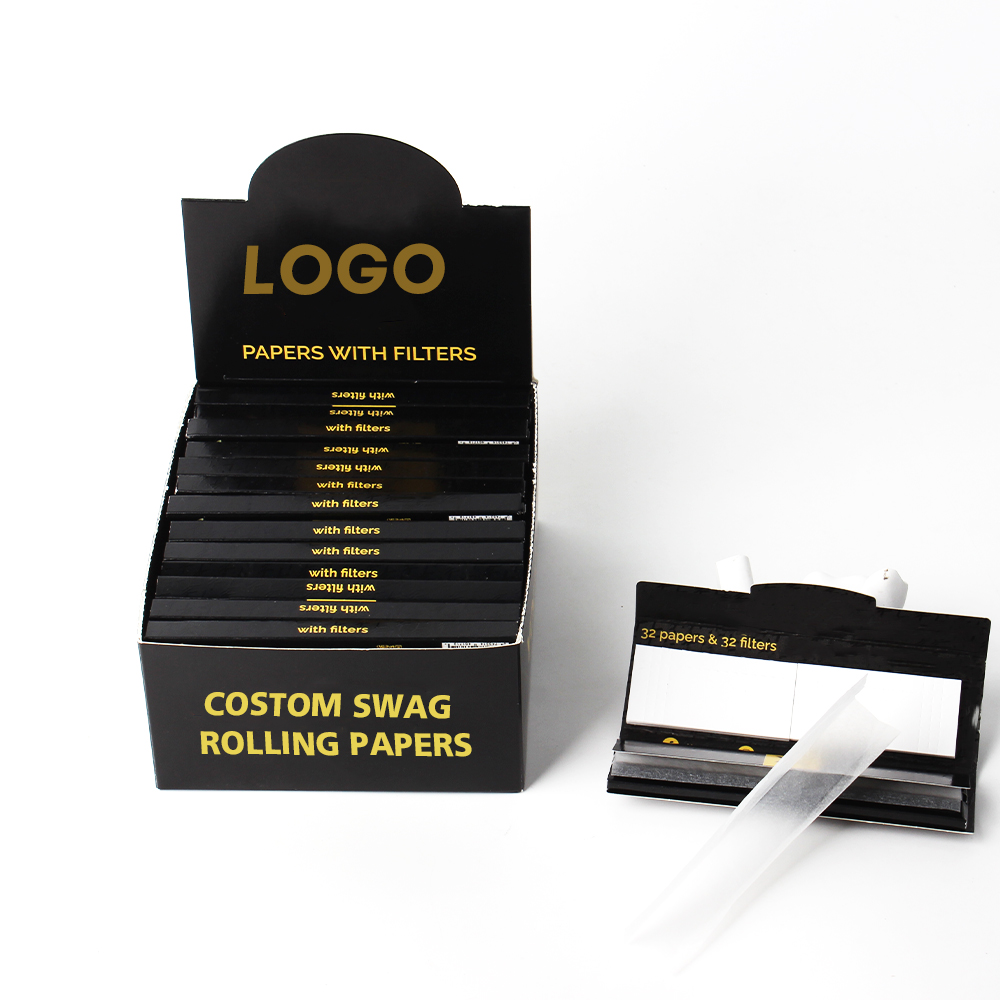
When creating custom rolling papers, understanding how to optimize leaf count and interleaving directly impacts user experience, production efficiency, and brand perception. The custom leaf count you select determines both the functional value of your branded paper product and its cost structure. Whether you're designing promotional items, developing a retail product line, or creating personalized booklet capacity solutions, the technical decisions around leaf configuration matter significantly to your bottom line and customer satisfaction.
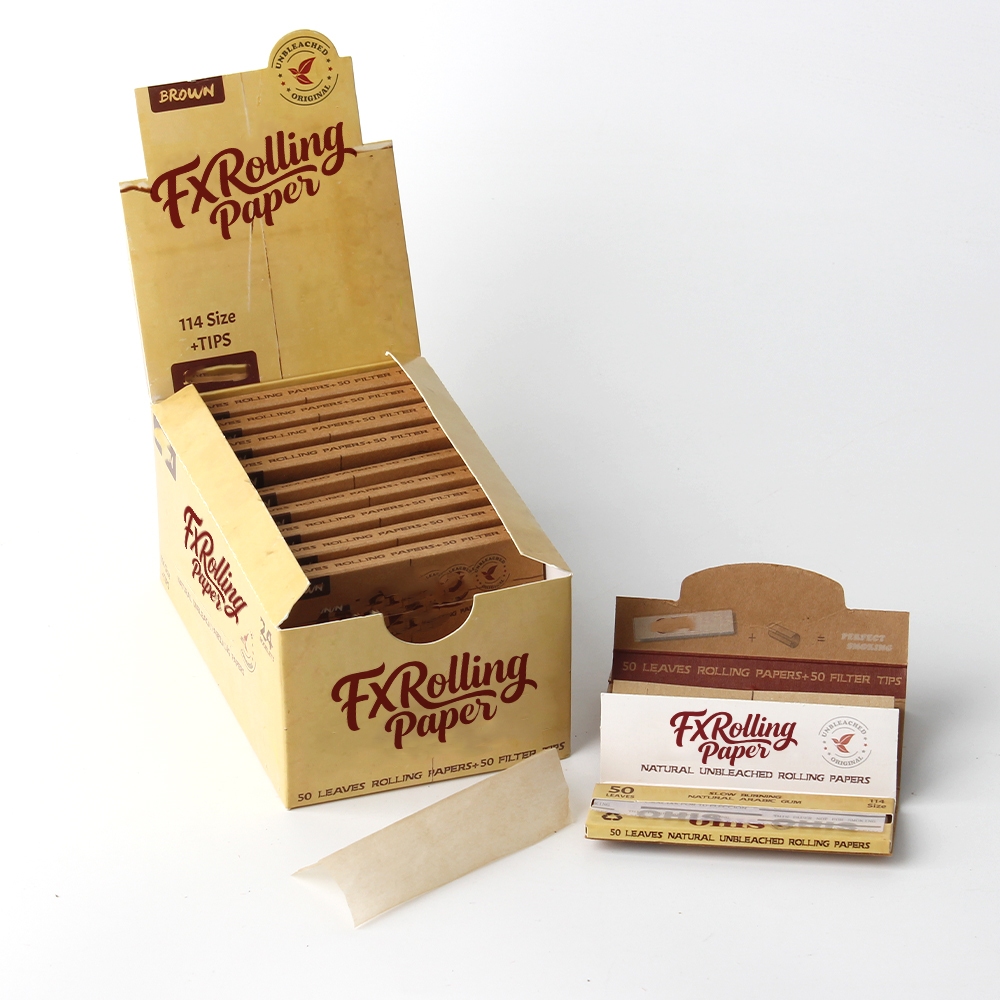
Custom rolling papers represent a premium segment of the tobacco accessories market where differentiation happens through quality materials, visual design, and practical specifications. The personalized booklet capacity you choose affects how your end users perceive value, how often they repurchase, and whether your branded paper stands out on retail shelves or in online catalogs. Optimizing leaf count requires balancing user demand, production feasibility, packaging constraints, and market positioning to create a product that performs commercially while delivering genuine utility.
Custom leaf count refers to the total number of individual papers included in a single booklet of custom rolling papers. Standard configurations typically range from 30 to 100 leaves per booklet, though custom specifications can extend beyond these norms. The custom leaf count directly influences the perceived value proposition: a booklet with 50 leaves provides approximately double the utility of a 25-leaf booklet, which affects customer acquisition cost and lifetime value metrics. When developing branded paper products, manufacturers must evaluate whether higher leaf counts justify the increased material costs and whether your target market actually demands larger booklet sizes.
Interleaving refers to the thin tissue or glassine separators placed between leaves to prevent sticking and preserve product integrity during storage and transport. The personalized booklet capacity depends on both the leaf quantity and interleaving thickness; a 70-leaf booklet with premium interleaving occupies more physical space than an 80-leaf configuration with minimal separation. Custom rolling papers with advanced interleaving designs improve user experience by making individual papers easier to extract, reducing waste, and extending shelf life. This seemingly minor specification becomes a major differentiator when your branded paper competes against mass-market alternatives that prioritize cost over functionality.
Research in the custom rolling papers segment shows that consumer preferences cluster around specific booklet sizes based on usage patterns and purchasing frequency. Heavy users prefer larger custom leaf count configurations (60-100 leaves) because they reduce repurchase frequency and offer better unit economics. Casual users or price-sensitive segments often select smaller personalized booklet capacity options (25-40 leaves) that fit budget constraints and accommodate experimentation. Your branded paper product positioning determines which leaf count sweet spot maximizes revenue: premium brands often compete on quality and convenience by offering larger formats, while value brands optimize margins through smaller, more affordable booklet sizes.
The custom leaf count you select influences packaging design, shipping weight, inventory turnover, and production line efficiency. Booklets with 50 leaves per unit represent a common industry standard that balances manufacturing automation with market demand, making this personalized booklet capacity relatively efficient to produce at scale. However, custom rolling papers with unusual leaf counts (like 47 or 73) require special die-cutting specifications, potentially increasing unit costs by 5-15 percent unless your volume justifies dedicated tooling. When optimizing branded paper production, evaluate whether custom leaf count variations create genuine market value or merely complicate your supply chain without corresponding revenue uplift.
The quality of custom rolling papers depends not only on custom leaf count but also on the base paper weight, fiber composition, and burn characteristics. Premium branded paper products typically use thinner, more consistent paper stocks that allow higher leaf counts within the same physical booklet dimensions. Conversely, thicker or lower-quality paper stocks require reduced custom leaf count to maintain acceptable booklet thickness and portability. This technical relationship means your personalized booklet capacity decisions should integrate closely with material sourcing—upgrading to superior paper stock might enable you to increase leaf count without proportional booklet size increases, enhancing perceived value.
Custom rolling papers must fit into standard packaging formats that consumers recognize and retail environments accommodate. The personalized booklet capacity interacts with box dimensions, shelf space allocation, and shipping efficiency; a booklet configured for 50 leaves typically optimizes for standard retail packaging that holds 50 booklets per case. When designing branded paper products, verify that your custom leaf count selection aligns with existing packaging infrastructure—choosing unusual dimensions can multiply cardboard waste and shipping costs while offering minimal functional benefit. The final unboxing experience matters; consumer perception of your custom rolling papers improves when booklets feel substantial yet portable, requiring thoughtful calibration between custom leaf count and booklet thickness.
Custom leaf count directly determines material costs, and this relationship informs pricing strategy for your branded paper. A booklet with 60 leaves costs approximately 40 percent more to produce than a 40-leaf configuration due to increased paper material and interleaving. Retailers and consumers expect price increases proportional to leaf count increases, but the relationship is not always linear—custom rolling papers with 50 leaves might command a 25 percent price premium over 35-leaf booklets while costing only 15-20 percent more to produce, creating margin opportunity. Optimizing this balance requires understanding your personalized booklet capacity demand curve and competitive positioning in the branded paper segment.
The ideal custom leaf count depends on your target customer segment and usage patterns within the custom rolling papers market. Heavy users typically prefer personalized booklet capacity in the 70-100 leaf range because it reduces repurchase frequency and offers convenience value that justifies premium pricing. Light to moderate users often select 40-60 leaf booklets as a balanced option. For branded paper products competing on value, configurations of 25-40 leaves maximize unit sales volume and reach price-sensitive consumers. Data from the industry suggests that 50 leaves represents the commercial sweet spot for many brands, offering sufficient personalization options while maintaining production efficiency and market appeal.
Yes, custom rolling papers with higher custom leaf count configurations can command 20-40 percent price premiums when your branded paper demonstrates equivalent or superior quality compared to standard alternatives. Retailers value higher-leaf-count products because they generate greater customer satisfaction and reduce return rates associated with rapid depletion of small booklets. Personalized booklet capacity messaging—specifically highlighting leaf count advantages—influences purchase decisions, particularly among consumers who recognize that buying larger booklets reduces total cost per leaf. However, premium pricing requires that your custom rolling papers clearly demonstrate quality advantages through visible elements like superior paper finish, consistent gumming, and refined interleaving that justify the higher per-unit cost.