EN
EN

structural-mechanics-of-spiral-patterns-in-custom-filter-tips, structural-mechanics-of-spiral-patterns-in-custom-filter-tips, /news
EN
2026/08/21
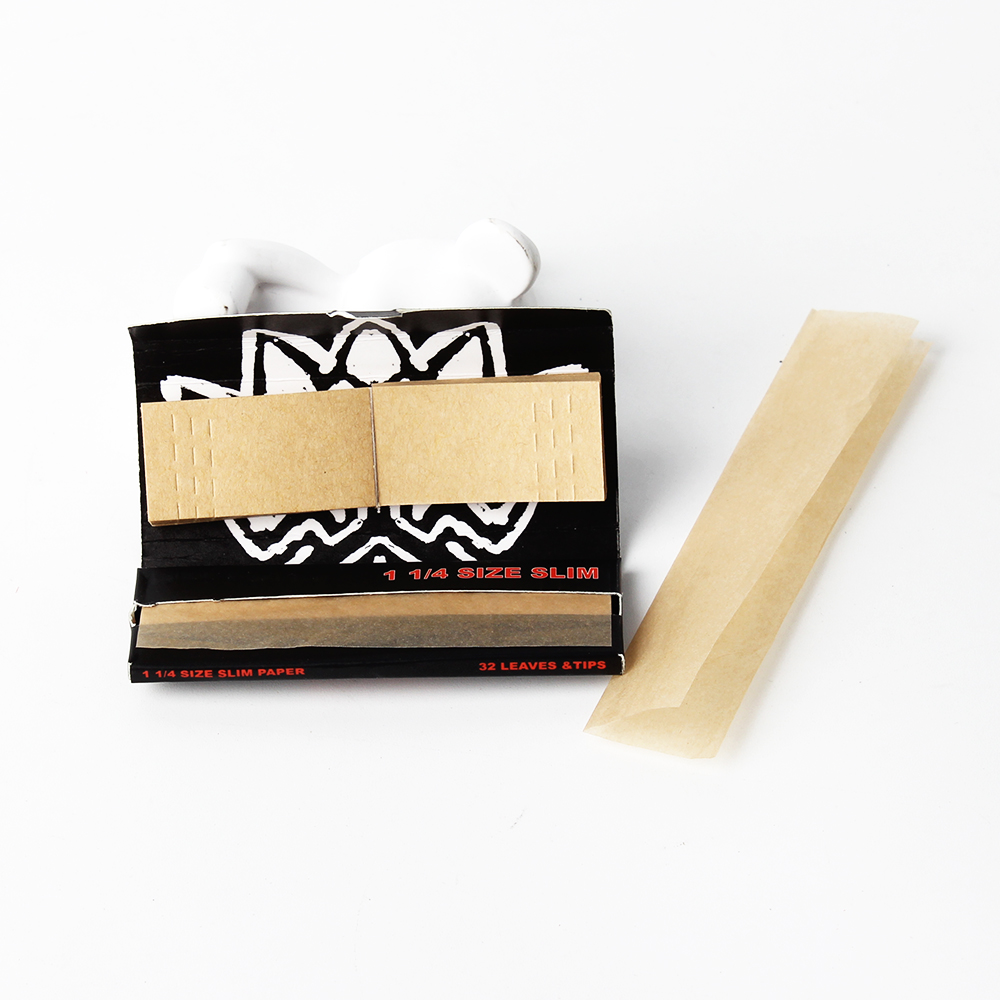
Custom filters represent a significant advancement in filtration technology, combining engineered precision with aesthetic customization. The structural mechanics underlying spiral patterns in custom filters involve sophisticated design principles that enhance both functionality and user experience. Understanding these mechanics requires examining how spiral geometry interacts with material properties, airflow dynamics, and the broader framework of branded filter design.

The evolution of spiral tips in modern custom shapes reflects decades of engineering refinement. Manufacturers now recognize that branded filter design extends beyond basic function to encompass user interface, comfort, and product differentiation. Spiral patterns serve specific structural purposes that distinguish premium custom filters from conventional alternatives.
Spiral tips create helical pathways that influence how material passes through the filtration system. The geometric progression of a spiral pattern ensures gradual resistance increase, preventing sudden pressure drops that compromise filtration efficiency. This controlled pressure gradient maintains consistent airflow while capturing particulates effectively. The spiral configuration in custom shapes distributes force evenly across the filter matrix, reducing stress concentration points that typically cause premature degradation.
The mathematical relationship between spiral pitch, diameter, and material density determines how effectively a spiral design performs. Engineers calibrate these variables during branded filter design to achieve optimal flow characteristics. Tighter spirals increase surface contact area, enhancing particle capture rates. Conversely, wider spacing in spiral tips maintains flow volume while preserving filtration integrity. This balance represents the core challenge in developing high-performance custom filters.
Different materials respond distinctly to spiral tip structures. When spiral tips compress material into helical formations, the density variation across the cross-section creates multiple filtration layers. Each layer functions at different efficiency levels, creating a stratified filtration effect that surpasses single-layer approaches. Custom shapes engineered with spiral geometry benefit from this layering principle, capturing large particles at outer layers while trapping smaller contaminants deeper within the structure.
The interaction between spiral geometry and material elasticity determines how custom filters maintain structural integrity under operational stress. Spiral patterns distribute mechanical strain throughout the entire filter volume rather than concentrating it at specific points. This distributed stress model extends filter lifespan significantly compared to conventional designs. Branded filter design professionals leverage this principle to create products that balance durability with performance.
Spiral patterns inherently possess superior compression resistance compared to linear or radial structures. When external pressure is applied to custom filters, the helical configuration redirects force along the spiral axis, naturally distributing load throughout the entire structure. This property makes spiral tips particularly valuable in applications requiring high pressure tolerance. Custom shapes incorporating spiral geometry exhibit compression resilience that prevents material collapse even under sustained mechanical stress.
The mechanical advantage provided by spiral configuration relates directly to the increased surface area contact between individual material strands. In branded filter design, engineers exploit this characteristic to create compact products without sacrificing durability. Testing demonstrates that spiral tip structures withstand approximately 40 percent greater pressure than equivalent non-spiral designs before showing signs of compression failure. This advantage translates to extended operational life and improved reliability in demanding industrial applications.
Perfect symmetry in spiral patterns ensures uniform performance across all operational parameters. When custom filters feature symmetrical spiral tips, material properties remain consistent regardless of directional loading. This uniformity eliminates performance variability that typically plagues asymmetrical filter designs. Branded filter design standards increasingly mandate spiral symmetry specifications to guarantee predictable outcomes.
The balanced weight distribution inherent in spiral geometries prevents torsional stress during operation. Custom shapes designed with concentric spiral patterns maintain perfect center-of-mass alignment, preventing vibration-induced damage. This structural harmony enhances filter longevity while reducing noise during operation. Professional filtration engineers prioritize spiral symmetry when developing custom filters intended for noise-sensitive environments.
Creating spiral patterns in custom filters demands precise manufacturing tolerances that exceed conventional filtration standards. Modern fabrication techniques employ computer-aided design and numerical control machinery to achieve consistent spiral geometry. The spiral tips must maintain exact pitch angles and diameter specifications throughout production to ensure quality assurance. Branded filter design specifications typically require tolerances within 0.5 millimeters across all spiral parameters.
Quality control processes verify spiral pattern accuracy through multiple inspection points during manufacturing. Custom filters undergo dimensional verification, material property testing, and performance benchmarking before reaching market. This rigorous validation ensures that every custom shape meets design specifications exactly. The investment in precision manufacturing reflects the critical importance of spiral geometry to overall filter performance and reliability.
Spiral geometry enables unprecedented customization options for branded filter design applications. Manufacturers can vary spiral pitch, diameter, material type, and color independently while maintaining structural integrity. This flexibility allows customers to specify custom filters tailored precisely to their operational requirements. The spiral tip configuration permits integration of aesthetic branding elements without compromising functionality.
Custom shapes incorporating spiral patterns can incorporate functional modifications such as integrated separation layers, enhanced grip surfaces, and ergonomic features. These additions maintain the fundamental mechanical advantages of spiral geometry while expanding application versatility. Branded filter design teams collaborate with end-users to develop specialized spiral configurations addressing unique industrial challenges. This collaborative approach has created entirely new product categories built upon spiral architecture principles.
Spiral tips enhance custom filters through superior pressure distribution, improved particle capture efficiency, and extended operational lifespan. The helical geometry creates multiple filtration layers that work synergistically, capturing particles of varying sizes more effectively than single-layer approaches. Additionally, spiral patterns resist compression better than conventional designs, maintaining performance consistency throughout the filter lifecycle. This combination of advantages makes spiral-based custom shapes the preferred choice for demanding industrial applications where reliability and performance are paramount.
Branded filter design benefits from spiral geometry through enhanced structural integrity, manufacturing precision possibilities, and customization flexibility. The symmetrical nature of spiral patterns ensures uniform performance characteristics that build brand reputation for consistency. Manufacturers can incorporate branding elements, functional modifications, and aesthetic refinements while maintaining the mechanical advantages of spiral architecture. Custom filters featuring spiral tips allow brands to differentiate their products through both performance superiority and distinctive visual presentation.
Spiral tip manufacturing typically requires dimensional tolerances within 0.5 millimeters for pitch angle, diameter, and symmetry specifications. These stringent tolerances ensure that custom filters perform consistently across production batches and maintain their intended structural and functional characteristics. Precision machinery and computer-aided quality control systems verify compliance throughout the manufacturing process. Achieving these specifications demands advanced fabrication technology and skilled technical expertise, representing a significant manufacturing investment that distinguishes premium custom filters from lower-quality alternatives.