EN
EN
what-specifications-to-confirm-before-ordering-preroll-cones-with-filter-tips, what-specifications-to-confirm-before-ordering-preroll-cones-with-filter-tips, /news
EN
2026/08/18
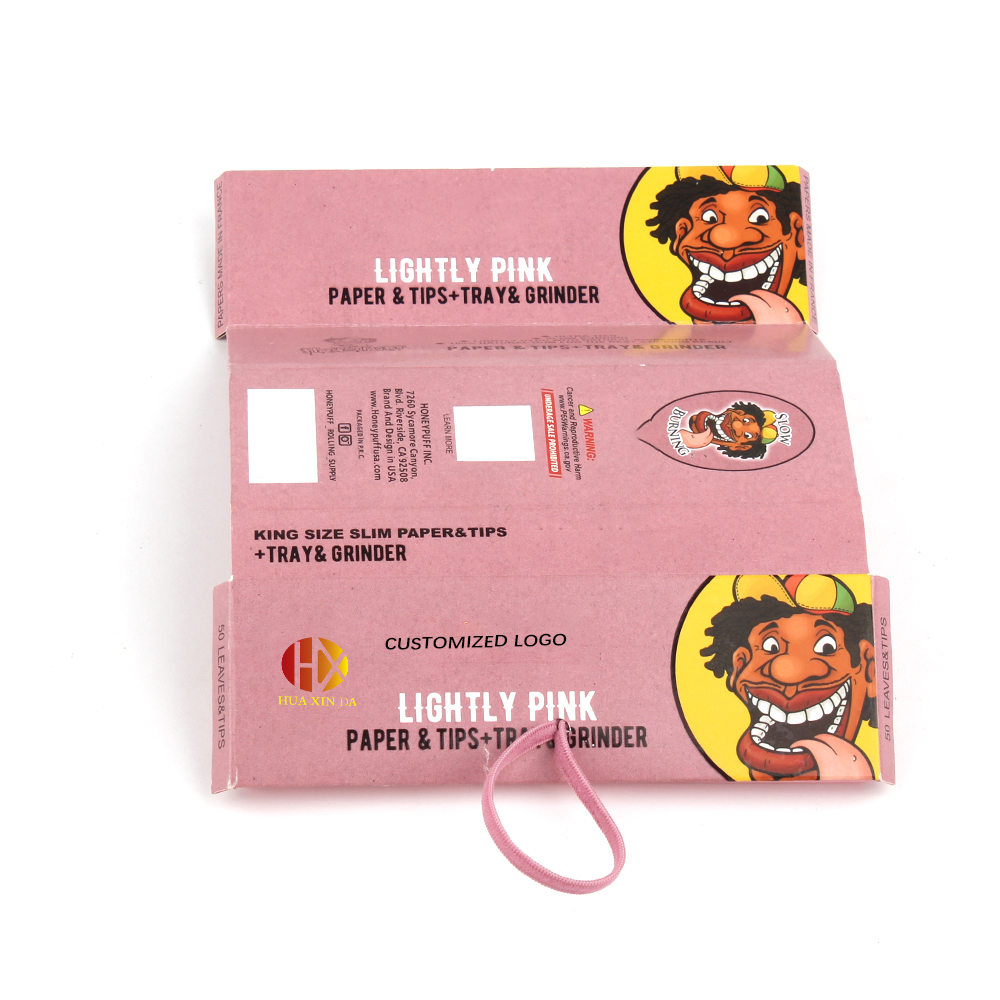
Ordering pre roll cones with filter tips supplier requires careful attention to multiple technical and operational specifications. Before placing any order, understanding the exact requirements ensures you receive products that match your production standards, customer expectations, and business workflows. This comprehensive guide walks you through the critical specifications you must confirm with your supplier to avoid costly mistakes, production delays, and quality inconsistencies.
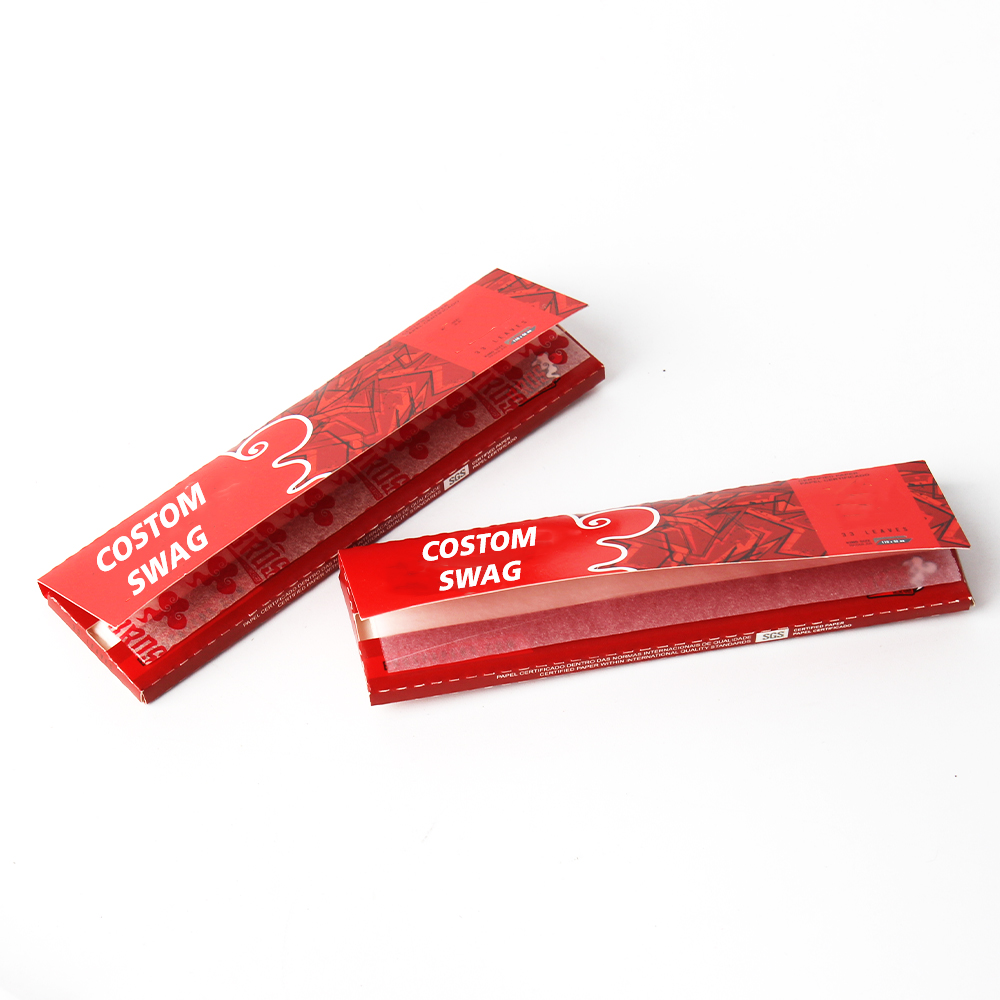
The difference between a reliable ordering experience and a problematic one often comes down to specification clarity. Suppliers vary significantly in how they interpret requirements, and miscommunication at the ordering stage leads to wasted inventory, customer dissatisfaction, and operational friction. By systematically confirming each specification category before committing to purchase, you protect your business while building a stronger supplier relationship based on precision and transparency.
Cone dimensions form the foundation of your order. You must confirm the exact length of the cone from tip to end, typically measured in millimeters. Standard cone dimensions vary widely in the market, ranging from 70mm to 140mm or longer depending on market segment and customer preference. Additionally, specify the diameter at the widest point and whether the cone maintains a consistent taper throughout its length. Material composition matters equally, as some suppliers offer cellulose, organic hemp, or specialized blends that affect burn rate, flavor impact, and customer satisfaction. Request detailed cone dimensions documentation from your pre roll cones with filter tips supplier that includes tolerances, meaning the acceptable variation range for each measurement. Tight tolerances ensure consistency across batches, while loose tolerances create variability that frustrates end users.
The weight of individual cones directly impacts how much product they hold and how they perform in use. Lightweight cones may feel flimsy or compromise structural integrity during filling. Heavier cones can feel premium but may cost more. Ask your supplier for the exact weight per cone and the density of the paper material used. This specification often gets overlooked but significantly affects user experience and production efficiency during the filling and finishing process. Suppliers should provide these metrics in grams or milligrams with documented quality variance standards.
Filter specs represent a major differentiator among suppliers. The filter tip material determines draw resistance, durability, and perceived quality. Common options include cellulose acetate, paper-based filters, and advanced fiber composites. Request detailed information about what your supplier uses, including whether the filter material is biodegradable, food-grade approved, or carries any certifications relevant to your market. Filter specs should also specify the filter's dimensional details: length, diameter, and thickness. A properly sized filter prevents product from falling through while maintaining optimal draw resistance that customers expect. Ask for data sheets that outline the exact composition, manufacturing origin, and any quality certifications the filter meets.
Draw resistance, measured in terms of air flow or pressure drop, affects how easily users can draw from the cone. If filter specs allow too much airflow, product burns too quickly. Excessive resistance frustrates users and damages brand perception. Request that your supplier specify the draw resistance standard they use and confirm it matches your target market's expectations. Additionally, verify that the filter adheres securely to the cone throughout normal use and doesn't separate or deteriorate prematurely. Structural integrity tests conducted by your supplier provide confidence that filters remain intact during shipping, storage, and customer handling.
Pack quantity specifications determine how cones arrive and how you manage inventory. Suppliers typically offer pack quantity options such as 50, 100, 500, or 1000 cones per package. Confirm whether you need standard packing or if your business model requires custom bulk quantities. Understanding pack quantity minimums prevents overstock situations or frequent small orders that inflate per-unit costs. Ask about volume-based pricing tiers so you can model the financial impact of different pack quantity levels. Additionally, confirm whether the supplier bundles filter tips with the cones in each pack or if you purchase them separately, which affects your overall cost structure and logistics planning.
Many suppliers offer custom options to differentiate your product in the market. These might include branded printing on the cone paper, custom cone dimensions tailored to your specifications, color variations beyond standard white or natural, or specialty filter materials. If custom options interest you, request detailed specifications about design files required, minimum order quantities for custom runs, lead times, and pricing premiums. Branded cones command higher prices but strengthen customer recognition and brand loyalty. Clarify which custom options your supplier supports, their exact process, and whether they maintain inventory of your custom specifications between orders or require full manufacturing runs each time you order.
Before confirming any order, understand your supplier's quality assurance processes. Request information about how they test cone dimensions consistency, filter adhesion reliability, burn rate uniformity, and structural durability. Quality assurance documentation might include batch test reports, statistical process control charts, or third-party certifications. Ask whether the supplier maintains sample batches from each production run that you can request for verification. This documentation becomes invaluable if you need to troubleshoot issues or validate claims after receiving product. Suppliers operating under ISO standards or equivalent quality systems typically maintain more rigorous records than those without formal certification.
Depending on your target market, regulatory requirements and compliance standards may apply. Some regions require food-grade materials, organic certifications, or sustainability credentials. Verify that your supplier's cones and filter materials meet applicable regulations in your jurisdiction and comply with any industry standards your customers expect. Request certificates of compliance or material safety data sheets for all components used. This verification protects your business from legal exposure and ensures you can confidently market your products without compliance risk.
Most commercial pre-roll production uses cones ranging from 100mm to 125mm in length with diameters of 19mm to 22mm at the widest point. However, your specific cone dimensions depend on your target market preferences, production equipment capabilities, and product positioning. Confirm with your supplier what dimensions they recommend for your production volume and market segment before ordering.
Request sample batches from your supplier that you can test for draw resistance, structural integrity, and filter adhesion. Request that they document their filter specs testing process and provide batch reports showing compliance with their stated standards. You can also conduct third-party testing if quality verification becomes critical to your business.
Most suppliers offer sample orders or smaller pack quantity minimums for first-time customers. Discuss trial order options with your supplier before committing to large volume orders. This allows you to verify product quality, cone dimensions accuracy, and overall reliability before scaling up your commitment.