EN
EN
why-perforation-lines-improve-folding-accuracy-in-custom-filter-tips, why-perforation-lines-improve-folding-accuracy-in-custom-filter-tips, /news
EN
2026/09/07
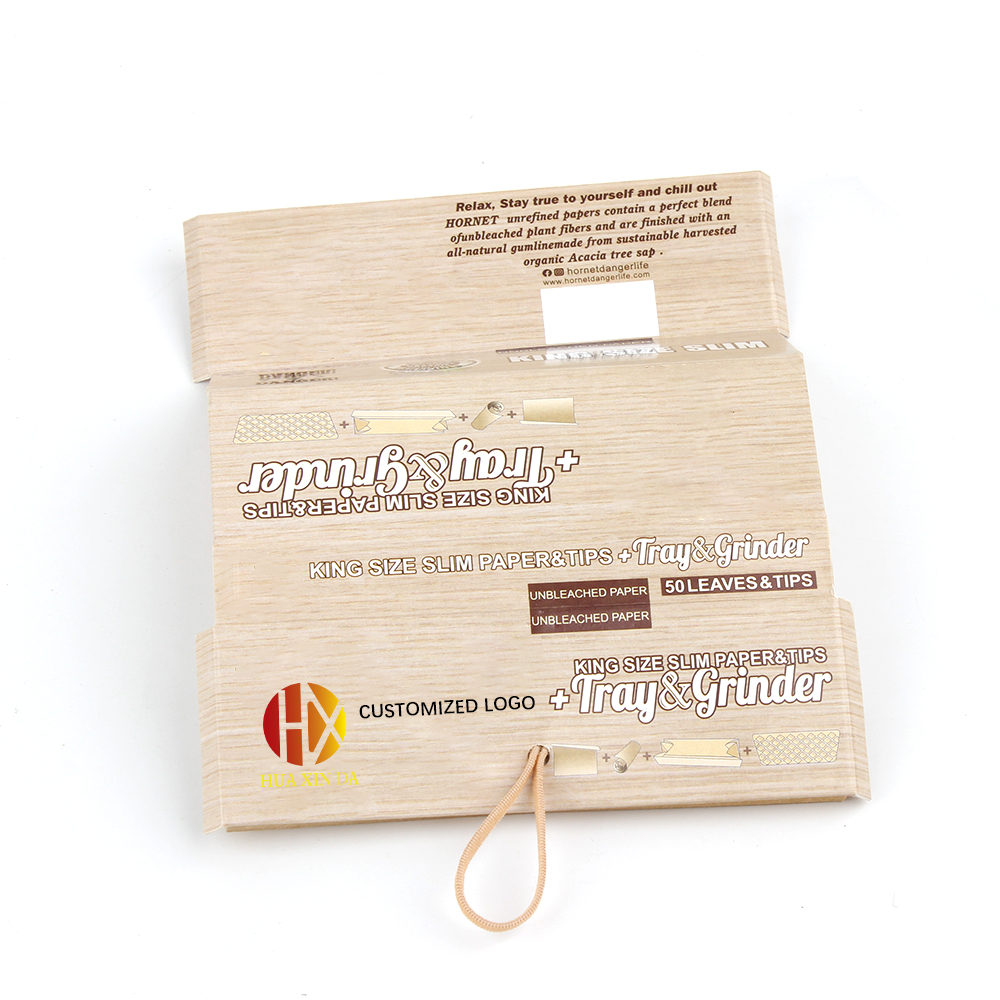
Precision in rolling accessories starts with understanding how small design details make significant performance differences. Perforation lines in custom filters represent one of the most underappreciated innovations in the rolling industry, directly influencing fold consistency and user experience. When you use custom filter tips with strategically placed perforation lines, you gain control over exactly where and how the material bends, eliminating unpredictable creasing and ensuring uniform results every single time.
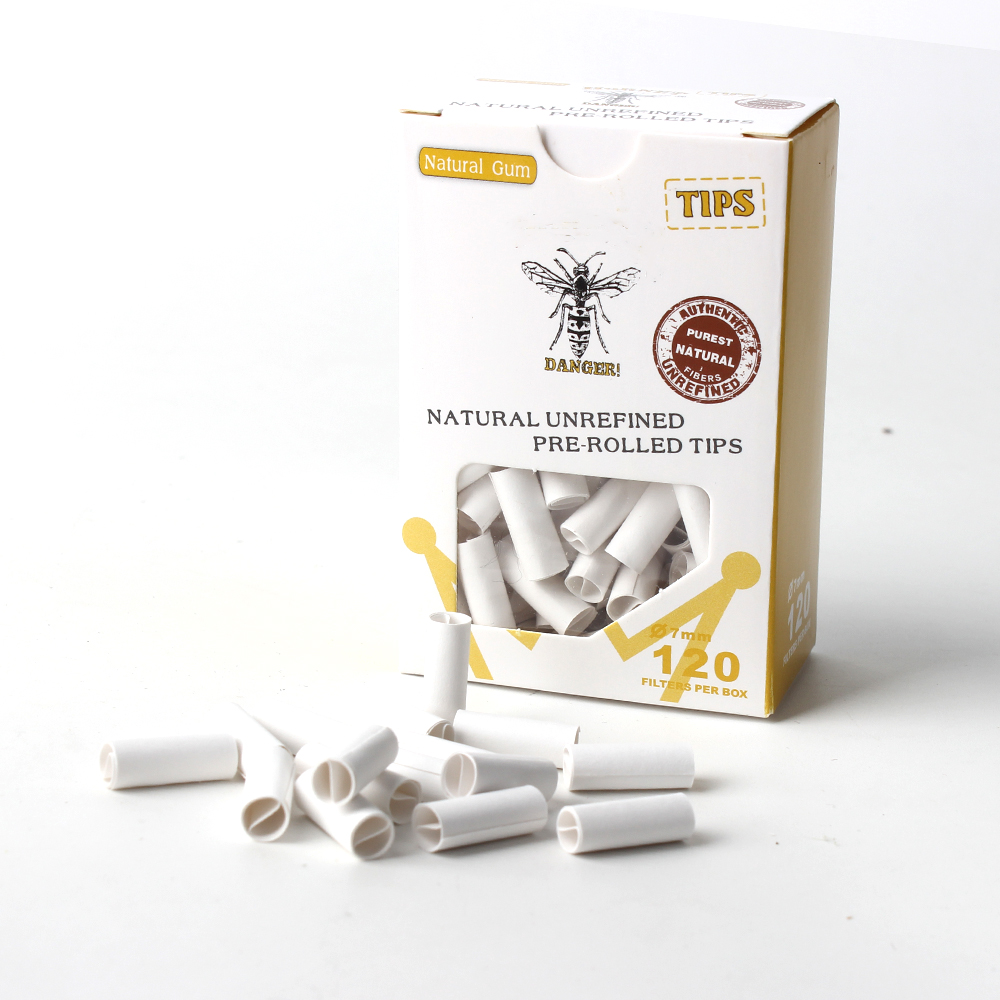
The relationship between perforated tips and folding accuracy isn't accidental—it's rooted in material science and mechanical engineering. Perforated tips guide stress concentration along predetermined paths, preventing the random tearing and uneven folds that plague inferior rolling accessories. Whether you're manufacturing for personal use or operating a commercial rolling operation, understanding this mechanism helps you select the right custom filter tips that deliver consistent quality and reduce waste.
Perforation lines function as engineered stress guides within custom filter tips. When you fold or roll material against a perforated surface, the tiny perforations create microscopic anchoring points that prevent the material from sliding unpredictably during the folding process. This mechanical anchoring eliminates the guesswork from manual rolling, ensuring that every fold occurs at the exact intended location. The precision of perforated tips becomes especially valuable in high-volume production environments where consistency directly impacts product quality and customer satisfaction.
Custom filter tips with perforation lines leverage material science principles that control how stress distributes across the rolling surface. The spacing and diameter of perforations in stiff tips determine the flexibility and rigidity balance, allowing the material to bend smoothly without unexpected creasing or splitting. Engineers design these perforation patterns to accommodate various material thicknesses and folding angles, making stiff tips adaptable across different rolling accessories applications. The result is a product that performs reliably regardless of user technique or environmental conditions.
One of the most critical advantages of using perforated tips in custom filter tips is achieving consistent fold positioning across every use. Traditional unperforated rolling accessories produce variable results because the material folds wherever stress concentration happens to occur naturally. Perforated tips eliminate this variability by providing predetermined fold lines that guide the material into exact configurations. This consistency translates directly to reduced waste, improved final product appearance, and higher customer satisfaction when you rely on stiff tips designed with precision perforation patterns.
Incorrect folding represents a significant source of material waste in rolling operations. When custom filter tips lack proper perforation guidance, materials often tear, crease incorrectly, or require rework, multiplying production costs. Perforated tips virtually eliminate these errors by controlling exactly where folds occur, meaning nearly every fold succeeds on the first attempt. This waste reduction directly improves your operational profitability, especially in commercial environments where material costs accumulate quickly. The investment in quality custom filters with perforation lines pays for itself through reduced scrap and rework expenses.
Effective perforation line design in custom filter tips requires precise engineering specifications. The perforation diameter, spacing, and depth must align with the specific material thickness and folding angle you're working with. Stiff tips typically use tighter perforation spacing to accommodate the material's natural rigidity, while more flexible rolling accessories use wider spacing for gentler guidance. When selecting custom filters for your operation, verify that the perforation design specifications match your material and folding requirements, ensuring maximum accuracy and performance across every production cycle.
Perforated tips integrate seamlessly into modern rolling accessories ecosystems, working with various material types and folding mechanisms. The perforation lines in custom filter tips complement automatic rolling equipment by providing consistent resistance and guidance that mechanical systems rely on for precision operation. Whether your rolling accessories involve manual techniques or automated machinery, perforated tips enhance overall system performance by eliminating inconsistencies that downstream equipment must otherwise compensate for. This integration makes stiff tips with perforation lines an essential component of any professional rolling operation seeking maximum accuracy and efficiency.
Perforated tips guide folds along predetermined lines, eliminating unpredictable creasing and ensuring consistent results. Custom filter tips with perforation lines reduce material waste and rework compared to unperforated alternatives. The precision control offered by perforated tips translates directly to higher quality output and lower production costs, making them superior for any rolling operation prioritizing accuracy and consistency.
Yes, quality custom filters are engineered to accommodate various material thickness levels and folding angles through carefully calibrated perforation patterns. The key is matching the perforation specification to your specific material properties and folding requirements. Most professional rolling accessories manufacturers provide custom filter tips optimized for common material types, ensuring reliable performance across diverse production applications.
Perforated tips minimize folding errors and material waste, reducing rework and scrap costs significantly. Because custom filter tips guide folds automatically, operators achieve correct results consistently on the first attempt, eliminating time spent correcting mistakes. This efficiency improvement in rolling accessories directly reduces labor costs and material expenses, providing measurable return on investment through improved operational performance.