EN
EN

EN
2026/09/24
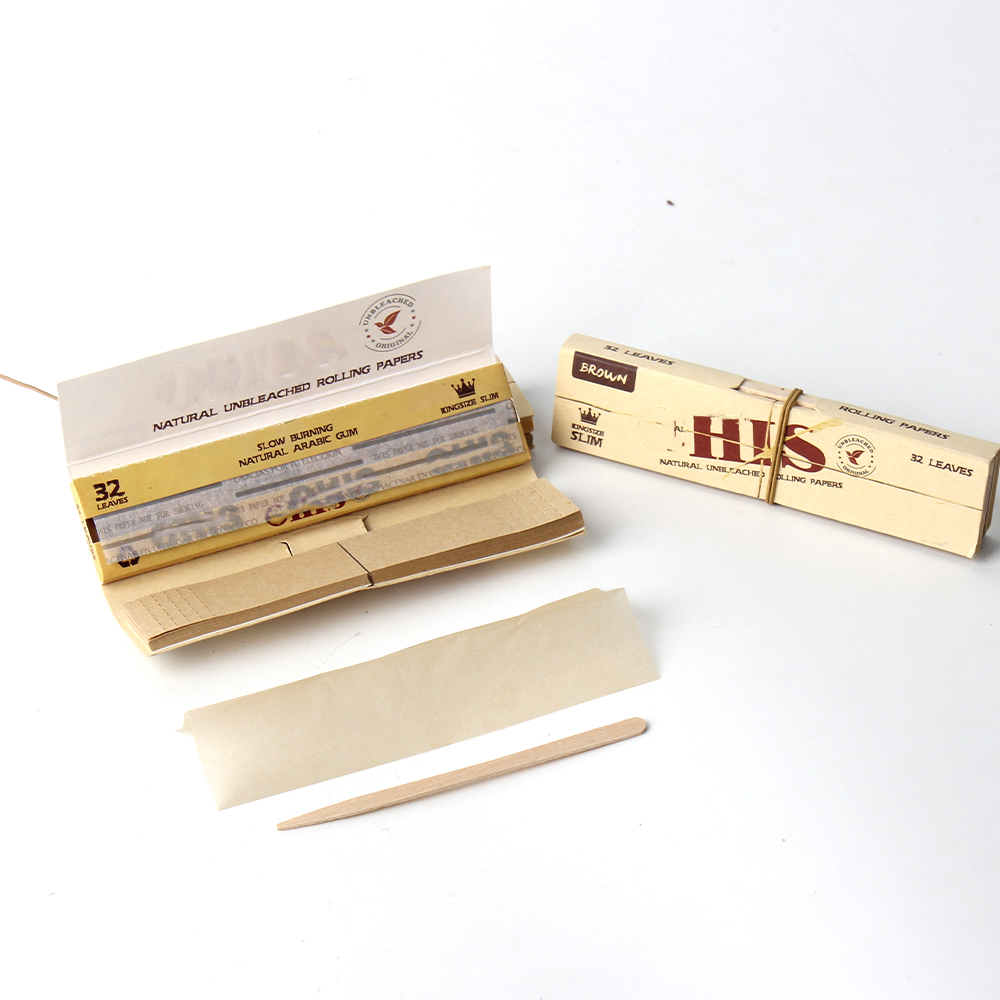
Off-odor contamination in pre roll cones represents a critical quality challenge that directly impacts consumer satisfaction and brand reputation. When manufacturers fail to properly assess the odor risk present in their materials, they expose their entire product line to potential failure at the retail and consumer level. Understanding how to identify and measure off-odor risk in pre roll cones requires a systematic approach to material evaluation, supplier assessment, and quality control protocols that go far beyond visual inspection alone.
The origins of off-odor in pre roll cones stem from multiple sources including improper natural fiber selection, inadequate paper quality specifications, and weak material sourcing practices. Manufacturers who invest time in comprehensive odor risk assessment establish competitive advantages by delivering consistently clean products that meet consumer expectations and regulatory requirements. This assessment process involves understanding the complete supply chain, testing methodologies, and preventive measures that eliminate odor problems before they reach end users.
The foundation of effective odor risk management begins with rigorous material sourcing practices. When sourcing natural fiber for pre roll cones, manufacturers must establish direct relationships with suppliers who prioritize proper storage, handling, and moisture management throughout the supply chain. Poor material sourcing practices often introduce contaminated fibers, aged inventory, or materials exposed to environmental stress that harbor odors before production even begins.
Natural fiber composition significantly influences odor development in finished pre roll cones. Hemp fibers, wood pulp, and other cellulose materials can absorb and retain volatile organic compounds if not properly processed and stored. Establishing clear sourcing standards that specify fiber origin, harvest timing, and processing methods ensures that incoming materials meet baseline odor-free requirements. Suppliers should provide documentation confirming that materials have been stored in controlled environments with stable temperature and humidity levels.
Effective odor control depends on selecting suppliers who demonstrate commitment to consistent paper quality and material handling excellence. Manufacturers should request third-party testing certifications, supplier facility audits, and quality control documentation before committing to long-term partnerships. Suppliers of pre roll cones must show evidence that their natural fiber sourcing protocols include microbial monitoring, chemical residue testing, and volatile organic compound screening.
Building a supplier scorecard that tracks paper quality metrics, delivery consistency, and odor test results creates accountability and transparency throughout the material sourcing relationship. Regular audits of supplier facilities should confirm proper ventilation systems, storage segregation, and pest control measures that prevent contamination. When material sourcing practices are weak or undocumented, off-odor risk increases exponentially, making supplier vetting the first critical defense against quality failures.
Paper quality directly correlates with off-odor risk in pre roll cones. A comprehensive testing protocol begins with trained sensory panelists who can detect subtle odor variations that instrumental analysis might miss. Sensory evaluation should follow standardized procedures where panels score odor intensity, character, and acceptability using calibrated reference standards. This subjective assessment, when combined with objective laboratory testing, provides a complete picture of actual odor control performance in finished products.
Instrumental analysis methods such as static headspace analysis, gas chromatography, or electronic nose technology quantify volatile organic compounds present in paper samples and finished pre roll cones. These laboratory techniques identify specific chemical compounds responsible for off-odors and enable manufacturers to establish threshold limits. Testing should occur at multiple production stages: incoming raw materials, after initial processing, and on finished pre roll cones before packaging. When paper quality testing reveals concerning odor profiles, manufacturers can trace contamination sources back through their supply chain and implement corrective actions.
Every manufacturer must define clear odor acceptance criteria that align with consumer expectations and brand standards. Baseline standards should specify maximum allowable odor intensity scores, acceptable volatile organic compound profiles, and rejection thresholds for raw materials and finished pre roll cones. Documentation of these standards ensures consistency across all batches and facilities, supporting both quality assurance and regulatory compliance efforts related to odor control.
Acceptance criteria should reference industry benchmarks, consumer research data, and competitive performance levels to ensure realistic yet rigorous standards. Pre roll cones that exceed acceptable odor thresholds should be quarantined, investigated, and either remediated or rejected before reaching customers. Regular recalibration of baseline standards keeps manufacturers aligned with evolving consumer preferences and market dynamics.
Off-odor risk extends beyond material assessment into production environment management. Manufacturing facilities that produce pre roll cones require controlled storage conditions, proper ventilation systems, and equipment maintenance protocols that prevent odor contamination during processing. Environmental monitoring should track temperature, humidity, airborne contaminants, and storage room conditions to identify conditions favorable to odor development.
Natural fiber-based pre roll cones are particularly susceptible to moisture absorption and microbial growth when stored in humid environments. Implementing dehumidification systems, segregated storage areas, and rotation protocols ensures that finished products maintain odor integrity from production through retail display. Equipment sanitation between production runs prevents cross-contamination and eliminates residual odor sources that might transfer to subsequent batches of pre roll cones.
Ongoing assessment of material sourcing partners and their paper quality management systems provides early warning signs of emerging odor risks. Scheduled supplier audits should evaluate storage conditions, raw material rotation practices, pest management effectiveness, and documentation accuracy. Manufacturers should establish collaborative relationships where suppliers understand the critical importance of consistent odor control performance and receive regular feedback on test results.
Continuous improvement programs that address root causes of off-odor incidents strengthen long-term odor control capabilities. When odor problems occur despite preventive measures, manufacturers should conduct thorough investigations, implement corrective actions, and verify effectiveness through follow-up testing. Sharing lessons learned across the supply chain elevates overall industry standards for natural fiber processing and material sourcing practices that support reliable odor control in pre roll cones.
Common off-odor compounds in pre roll cones include dimethyl disulfide, dimethyl trisulfide, and various aldehydes that develop from microbial growth or chemical reactions in stored natural fiber materials. Paper quality issues often introduce aldehydes and ketones from incomplete curing or residual processing chemicals. Gas chromatography analysis can identify these specific compounds, enabling manufacturers to trace contamination sources and implement targeted remediation strategies for their pre roll cones.
Testing frequency should include incoming material screening for every supplier shipment, in-process checks during production runs, and finished product verification before packaging of pre roll cones. Baseline testing establishes reference standards, while ongoing monitoring detects changes that indicate emerging quality issues. Seasonal variations, supplier transitions, or storage condition changes may warrant increased testing frequency to maintain consistent odor control and paper quality standards throughout the year.
While rigorous material sourcing and paper quality standards establish a strong foundation for odor control, comprehensive risk management requires coordinated efforts across production environment management, equipment maintenance, and supplier partnerships. Natural fiber materials can develop off-odors even from high-quality sources if exposed to improper storage conditions or process contamination after receipt. A holistic approach combining excellent sourcing practices, preventive controls, and continuous testing provides the most effective defense against off-odor problems in pre roll cones.