EN
EN

how-to-compare-suppliers-of-preroll-cones-with-filter-tips, how-to-compare-suppliers-of-preroll-cones-with-filter-tips, /news
EN
2026/09/17
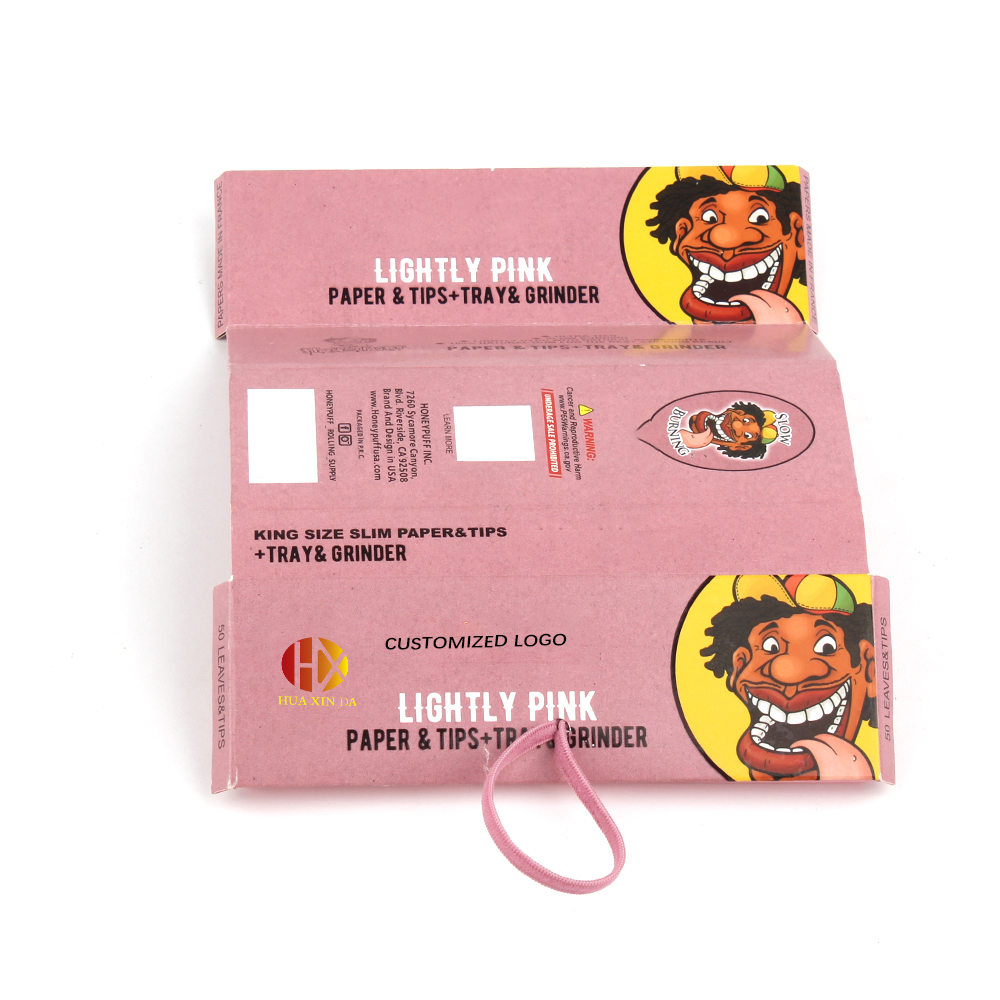
Selecting the right pre roll cones with filter tips supplier is a critical decision for any B2B business in the rolling products industry. The quality of your cones directly impacts your end product, brand reputation, and customer satisfaction. A supplier comparison requires evaluating multiple dimensions including manufacturing standards, material sourcing, consistency, and service reliability. This guide walks you through the essential criteria that distinguish high-performing suppliers from mediocre ones.
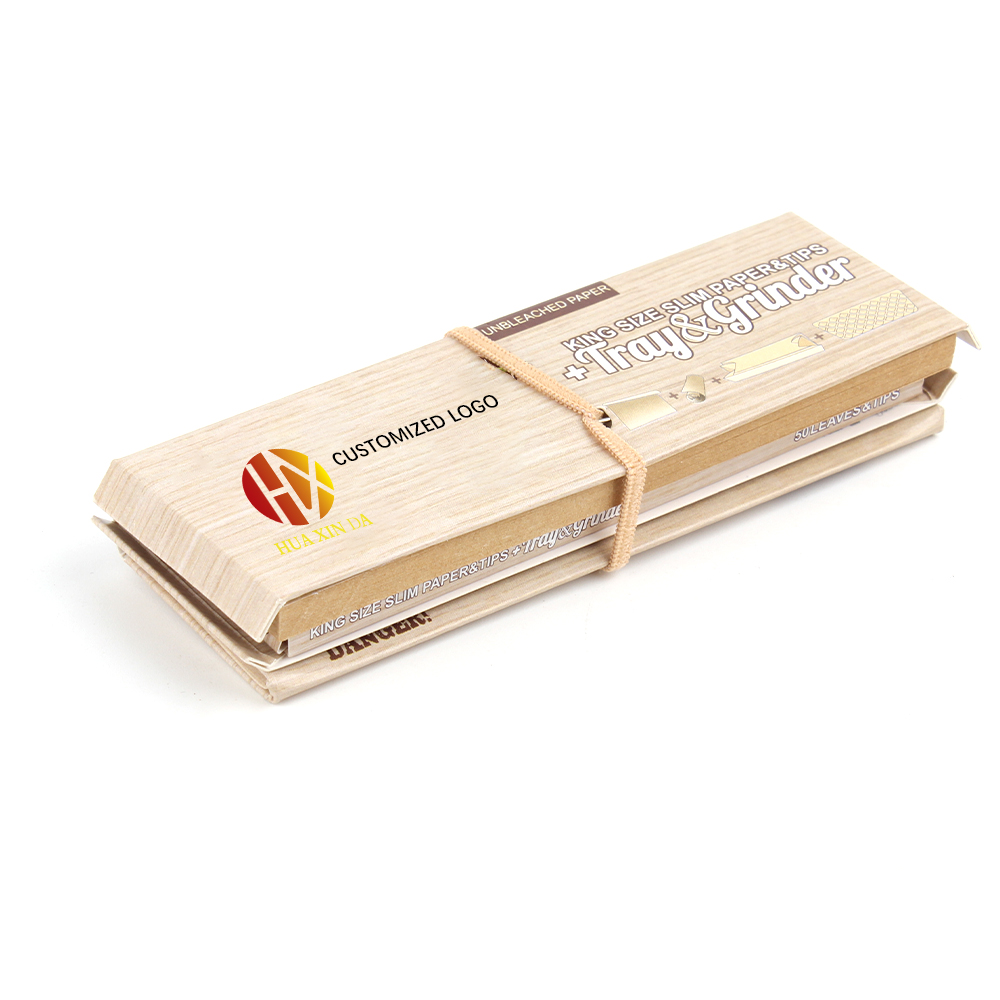
B2B procurement in this sector demands more than just price comparison. Cone quality, filter quality, material consistency, production capacity, and regulatory compliance all influence your purchasing decision. Understanding how to evaluate these factors systematically ensures you partner with suppliers who can deliver consistent value over time. This article breaks down the evaluation framework so you can make confident sourcing decisions backed by concrete assessment criteria.
Cone quality begins with raw material selection. High-quality suppliers source premium paper that meets strict weight specifications, typically ranging from 18gsm to 25gsm depending on cone diameter. The paper should be food-grade, chlorine-free, and derived from sustainably managed forests. Ask suppliers for material certifications and batch testing documentation. Inconsistent sourcing leads to cone brittleness, uneven burning rates, and customer complaints. Superior cone quality starts at the raw material stage, not in finishing processes.
Consistent cone geometry directly affects user experience and product reliability. Quality cones maintain strict tolerance standards for diameter, length, and wall thickness. Most reliable suppliers implement automated production systems with real-time quality monitoring. Request information about their production equipment, calibration schedules, and defect rates. Cone quality variations such as wrinkled seams, uneven tips, or inconsistent rolling create friction during filling and compromise the smoking experience. B2B procurement teams should request sample batches and conduct side-by-side comparisons before committing to large orders.
The filter tip is equally important to the cone itself. High-quality filters use food-grade cellulose acetate, which provides consistent airflow, structural integrity, and a smooth draw experience. Premium filter quality includes appropriate density and texture to prevent particles from passing through while maintaining adequate air circulation. Examine whether suppliers offer different filter densities for different market segments. Inferior filter materials collapse, separate from the cone, or allow excessive debris passage. Filter quality directly impacts customer perception and repeat purchases, making supplier evaluation critical here.
The bond between filter and cone determines product durability and user satisfaction. Supplier comparison should include testing how well filters withstand handling, insertion, and packing pressure. Quality suppliers use food-safe adhesives that create permanent seals without affecting taste or smoking characteristics. Request information about adhesive type, application method, and pull-force testing data. Poor filter quality manifests as separation during shipping or use. The integration process is where many mid-tier suppliers fall short, making this a key differentiation point in your supplier comparison.
B2B procurement requires reliable capacity to meet your growth and seasonal demand cycles. Evaluate whether potential suppliers maintain inventory buffers or operate on made-to-order models. Longer lead times can strain your cash flow and operational flexibility. Request production capacity documentation, typical lead times, and their ability to handle rush orders. Cone quality consistency often deteriorates when suppliers scale production beyond their equipment capabilities. During supplier comparison, prioritize vendors who match your volume requirements without stretching their operational limits.
Legitimate B2B procurement demands verified compliance with local and international regulations. Suppliers should hold appropriate certifications including food contact material compliance, environmental standards, and quality management systems like ISO 9001. Request copies of regulatory documentation, testing reports, and compliance certifications. Cone quality and filter quality cannot be verified reliably without third-party testing evidence. A transparent supplier comparison always includes regulatory verification. Non-compliant suppliers pose legal and reputational risks that far exceed any short-term cost savings.
Long-term supplier relationships succeed when communication is clear and responsive. Evaluate how suppliers handle questions, provide technical support, and address quality concerns. B2B procurement teams benefit from vendors who offer dedicated account management, regular performance reviews, and continuous improvement initiatives. Test their responsiveness during the evaluation phase before committing to large orders. Cone quality issues and filter quality problems require quick resolution. Suppliers who demonstrate commitment to partnership stability and proactive communication often deliver better long-term value than those focused only on transaction completion.
Key cone quality metrics include seam strength, weight consistency within ±2%, wall thickness uniformity, and burn rate consistency. Request samples from at least five production batches and test them under identical conditions. Measure diameter tolerances using precision calipers, inspect seams under magnification, and conduct burn tests to verify smoke production and ash characteristics. Filter quality should be evaluated alongside cone quality since the integration affects overall performance. Include defect rate data as part of your supplier comparison framework.
Filter quality verification requires pull-force testing to ensure adhesion strength, airflow testing to confirm resistance specifications, and structural integrity evaluation. Request test reports from independent laboratories when possible. Ask suppliers about their filter material certifications, adhesive food-safety documentation, and batch-testing protocols. Conduct personal draw-resistance tests on sample cones to ensure the filter provides appropriate filtration without excessive restriction. Filter quality standards should match industry best practices, and your B2B procurement process should include these verifications before large order commitments.
Red flags include reluctance to provide certifications, inability to supply consistent samples, vague answers about production processes, and pricing significantly below market rates. Suppliers unwilling to discuss cone quality testing, filter quality standards, or offer long-term pricing stability may lack operational rigor. Be cautious of suppliers with no verifiable business history, poor communication responsiveness, or pressure to commit without adequate evaluation. Your supplier comparison process should take time; rushing this decision often leads to costly quality problems. Trust your instincts and prioritize transparency throughout the entire B2B procurement evaluation.