EN
EN
how-flavor-customization-fits-into-a-privatelabel-cone-program, how-flavor-customization-fits-into-a-privatelabel-cone-program, /news
EN
2026/08/04
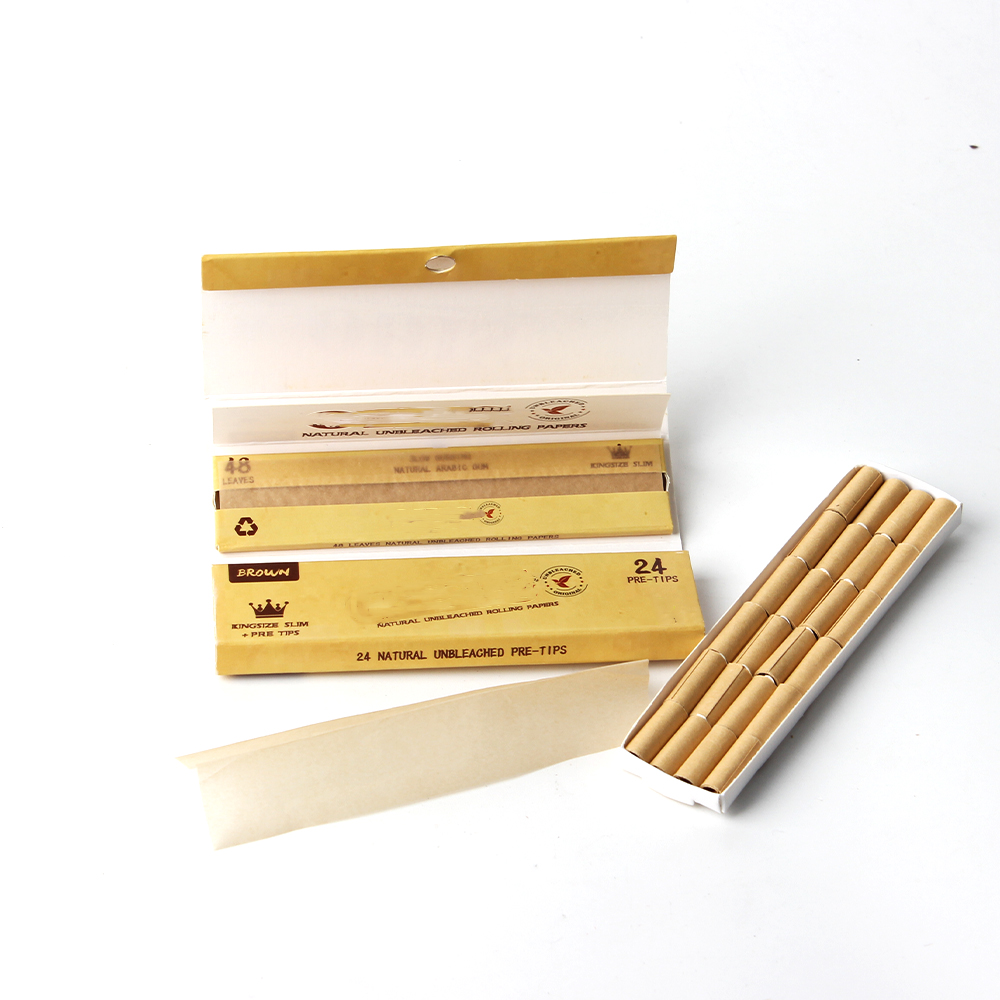
Private-label cone programs have become a cornerstone strategy for businesses seeking to establish brand identity and market differentiation. Within this landscape, flavor customization represents a powerful lever for creating distinctive products that resonate with consumers. The ability to develop custom cones tailored to specific market preferences enables companies to move beyond generic offerings and establish meaningful competitive advantages. This approach transforms OEM cones from simple commodity products into strategic brand assets that directly influence consumer choice and loyalty.
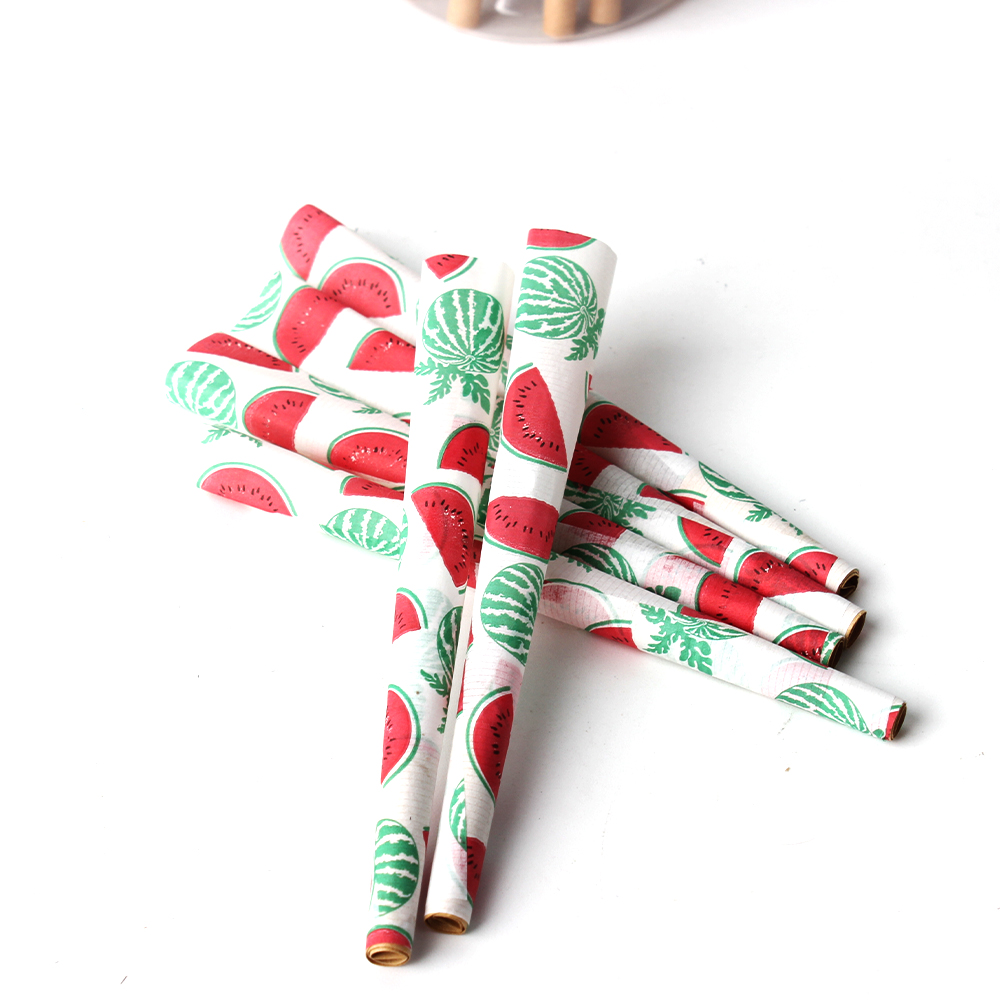
Integrating flavor customization into a private-label framework requires strategic planning and deep understanding of production capabilities. Companies leveraging custom cones benefit from enhanced product differentiation that attracts both retailers and end consumers. The synergy between flavor innovation and OEM cone manufacturing creates opportunities for premium positioning, improved margins, and stronger brand recognition across distribution channels.
Flavor customization serves as a critical differentiator in crowded retail environments where private-label products compete against established brands. By offering unique flavor profiles aligned with regional preferences, dietary trends, or emerging consumer tastes, companies can capture market segments that generic products cannot address. This form of product differentiation creates perceived value that justifies premium pricing and builds consumer preference. OEM cones manufactured with specific flavor characteristics demonstrate commitment to quality and consumer insight, elevating the entire brand perception.
Successful flavor customization within a private-label cone program requires seamless coordination between product development and OEM cone manufacturing partners. Custom cones must be engineered to support specific flavor compounds, maintain structural integrity during distribution, and deliver consistent sensory experiences across production batches. The integration process involves specification refinement, material selection, and quality validation protocols. Companies working with experienced OEM cones manufacturers gain access to technical expertise that transforms flavor concepts into reliable, market-ready products that satisfy both regulatory requirements and consumer expectations.
Developing an effective private-label cone program begins with comprehensive market research to identify flavor preferences, consumer demographics, and emerging category trends. Product differentiation strategies must be grounded in actionable consumer insights rather than generic assumptions. Companies should conduct taste testing, competitive analysis, and shelf-positioning assessments to validate flavor concepts before committing to production. Custom cones developed from this research foundation perform significantly better in market because they reflect genuine consumer desires rather than assumptions. Flavor customization decisions informed by robust data reduce product failure risk and accelerate market adoption.
Once flavor profiles are finalized, manufacturers implementing OEM cones must establish rigorous quality assurance protocols to ensure consistency across production runs. Custom cones require precise control over ingredient ratios, processing temperatures, and packaging methods to preserve flavor integrity. Quality systems should include sensory evaluation, shelf-life testing, and stability assessments under various storage conditions. Private-label programs succeed when manufacturing partners demonstrate technical competence in custom cones production and commitment to maintaining product specifications. Regular communication between product development and production teams prevents costly deviations and ensures that flavor customization translates into reliable shelf performance.
Product differentiation achieved through flavor customization allows private-label brands to establish distinctive market positions that resonate with specific consumer segments. Custom cones representing proprietary flavor formulations become tangible expressions of brand personality and values. This approach enables companies to transcend traditional private-label perceptions as budget alternatives and instead position offerings as premium, thoughtfully developed products. Retailers appreciate private-label cone programs that generate consumer demand and drive traffic, particularly when unique flavors cannot be found elsewhere. Flavor customization transforms OEM cones into strategic competitive weapons that strengthen retailer relationships and expand market opportunities.
Retailers benefit significantly when private-label programs feature compelling flavor customization that captures consumer interest and differentiates shelf presence. Custom cones with proprietary flavors generate repeat purchases and build customer loyalty to the retail brand. Marketing support highlighting unique flavor attributes, combined with consistent OEM cones quality, creates consumer trust and preference. Private-label cone programs with strong flavor differentiation typically command premium shelf positioning, enjoy higher velocity metrics, and achieve superior margin performance compared to generic alternatives. Product differentiation rooted in authentic flavor innovation creates mutual value for both manufacturers and retailers throughout the supply chain.
Flavor customization directly addresses the challenge of standing out in competitive retail markets. When companies develop custom cones with unique flavor profiles, they create meaningful product differentiation that distinguishes private-label offerings from both competitors and generic alternatives. This differentiation justifies premium positioning, attracts consumer preference, and generates stronger sales velocity. Retailers value private-label cone programs featuring distinctive flavors because they drive consumer traffic and build shopping loyalty to the retailer brand.
Experienced OEM cones manufacturers bring technical expertise in material science, flavor formulation, and production engineering that transforms flavor concepts into reliable products. They conduct feasibility assessments, recommend ingredient combinations that optimize taste and stability, and establish quality controls ensuring consistency across batches. Custom cones require specialized knowledge about how different materials interact with specific flavors, how to prevent flavor degradation during storage, and how to maintain structural integrity under various conditions. Manufacturers collaborating on private-label cone programs accelerate time-to-market while reducing development risks.
Private-label cone programs with compelling flavor customization create competitive moats that become increasingly valuable over time. As consumers discover and develop preferences for proprietary flavors available only through specific retailers, they become less price-sensitive and more loyal to that retailer. Custom cones represent intellectual property that competitors cannot easily replicate, creating sustained competitive advantages. Product differentiation through unique flavor profiles allows retailers to command premium positioning, achieve superior margins, and build distinctive brand identities that drive market leadership and profitability.