EN
EN

how-paper-thickness-impacts-stability-in-custom-filter-tips, how-paper-thickness-impacts-stability-in-custom-filter-tips, /news
EN
2026/09/17
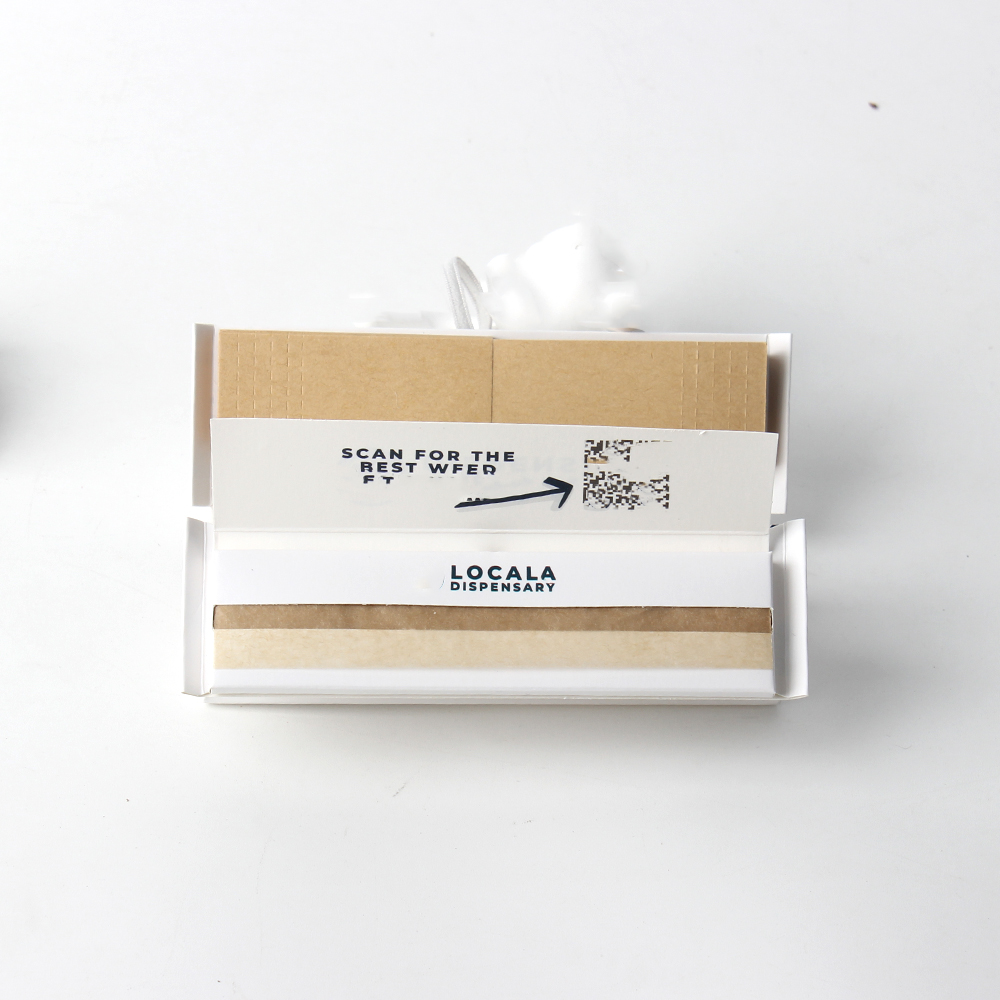
Paper thickness plays a critical role in determining the structural integrity and performance of custom filter tips used across various industries. When selecting materials for personalized tips, manufacturers and end-users must carefully consider how paper weight, density, and composition directly influence the stability and functional longevity of the final product. Understanding these relationships enables better decision-making when designing custom filters that meet specific application requirements.
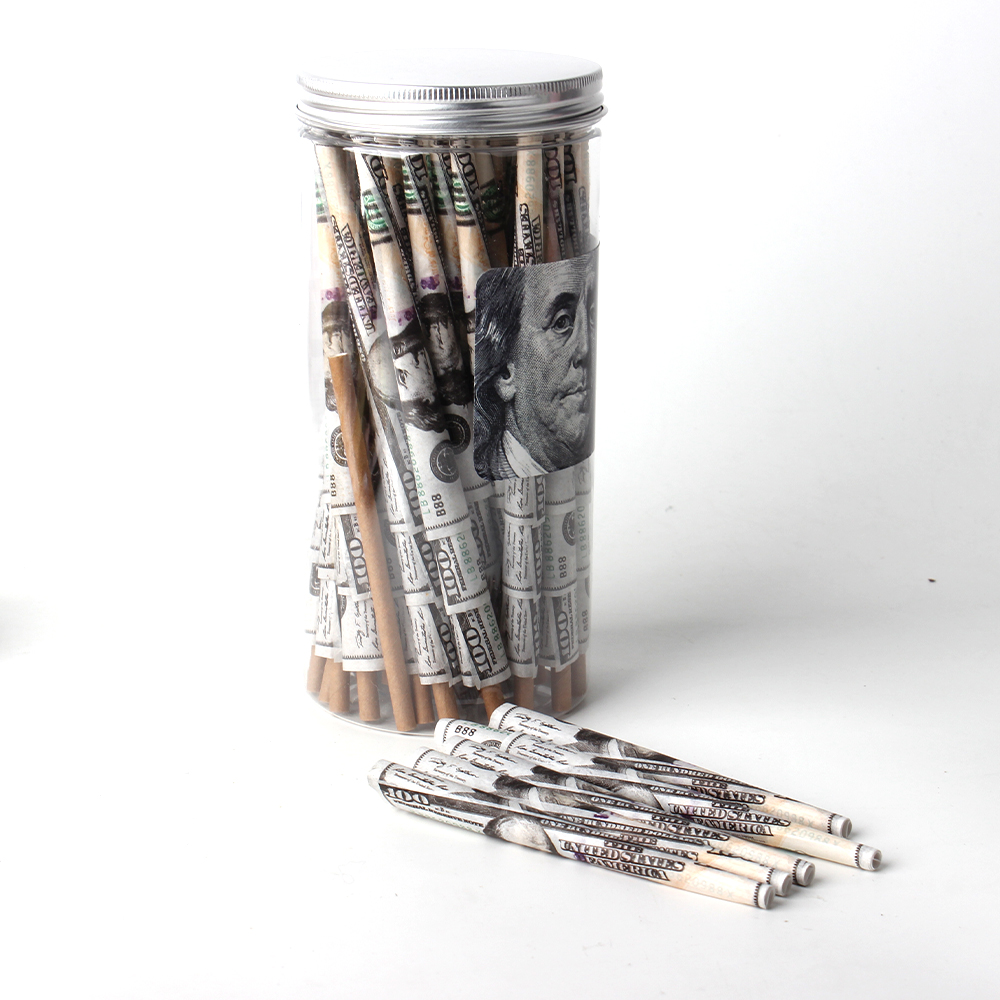
The significance of paper thickness extends beyond simple structural support. Branded filter tips manufactured with precise thickness specifications maintain consistent draw resistance, flavor integrity, and combustion characteristics throughout their lifespan. For businesses producing custom printed tips, material quality becomes a competitive differentiator that directly impacts customer satisfaction, product reliability, and brand reputation in increasingly demanding markets.
Paper thickness, measured in grams per square meter (gsm), directly determines how well custom filters withstand mechanical stress during handling, storage, and use. Thicker paper provides superior resistance to tearing, puncturing, and deformation when exposed to moisture, temperature fluctuations, or pressure variations. The structural integrity of personalized tips depends on selecting appropriate paper weights that balance durability with usability, ensuring the product performs reliably without becoming overly rigid or difficult to handle.
When paper becomes too thin, custom filter tips become prone to collapse during normal use, compromising both functionality and user experience. Conversely, excessively thick paper can create handling difficulties, increase production costs, and negatively affect draw characteristics. The optimal thickness range varies depending on the specific application, smoking material compatibility, and intended user preferences, making material selection a nuanced engineering decision rather than a one-size-fits-all solution.
The composition of paper used in custom printed tips influences how thickness translates into practical performance. Higher-quality papers with consistent fiber density maintain stability across their entire length, while lower-grade materials may exhibit weak points that compromise structural reliability. Branded filter tips manufactured from premium bleached or unbleached wood pulp demonstrate superior performance compared to recycled or mixed-fiber alternatives, particularly when paper thickness remains moderate rather than excessive.
Additives incorporated during paper manufacturing, such as sizing agents and binding compounds, enhance how paper thickness contributes to overall stability. These chemical modifications affect moisture resistance, ash content, and combustion characteristics of personalized tips. Manufacturers seeking to produce reliable custom filters must collaborate with paper suppliers who understand how thickness interacts with composition to achieve desired functional properties while maintaining production efficiency and cost-effectiveness.
Different applications demand different thickness specifications for optimal performance. Cigarette rolling papers and custom filter tips used for tobacco products typically require thinner constructions ranging from 25 to 35 gsm, allowing smooth draw while maintaining adequate structural support. Conversely, custom filters designed for herbal products or applications requiring extended use periods may benefit from slightly thicker materials ranging from 35 to 45 gsm to prevent premature deterioration or performance degradation.
Branded filter tips intended for premium market segments often utilize thicker papers to convey quality and durability, justifying higher retail prices through tangible performance benefits. Custom printed tips marketed toward health-conscious consumers might feature specialized paper compositions combined with moderate thickness to communicate purity and sustainability credentials. Understanding how end-users perceive thickness as an indicator of quality helps manufacturers position personalized tips effectively while aligning material specifications with market expectations and functional requirements.
Paper thickness significantly affects manufacturing processes and storage stability for custom filter tips. Thicker materials resist dimensional changes caused by humidity fluctuations, making them more reliable for inventory management and long-term warehousing. Branded filter tips produced from moderately thick papers maintain consistent specifications throughout storage periods, reducing waste from warping or delamination that compromises packaging integrity or usability. This stability advantage translates into reduced logistics costs and improved supply chain reliability for manufacturers operating globally.
Production machinery considerations also influence optimal thickness selection for personalized tips. Equipment designed for standard thickness ranges operates most efficiently within specified parameters, and deviations either thinner or thicker can increase wear, reduce throughput, or compromise printing quality. Manufacturers of custom printed tips must balance material performance requirements with production system constraints, often selecting paper thickness based on available equipment capabilities rather than ideal theoretical specifications. This practical manufacturing reality underscores why industry standardization around 30 to 40 gsm exists for most commercial custom filter products.
Quality assurance programs for custom filters must include systematic thickness verification to ensure stability and performance consistency. Manufacturers employ calibrated micrometers and basis weight testing to confirm that each batch of personalized tips meets specified thickness tolerances, typically within ±5% of target values. Variance beyond acceptable ranges indicates potential supply chain issues, equipment misalignment, or material quality problems requiring investigation and corrective action to maintain brand reputation and customer satisfaction.
Stability testing protocols for branded filter tips should include moisture resistance evaluation, combustion characteristic assessment, and structural integrity verification across temperature and humidity ranges representing likely storage and use conditions. Thickness measurements performed before and after environmental stress testing reveal whether paper degradation occurs during typical product lifecycles. Data collected from these quality assurance activities informs ongoing supplier negotiations and material specification refinements, ensuring that custom printed tips consistently deliver promised performance and durability throughout shelf life and extended use periods.
Even minor thickness variations between production batches can create noticeable performance differences in custom filters, potentially frustrating end-users and damaging brand loyalty. Implementing statistical process control systems allows manufacturers to identify thickness drift before it becomes problematic, enabling corrective adjustments that maintain consistency. Personalized tips produced under rigorous thickness monitoring deliver more predictable performance, supporting customer confidence and reducing return rates or complaints related to quality variation.
Documentation and traceability systems that track thickness measurements and test results provide valuable data for continuous improvement initiatives. When branded filter tips encounter performance issues in the field, manufacturers can reference batch-specific thickness records to identify root causes and prevent recurrence. This quality management discipline becomes increasingly important as custom printed tips compete in premium market segments where consistency and reliability represent core value propositions justifying premium pricing and brand differentiation.
Paper thickness directly impacts the structural stability, durability, and functional performance of custom filters. Appropriate thickness prevents collapse during use, maintains draw resistance consistency, and ensures personalized tips withstand handling and storage stresses throughout their intended lifespan. Thickness also influences user perception of quality, affects production efficiency, and determines compatibility with manufacturing equipment used to create branded filter tips.
Most commercial custom filter products perform optimally at paper thicknesses between 30 and 40 gsm, though specific requirements vary by application and end-user preferences. Personalized tips for premium market segments might utilize slightly thicker papers around 35 to 45 gsm to enhance perceived quality, while standard branded filter tips typically remain within the 25 to 35 gsm range. Manufacturers should evaluate application-specific requirements, equipment capabilities, and market positioning before selecting final thickness specifications for their custom printed tips.
Implement rigorous quality assurance programs that include systematic thickness measurement using calibrated equipment, statistical process control monitoring, and environmental stress testing to verify personalized tips maintain performance across storage and use conditions. Track batch-specific measurements and test results to identify trends or variations, enabling corrective adjustments that keep branded filter tips consistently within specification. Collaborate with paper suppliers to ensure material quality and work with production teams to maintain equipment calibration, together ensuring that custom printed tips deliver reliable performance batch after batch.