EN
EN

evaluating-cardboard-stiffness-for-highperformance-custom-filter-tips, evaluating-cardboard-stiffness-for-highperformance-custom-filter-tips, /news
EN
2026/08/14
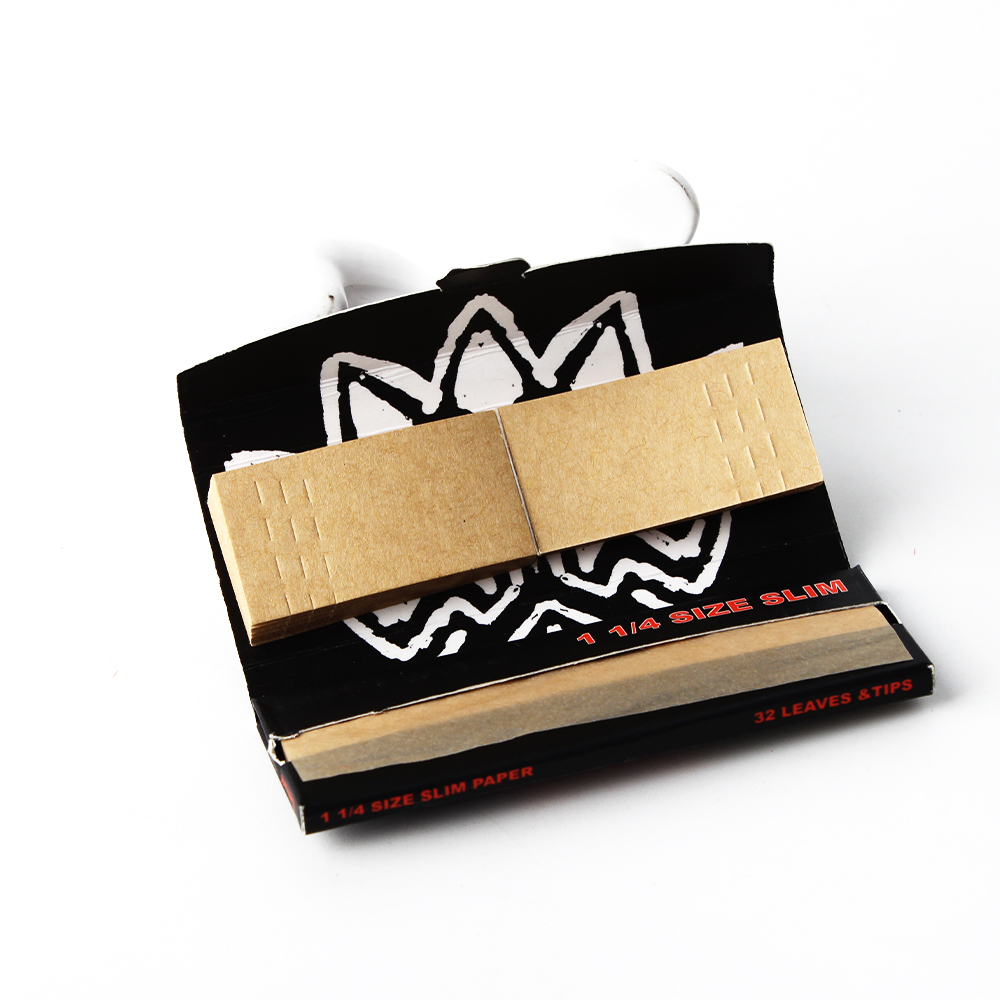
The quality of custom filters depends heavily on material selection and structural integrity. When designing custom filter tips for premium products, manufacturers must carefully evaluate cardboard stiffness to ensure optimal performance, durability, and user experience. Stiffness directly affects how custom cardboard tips maintain their shape during handling, storage, and actual use, making it a critical specification for any branded accessories line.
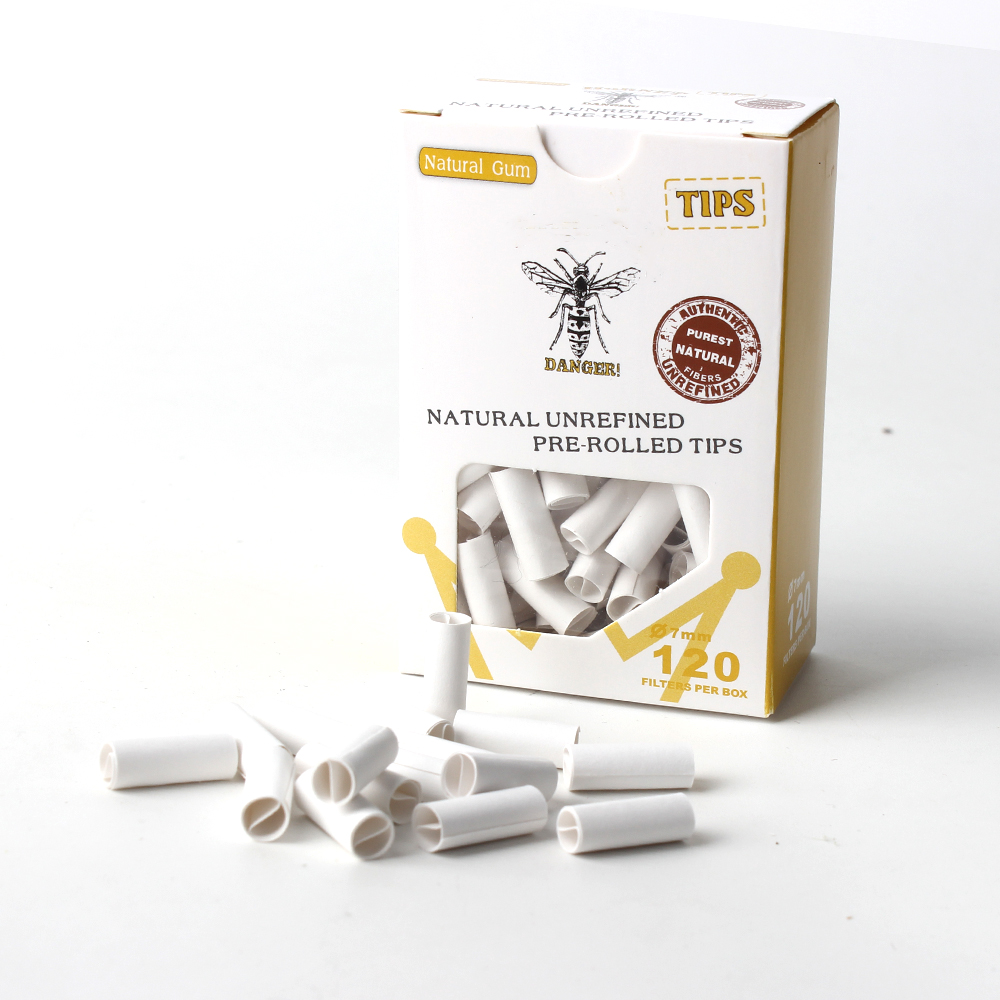
Understanding the relationship between material properties and functional requirements is essential for anyone sourcing or manufacturing custom filter tips. Rigid paper tips offer distinct advantages in maintaining consistent diameter, preventing collapse, and providing a professional tactile experience. This evaluation guide walks through the key metrics, testing standards, and practical considerations that determine whether a cardboard formulation meets performance demands for your specific application.
Cardboard used in custom cardboard tips comes in multiple grades, each with different stiffness characteristics. The stiffness of rigid paper tips is measured in terms of bending rigidity, often expressed through metrics such as Mullen burst strength, caliper thickness, and edge crush resistance. These measurements tell you how much force is needed to bend or compress the material, which directly translates to how well your custom filter tips will hold their shape under real-world conditions.
A higher stiffness value indicates that the cardboard resists deformation more effectively. This property becomes especially important for branded accessories where consistency and durability reflect directly on brand perception. When custom filters are too soft or flexible, they may collapse during insertion, creating a poor user experience and potentially compromising the product seal or fit.
Industry standards such as TAPPI (Technical Association of the Pulp and Paper Industry) provide standardized testing methods for evaluating cardboard properties. TAPPI T489 measures bending stiffness, while T806 assesses crush resistance, both critical for assessing rigid paper tips quality. These tests ensure that your custom cardboard tips meet consistent performance benchmarks across production runs.
Manufacturers typically specify minimum stiffness thresholds based on the intended application. For custom filter tips, a bending stiffness range of 0.8 to 2.5 millinewton-meters is common, depending on diameter and wall thickness. Testing protocols verify that each batch of branded accessories meets these specifications before reaching your production line.
Insufficient stiffness in custom filter tips leads to premature wear, deformation, and reduced shelf life. If your rigid paper tips are too soft, they may compress permanently after being stored in boxes or handled during distribution. This degradation compromises the integrity of custom filters and can result in customer complaints and returns.
Conversely, excessive stiffness can make custom cardboard tips difficult to insert or remove, reducing usability. The ideal balance is achieved through careful material selection that provides enough structural integrity without making the product feel brittle or uncomfortable to handle. Well-designed branded accessories strike this balance seamlessly, enhancing rather than hindering the user experience.
Stiffness affects how custom filter tips behave during manufacturing processes such as rolling, cutting, and packaging. More rigid materials are easier to handle on automated equipment and maintain dimensional accuracy through multiple processing steps. However, overly stiff cardboard can increase machine wear and waste rates if your equipment isn't designed for higher-rigidity stock.
Conversely, softer custom cardboard tips may process more easily but require careful control to avoid misalignment or damage. The stiffness specification you select must balance your production capabilities with the performance requirements of your final product. Consulting with your material supplier and equipment manufacturer ensures that your chosen rigid paper tips grade aligns with your operational constraints.
Before evaluating specific stiffness grades, define the functional demands of your custom filters. Consider factors such as diameter, wall thickness, insertion force requirements, and expected handling during distribution. Larger-diameter custom filter tips typically require higher stiffness to prevent deformation under their own weight or when stacked.
Your branded accessories must also meet any regulatory or industry-specific requirements for your market. Some applications may impose restrictions on material composition, coating treatments, or performance thresholds. Reviewing these requirements early in the material selection process prevents costly redesigns later and ensures compliance from the outset.
When sourcing custom cardboard tips, request material certificates and test data from suppliers. These documents should include measurements for key stiffness metrics and confirm compliance with your specified standards. Reviewing batch-to-batch variability in material properties helps you identify suppliers who maintain consistent quality for your rigid paper tips.
Conducting independent testing on initial samples verifies that supplier claims match real-world performance. Testing custom filter tips under conditions similar to your actual use case provides confidence that the material will perform reliably. Building a relationship with a reliable supplier for your branded accessories ensures continuity and consistency across production cycles.
The ideal stiffness range for custom filters typically falls between 0.8 and 2.5 millinewton-meters of bending rigidity, depending on diameter and intended use. Custom cardboard tips used in premium applications often target the higher end of this range to ensure durability. Your specific requirements depend on your product design, manufacturing equipment, and user expectations for rigid paper tips performance.
Insufficient stiffness causes custom cardboard tips to compress or deform during storage, reducing their functional lifespan. Higher-stiffness branded accessories maintain their dimensional integrity over extended shelf periods, supporting longer distribution channels. Testing your custom filters under realistic storage conditions reveals how material stiffness directly impacts longevity and customer satisfaction.
While increasing caliper thickness does improve overall rigidity, stiffness depends on both material composition and thickness. Increasing thickness increases weight and production costs for custom filter tips. The most effective approach combines appropriate base material selection with optimized wall thickness to achieve the desired performance characteristics for your rigid paper tips and branded accessories.