EN
EN
how-to-add-custom-logos-to-preroll-cones-and-filter-tips, how-to-add-custom-logos-to-preroll-cones-and-filter-tips, /news
EN
2026/08/11
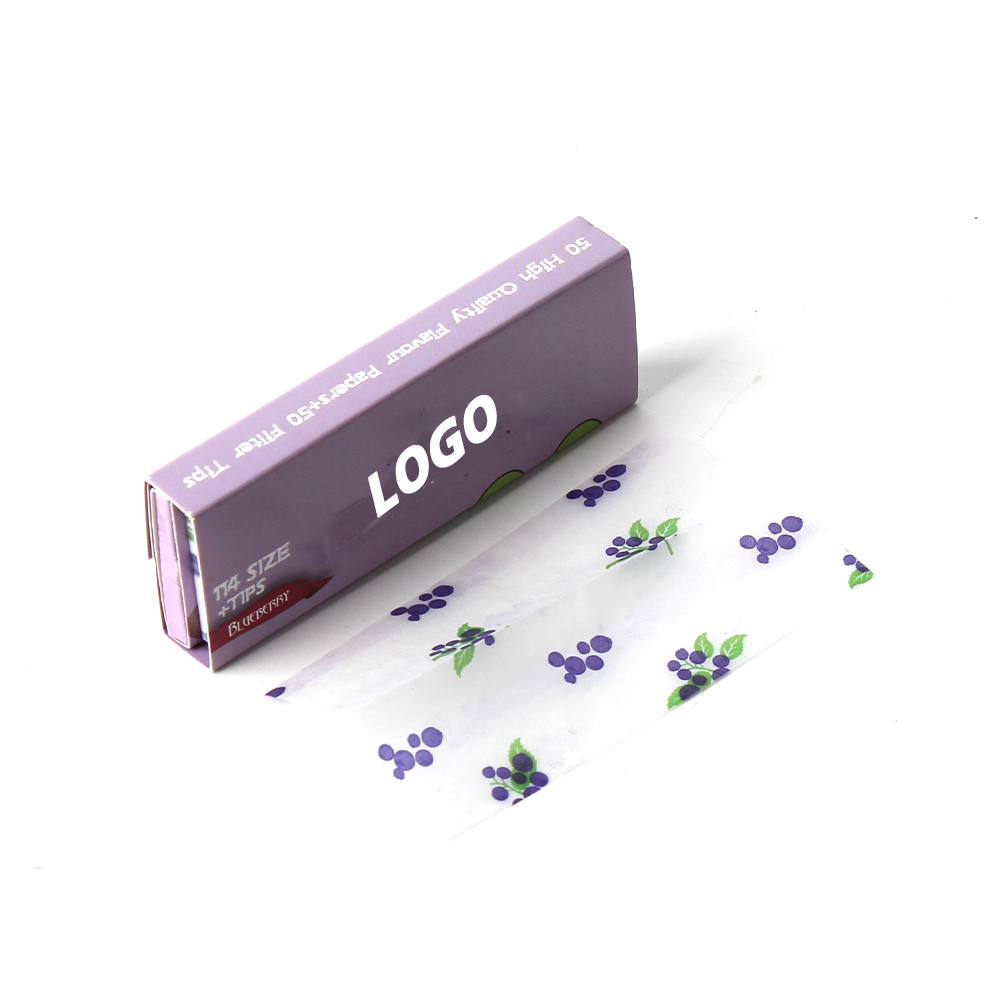
Adding a custom logo to pre rolled cones with custom logo has become a critical competitive advantage in the cannabis and herbal product industry. Whether you're a retailer, distributor, or brand owner, personalizing your packaging with a custom logo transforms standard products into recognizable branded items that command customer loyalty and market presence. This guide explores the practical methods, design considerations, and implementation strategies for successfully applying custom logos to pre-roll cones and filter tips.
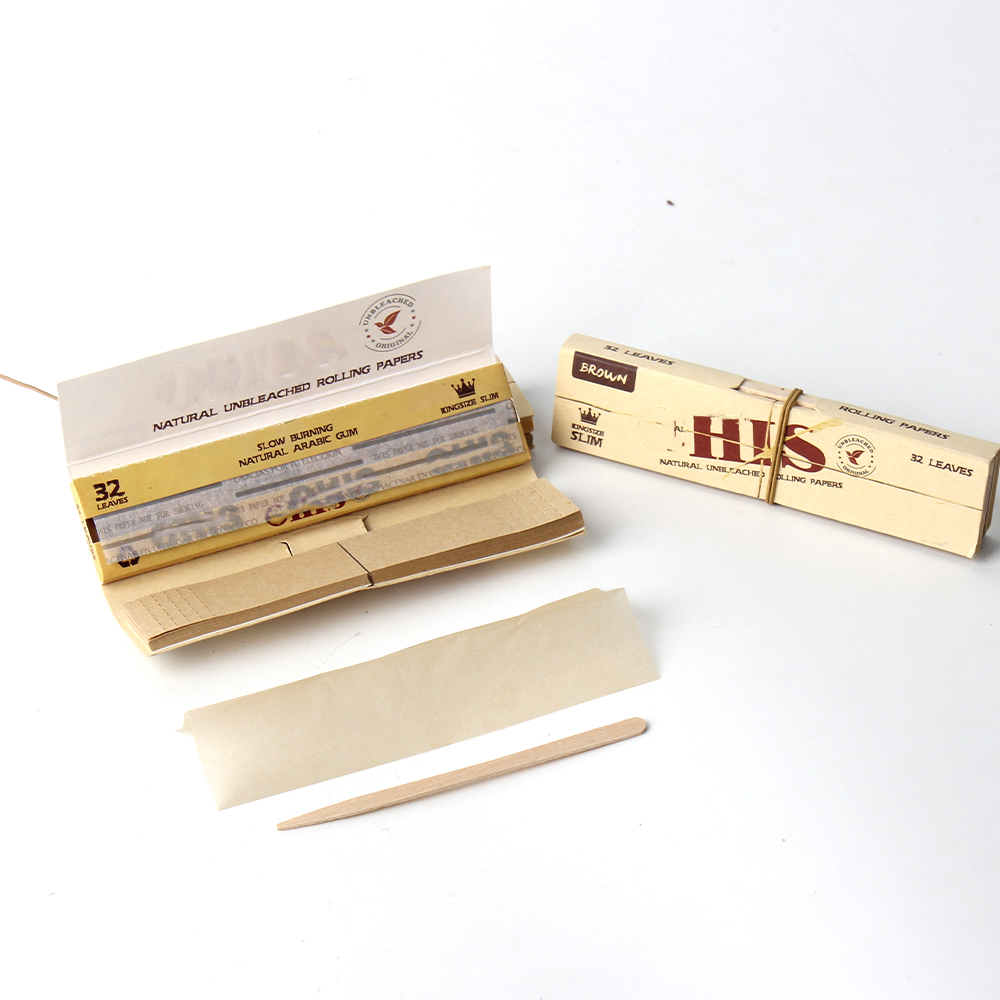
The process of adding branding to pre-roll packaging requires understanding multiple printing technologies, design specifications, and quality standards. Cone printing and filter tip printing are distinct processes, each with unique technical requirements and aesthetic outcomes. By selecting the right method and partner, businesses can achieve professional, durable branding that enhances product appeal while maintaining functionality and regulatory compliance.
Cone printing applies custom logos and designs directly to the rolled paper surface of pre-roll cones, while filter tip printing focuses on the perforated or solid tip portion at the base. Cone printing typically involves larger surface areas suitable for brand names, logos, and decorative patterns. Filter tip printing is more specialized, as the tip requires precision application without compromising airflow or structural integrity. Understanding these distinctions is essential for selecting the appropriate cone printing technology and achieving the desired visual and functional outcomes.
Different cone printing methods offer varying levels of detail, color reproduction, and durability. Screen printing is a popular choice for bold, solid-color logos on pre-roll cones. Digital printing provides high-resolution reproduction ideal for complex multi-color designs. Heat transfer and flexographic printing each offer unique advantages depending on production volume, budget, and design complexity. Filter tip printing often employs similar technologies but requires specialized equipment and careful material handling to preserve tip functionality.
The selection between printing methods depends on your production volume, budget constraints, and design requirements. High-volume private label operations often benefit from screen printing, which delivers cost-effective, durable results for single or dual-color logos. Small-batch custom logo applications may favor digital printing, which eliminates setup costs and allows design flexibility. Filter tip printing requires more specialized vendors, as the narrow surface demands precision equipment and experienced operators to ensure consistent quality without damaging the cone structure.
Material compatibility is another critical factor. Pre-rolled cones with custom logo branding require inks and adhesives that bond securely to paper, hemp, or rice-based cone materials. The printing substrate must withstand handling, storage, and exposure to humidity without fading or peeling. Professional cone printing vendors test material combinations rigorously to ensure long-term durability and brand integrity.
Successful custom logo application begins with precise design specifications and print-ready artwork. Your logo must be provided in vector format (AI, EPS, or PDF) at high resolution to ensure clean reproduction during cone printing. Color specifications should follow CMYK standards rather than RGB, as digital printers convert artwork to these process colors. Design dimensions must account for the curved surface of pre-roll cones, as logos appear distorted on flat mockups but wrap naturally around cylindrical geometry.
Branding guidelines for filter tip printing are equally specific. The tip area is narrow and curved, limiting design complexity and text legibility. Most successful filter tip printing features minimalist logos, brand initials, or QR codes rather than intricate graphics. Working with experienced vendors during the design phase ensures your custom logo translates effectively from your digital files to the finished pre-rolled cones with custom logo products.
Cannabis and herbal product packaging faces stringent regulatory requirements that impact cone printing design choices. Federal and state regulations often mandate specific warning labels, cannabinoid content declarations, or compliance statements that must appear alongside custom logos. Design layouts must accommodate these regulatory elements without compromising brand visibility or aesthetic appeal. Private label operators must verify all regulatory requirements in their target markets before finalizing artwork.
Color choices and material finish also affect brand perception and regulatory compliance. Matte finishes on pre-rolled cones with custom logo tend to appear more premium and professional compared to glossy alternatives, while also reducing ink glare during inspections. Ink choices must be food-safe and non-toxic, as many jurisdictions restrict the use of certain dyes or solvents on consumer-facing packaging.
Sourcing a reliable vendor for cone printing and filter tip printing is essential to achieving consistent, high-quality results across production batches. Evaluate potential partners based on their equipment capabilities, minimum order quantities, turnaround times, and portfolio examples of similar projects. Reputable vendors provide sample proofs before full production runs, allowing you to verify color accuracy, registration precision, and logo placement on actual pre-roll cones.
Private label operations benefit from vendors who offer turnkey services, including design consultation, file preparation, printing, and quality inspection. Establishing clear communication channels and detailed specifications minimizes revisions and delays. Many vendors maintain digital files from previous runs, streamlining reorders and reducing lead times for future batches.
Quality assurance for pre rolled cones with custom logo involves inspecting color consistency, registration accuracy, ink adhesion, and surface finish across sample units from each production batch. Professional vendors conduct pull tests to verify that printed logos resist peeling or rubbing during normal handling and storage. Moisture resistance testing ensures that custom logos maintain clarity and color saturation when exposed to typical retail humidity levels.
Durable, professional-quality cone printing protects your brand investment and ensures customer satisfaction. Inferior printing processes result in fading logos, smudged text, or peeling ink that damages brand perception and signals poor product quality. Investing in premium printing technology and experienced vendors delivers long-term value through consistent brand presentation and reduced waste from defective units.
Minimum order quantities vary by vendor and printing method. Screen printing typically requires 500 to 1,000 units to justify setup costs, while digital printing may accommodate orders as small as 100 units. Filter tip printing often requires higher minimums due to specialized equipment requirements. Contact multiple vendors to find options that match your production volume and budget constraints.
Production timelines depend on order complexity, vendor workload, and printing method. Standard cone printing typically requires 5 to 10 business days after design approval. Rush services may be available at premium rates. Private label operations planning regular orders should discuss lead time expectations upfront and build buffer time into their supply chain schedules.
Yes, combining cone printing and filter tip printing creates comprehensive private label branding across the entire product. This approach maximizes brand visibility and delivers a premium, fully customized appearance. Coordinate with vendors experienced in multi-process applications to ensure color consistency and proper sequencing of print operations.