EN
EN

how-to-evaluate-preroll-cone-samples-from-multiple-suppliers, how-to-evaluate-preroll-cone-samples-from-multiple-suppliers, /news
EN
2026/09/23
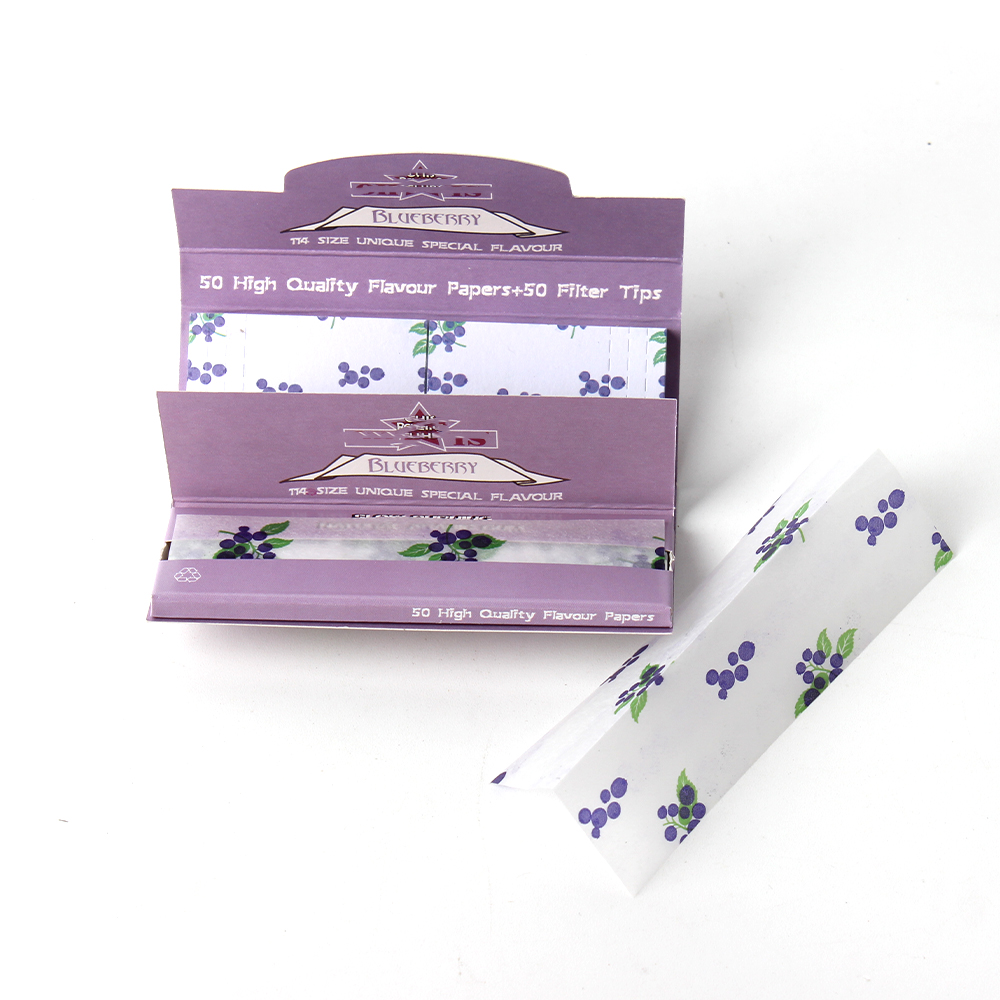
Evaluating pre rolled cones sample from multiple suppliers is a critical step in sourcing quality products for your business. Whether you operate a dispensary, production facility, or distribution network, the ability to assess cone quality, consistency, and supplier reliability directly impacts your bottom line and customer satisfaction. This evaluation process requires a structured approach that goes beyond surface-level inspection, incorporating sample testing protocols, detailed supplier comparison, and a comprehensive buyer checklist to ensure you select the right partners.

The foundation of effective procurement lies in establishing clear standards before you even receive samples. By developing a detailed framework for cone quality assessment, you create consistency across your evaluation process and minimize subjective decision-making. This approach enables fair supplier comparison and helps you identify vendors who consistently meet your specifications and standards over time.
Sample testing begins with defining exactly what you need to evaluate. Cone quality encompasses multiple dimensions including paper composition, roll tightness, filter design, and structural integrity. When requesting pre rolled cones samples from suppliers, specify the quantities and formats you require. Request samples that match your intended use case, whether for personal consumption, commercial production, or retail distribution. Each application demands different performance standards, so your sample testing protocol should reflect your actual production needs.
The initial phase of sample testing involves visual inspection under controlled conditions. Examine the paper consistency, color uniformity, and print quality across the entire sample batch. Look for manufacturing defects such as wrinkles, thin spots, or uneven sealing. Poor cone quality often manifests as visible inconsistencies that signal potential performance issues during use. Document your observations systematically to create a baseline for comparing samples across different suppliers.
Beyond visual assessment, sample testing should include functional evaluation. Fill representative cones from your sample to assess draw resistance, stability, and material durability. Note how the paper burns, whether the filter provides adequate support, and if the cone maintains structural integrity throughout use. Test multiple units from each sample batch to verify consistency. Inconsistent performance across units within the same sample indicates quality control problems at the supplier level, which represents a significant risk for ongoing supply relationships.
Record specific metrics for each sample: weight per unit, paper thickness, fill capacity, and any defects observed. This data becomes essential for your supplier comparison process. By quantifying performance rather than relying on impressions, you create objective criteria that guide your purchasing decisions and help you justify supplier selections to stakeholders and customers who demand transparency about cone quality.
Supplier comparison requires developing a buyer checklist that addresses multiple dimensions of vendor capability and reliability. Your checklist should evaluate production capacity, quality certifications, pricing structure, minimum order quantities, and lead times. For cone quality specifically, verify that suppliers implement rigorous quality control processes and can provide documentation of their standards. Request information about their manufacturing equipment, material sourcing, and any third-party testing they conduct on finished products.
Create a weighted scoring system within your buyer checklist that reflects your business priorities. If cone quality represents your highest concern, allocate significant weight to testing results and quality metrics. If flexibility and responsiveness matter more, emphasize supplier communication, sample turnaround times, and their willingness to accommodate custom specifications. This structured approach to supplier comparison prevents personal bias from influencing your vendor selection and ensures decisions align with actual business requirements.
A complete supplier comparison includes assessing how vendors respond to your sample requests and inquiries. Pay attention to communication speed, clarity of responses, and willingness to provide detailed specifications for their products. Request samples of pre rolled cones from different production batches to verify that cone quality remains consistent over time, not just within a single shipment. Reliable suppliers demonstrate commitment to quality by proactively sharing testing data and standing behind their products with guarantees or quality assurances.
Supplier comparison should also examine their track record with other clients. Request references from current customers who use similar products at comparable volumes. Ask specifically about consistency, whether cone quality issues emerge after the initial orders, and how suppliers handle complaints or quality disputes. This due diligence step often reveals problems that sample evaluation alone cannot identify, providing crucial context for your purchasing decision.
Your buyer checklist should include sections for documenting every aspect of your evaluation process. Record the date samples were received, testing conducted, results observed, and any quality issues identified. Include photographs or samples retained in your files for future reference. This documentation protects your business by creating an audit trail that demonstrates diligent vendor selection and due diligence. If problems emerge later with a supplier, you have objective evidence of the evaluation that led to your partnership.
The buyer checklist serves as your operational guide for ongoing supplier management as well. After selecting a vendor, use your checklist framework to monitor incoming shipments and verify that cone quality meets the standards established during sample evaluation. This continuous assessment prevents degradation of product quality and allows you to address problems quickly before they reach your customers or production line.
Once you have completed sample testing with multiple suppliers and scored them against your buyer checklist criteria, you possess clear data for final selection. Avoid choosing vendors based solely on price; the lowest-cost supplier rarely delivers the best overall value when quality, consistency, and reliability are considered. Use your comparison results as leverage during price negotiations. If you have identified a supplier whose cone quality significantly exceeds alternatives but whose pricing is slightly higher, you can justify that premium through reduced waste, better customer satisfaction, and fewer quality-related complaints.
Negotiate terms that support ongoing quality assurance, such as the right to inspect incoming shipments, access to supplier testing documentation, and clear processes for addressing defects. Include provisions in your supplier agreement that require suppliers to maintain the cone quality standards demonstrated in your sample evaluation. This protects your interests and ensures that the product quality you assessed during the selection process continues throughout your business relationship.
Request sample quantities large enough to conduct meaningful testing across multiple units, typically 100 to 500 units per supplier depending on your application. This volume allows you to assess consistency and identify defects that might not appear in very small samples. Larger batches provide more reliable data for your sample testing and supplier comparison analysis, ensuring your buyer checklist evaluation reflects real-world performance rather than statistical anomalies.
Plan for four to eight weeks to properly evaluate pre rolled cones samples from multiple suppliers. Allow time for samples to be produced and shipped, conduct thorough sample testing, perform supplier comparison analysis, and make your final decision. Rushing this process often leads to poor vendor selection decisions that create costly problems later. Your buyer checklist requires adequate time for detailed assessment and verification, including supplier reference checks and negotiations.
Balance cone quality and price by focusing on total cost of ownership rather than unit cost alone. Superior cone quality reduces waste, minimizes customer complaints, and enhances your brand reputation. However, extremely premium-priced suppliers may not deliver proportionally better quality. Use your sample testing results and supplier comparison data to identify the vendor offering the best value, considering quality, reliability, pricing, and service collectively through your buyer checklist framework.