EN
EN
how-to-evaluate-preroll-cones-with-filter-tips-before-bulk-orders, how-to-evaluate-preroll-cones-with-filter-tips-before-bulk-orders, /news
EN
2026/09/21
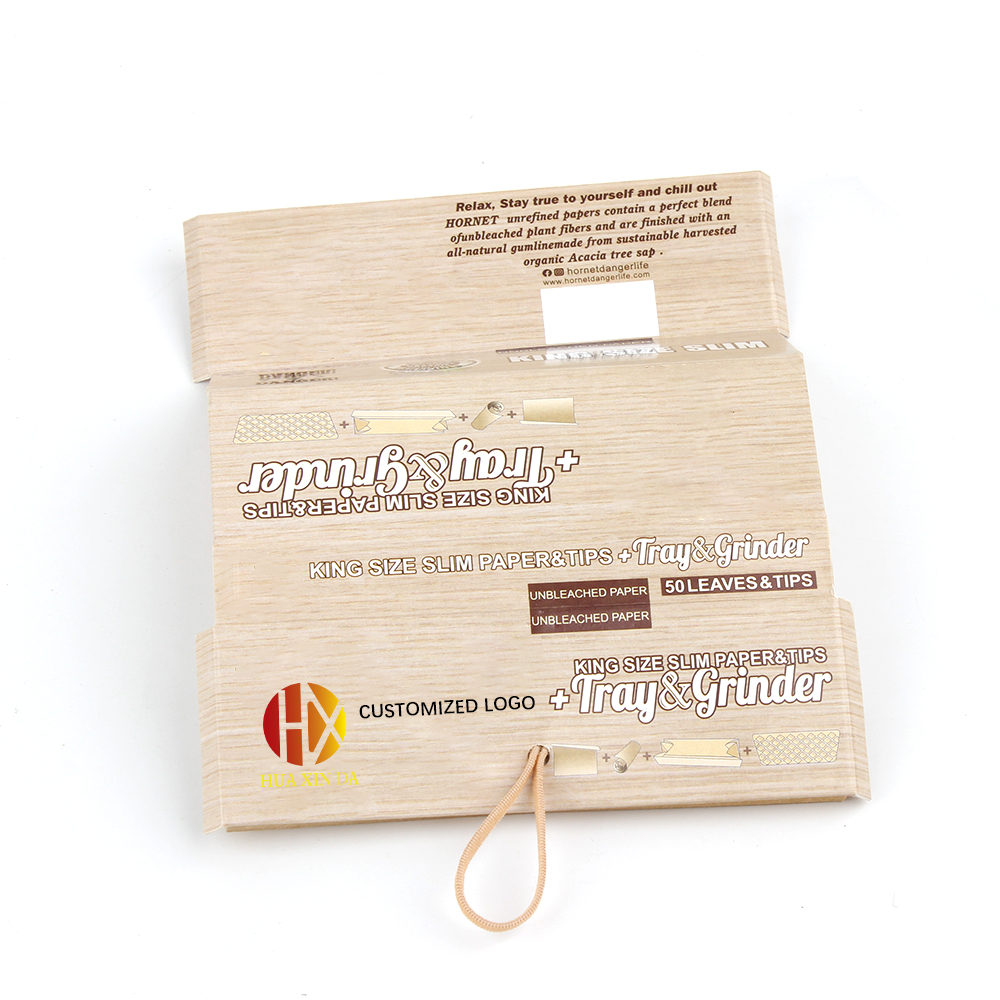
Purchasing pre roll cones with filter tips bulk order quantities requires careful planning and rigorous evaluation before committing significant capital. Many businesses rush into large purchases without proper quality assessment, resulting in customer dissatisfaction, waste, and damaged reputation. The stakes are high when you're sourcing materials that directly affect your product quality and customer experience. Taking time to evaluate every aspect of your pre-roll cones with filter tips ensures you receive consistent, premium products that meet your specifications and customer expectations.
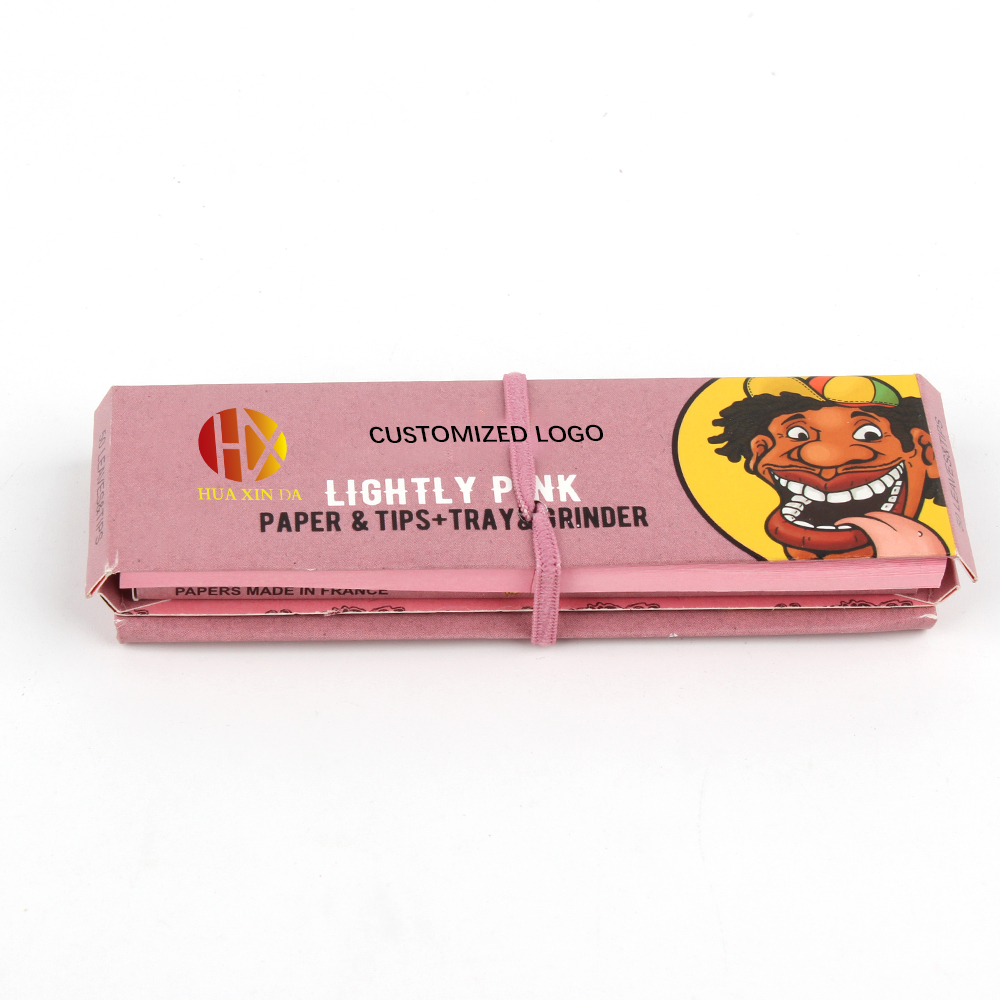
The evaluation process involves multiple layers of quality control that protect your investment and reputation. Before placing any bulk order, you should understand what makes quality cone and tip products stand out, how to conduct proper sample testing, and what standards define acceptable quality approval. This comprehensive approach prevents costly mistakes and establishes a reliable supply chain that supports long-term business growth and customer satisfaction.
The foundation of quality cone and tip assessment begins with material composition. Premium pre-roll cones feature consistent paper weight, uniform rolling, and reliable filter integration. When evaluating samples, examine the thickness of the paper and how evenly it's rolled. Check whether the cone and tip are constructed from food-grade materials that meet safety standards. Inconsistent material quality leads to uneven burning, loose wrapping, and customer complaints that damage your brand reputation.
Proper material composition directly impacts burn rate, airflow, and the overall smoking experience your customers receive. The filter tip should be firmly attached and centered, not loose or misaligned. Run your fingers along the seam to confirm proper adhesion and consistent tension throughout the product. Materials should be free from discoloration, spots, or visible defects that indicate manufacturing issues or storage problems.
Every cone and tip must meet precise dimensional requirements that ensure compatibility with your filling equipment and customer expectations. Measure the cone diameter at multiple points to confirm consistency. Check the tip width and length to verify it aligns with your operational standards. Pre-roll cones with filter tips bulk order scenarios demand tight tolerances because even minor variations cause operational delays, product inconsistency, and customer dissatisfaction.
Use calibrated measuring tools during sample testing to document exact dimensions. Create a specification sheet that defines acceptable ranges for length, diameter, and weight. Variations outside these ranges should automatically disqualify samples from approval. This standardization becomes critical when you're managing large production volumes and maintaining consistent output quality.
Comprehensive sample testing forms the backbone of quality approval before placing your bulk order. Request samples from potential suppliers that represent the full production volume you plan to purchase. Sample testing should include at least two hundred units that showcase the product range you'll receive. This volume provides statistically meaningful data about defect rates, consistency, and manufacturing quality.
Develop a detailed testing checklist that covers all critical quality parameters. Include visual inspection protocols, dimensional verification, burn testing, and functional assessment for your specific application. Document every test result systematically to create a baseline for comparison during bulk order arrival. This methodical approach ensures no quality issues escape detection before you commit to a large purchase.
Begin with visual inspection under consistent lighting conditions to identify surface defects, discoloration, or manufacturing flaws. Examine twenty random units from the sample for obvious quality issues. Next, conduct dimensional measurements on fifty units to verify cone and tip specifications fall within acceptable ranges. Record exact measurements and compare them against your established tolerances.
Perform functional testing on twenty sample units to verify proper operation. If your production process involves filling or heating, test the cone and tip performance under those conditions. Document burn characteristics, airflow quality, and structural integrity during use. This real-world testing reveals performance issues that static inspection alone cannot detect. Photograph defects and maintain detailed records linking specific problems to particular batches for traceability.
Quality approval requires clear, measurable acceptance criteria that protect your interests and define success objectively. Before sample testing begins, establish maximum acceptable defect rates for different failure categories. For example, you might accept zero tolerance for broken tips but allow one percent for minor cosmetic variations. These thresholds should reflect your production needs and customer expectations rather than arbitrary standards.
Document your quality approval benchmarks in writing and share them with potential suppliers before requesting samples. This transparency prevents misunderstandings and ensures suppliers understand your requirements. If sample testing reveals defect rates exceeding your criteria, request retesting or reject the supplier's bid. Never compromise quality standards to expedite purchasing decisions or secure lower pricing.
Once you've approved sample quality, negotiate specific terms protecting your bulk order. Include language requiring the bulk order to match sample specifications and quality standards. Establish procedures for inspecting delivered products and define remedies for quality failures. Require suppliers to certify that bulk shipments meet the approved sample specifications before shipment.
Maintain regular communication with your supplier throughout production and before bulk order delivery. Request production updates and photos showing consistency with approved samples. This proactive engagement catches potential problems early when they're still correctable. Strong supplier relationships built on clear expectations and transparent communication ensure long-term reliability and consistent quality for your pre-roll cones with filter tips bulk order.
Request samples representing at least five to ten percent of your planned bulk order volume, with a minimum of two hundred units. This volume provides statistically significant data about quality consistency and manufacturing performance. Larger sample sizes reveal defect patterns that small samples might miss. Testing comprehensive samples prevents surprises when your bulk order arrives.
Inconsistent filter tip attachment ranks among the most common problems discovered during cone and tip evaluation. Loose, misaligned, or weak filter tips cause operational problems and customer dissatisfaction. Dimensional variations that fall outside specification ranges create compatibility issues with filling equipment. Conducting thorough functional testing during the sample testing phase catches these problems before your bulk order commitment.
Reference your written quality approval criteria and documented sample testing results to support your position objectively. Request that the supplier conduct independent testing using your specifications to verify their position. If disagreement persists, involve a neutral third party for testing and evaluation. Never approve bulk orders with quality disputes unresolved, as this creates ongoing problems throughout your supply relationship.