EN
EN

optimizing-burn-rate-and-thickness-in-king-size-slim-rolling-papers, optimizing-burn-rate-and-thickness-in-king-size-slim-rolling-papers, /news
EN
2026/08/10
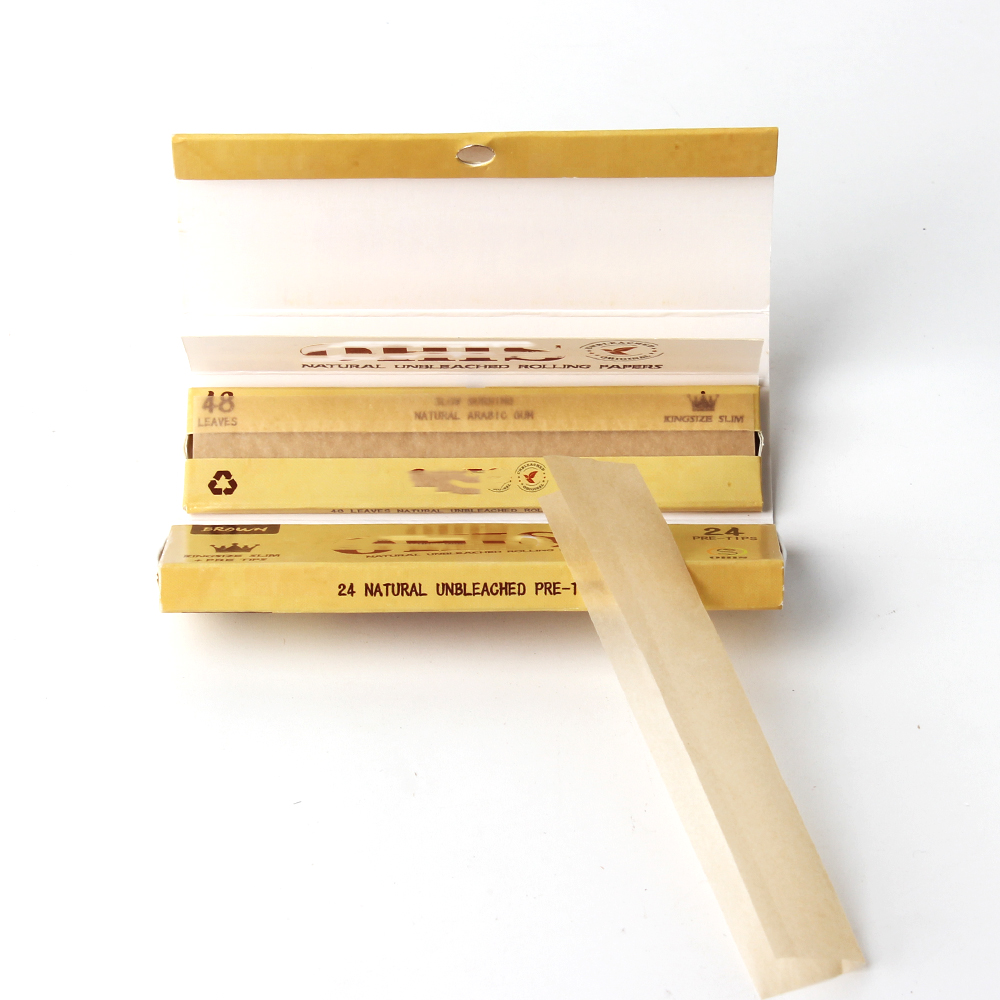
Achieving the perfect balance between burn rate and thickness is essential when working with king size slim custom rolling papers. The way your paper burns directly impacts the smoking experience, while thickness determines durability and handling ease. Understanding these two critical properties helps manufacturers, distributors, and end users select or produce papers that deliver consistent, enjoyable results every time.
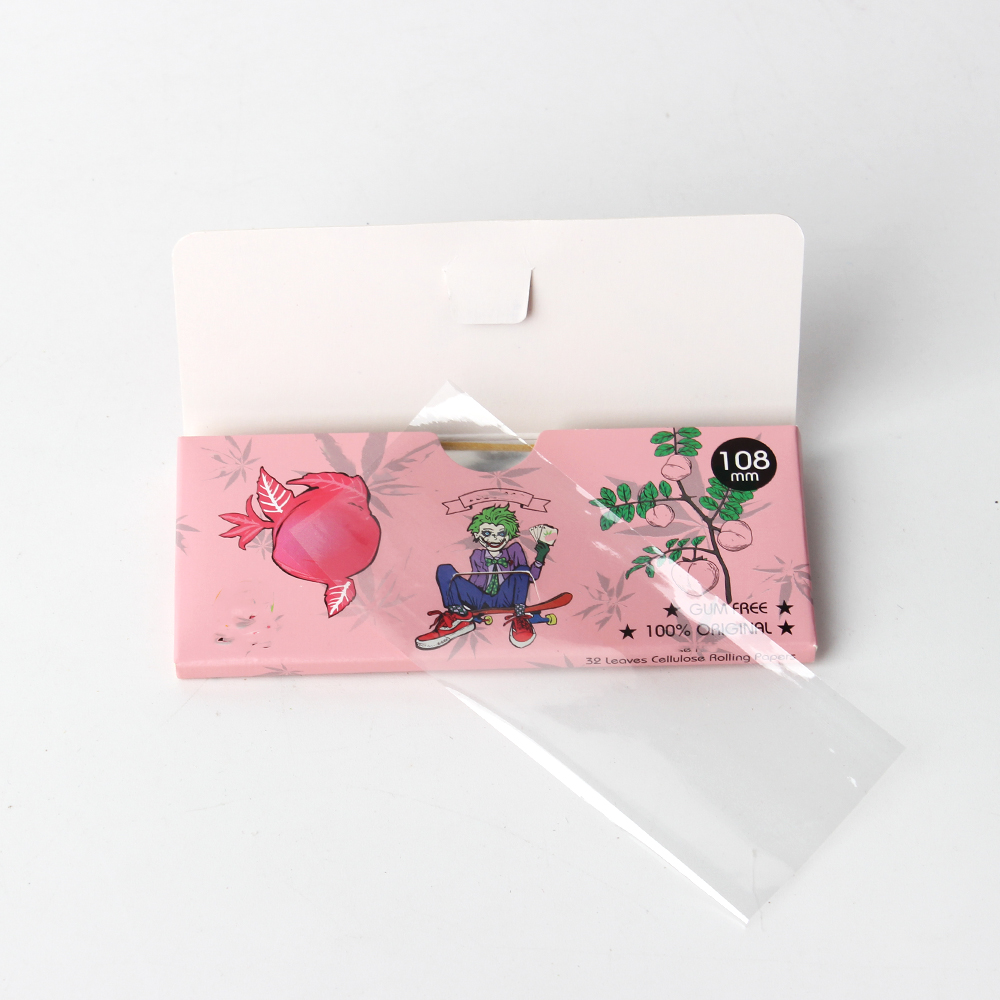
The science behind king size slim papers combines material composition, processing techniques, and chemical formulation. These ultra thin custom paper products must maintain structural integrity while burning at a controlled pace. Modern slow burn slim paper technology has revolutionized the industry, allowing manufacturers to deliver premium branded booklet solutions that meet diverse consumer expectations and regulatory standards.
Burn rate refers to how quickly the paper combusts during use. A properly calibrated burn rate ensures that the paper burns evenly and consistently, preventing tunneling or runs that diminish the experience. When slow burn slim paper is engineered correctly, users benefit from extended duration and stable ash formation. The burn rate depends on several factors, including the density of the cellulose fibers, the presence of natural gums, and any proprietary additives used in manufacturing.
Papers that burn too quickly create several problems. Users experience rapid consumption of material, shorter session duration, and uneven heat distribution. Conversely, papers that burn too slowly can feel thick or unnatural. The ideal slow burn slim paper achieves equilibrium, allowing users to control their experience without frustration. Many consumers now prefer branded booklet options that explicitly guarantee controlled burn characteristics, reflecting the growing importance of this specification in the marketplace.
The composition of king size slim papers determines burn characteristics more than any other factor. Premium ultra thin custom paper typically uses pure wood pulp combined with natural gums derived from plants. These materials burn at predictable rates when processed under strict quality control. Manufacturers often adjust the weight and density to fine-tune burn profiles, creating slow burn slim paper that appeals to discerning users.
Additives play a crucial role in burn optimization. Some papers incorporate calcium carbonate or other minerals to reduce alkalinity and stabilize combustion. Others use proprietary plant-based compounds to enhance the burning experience. When combined with proper thickness calibration, these additives help ensure that king size slim custom rolling papers deliver reliable performance across different usage patterns and environmental conditions.
Thickness in ultra thin custom paper represents a delicate engineering challenge. King size slim papers must be thin enough to feel premium and burn efficiently, yet thick enough to resist tearing during rolling and handling. Most premium slow burn slim paper measures between 0.045 and 0.065 millimeters, a range that balances these competing demands. Branded booklet products typically specify their thickness as a key marketing differentiator.
Thinner papers offer several advantages. They produce minimal ash, create cleaner combustion, and feel more refined in hand. However, excessive thinness compromises durability and creates handling difficulties. The optimized thickness for king size slim custom rolling papers represents the sweet spot where users experience premium feel without sacrificing structural integrity. Manufacturers invest heavily in precision equipment to maintain consistent thickness across every sheet in a production batch.
Consistency in thickness separates premium slow burn slim paper from inferior alternatives. Variations in thickness create unpredictable burn patterns and uneven thickness perception. Modern manufacturing uses advanced caliper systems that measure thickness in real time and automatically adjust rollers to maintain target specifications. This technology allows producers of ultra thin custom paper to guarantee uniformity that delights consumers.
Quality control in branded booklet production involves rigorous testing protocols. Manufacturers sample papers throughout production runs, measuring not only thickness but also tensile strength and tear resistance. These tests ensure that king size slim papers maintain optimal performance characteristics. When consumers receive papers that feel consistent sheet to sheet, they develop brand loyalty and confidence in the product line.
Creating king size slim custom rolling papers that excel in both burn rate and thickness requires integrated design thinking. Manufacturers must select raw materials that naturally align these properties, then apply processing techniques that enhance both characteristics simultaneously. Ultra thin custom paper that burns too quickly often feels too thin, while slow burn slim paper sometimes feels heavier than desired.
The solution lies in understanding how material composition influences both dimensions. Pure cellulose fibers naturally support slower combustion when processed to optimal density. When combined with the right gums and additives, these fibers can achieve the thinness consumers demand without sacrificing burn control. Premium branded booklet manufacturers invest in research and development to discover formulations that achieve this balance, often patenting their techniques to maintain competitive advantages.
Comprehensive testing ensures that slow burn slim paper meets specifications for both burn rate and thickness. Standard burn tests involve igniting samples and measuring combustion time and consistency. Thickness measurements use precision calipers that provide accurate readings to four decimal places. King size slim papers must pass multiple rounds of testing before reaching consumers, ensuring that every branded booklet delivers expected performance.
Many manufacturers conduct accelerated aging tests to verify that ultra thin custom paper maintains its properties over time. Papers stored in various humidity and temperature conditions are retested to ensure burn rate and thickness stability. This commitment to quality assurance demonstrates why premium king size slim custom rolling papers command higher prices than generic alternatives. Users who invest in tested, certified products enjoy consistent experiences that justify the investment.
The ideal burn rate for king size slim custom rolling papers typically ranges from moderate to slow, allowing users to control consumption while enjoying smooth, even combustion. Slow burn slim paper should burn at a consistent pace without tunneling or running. Different users prefer different burn speeds, which is why manufacturers offer variations within the slow burn category. Premium ultra thin custom paper often undergoes burn testing to certify that it meets specific performance windows, helping consumers choose products aligned with their preferences.
Thickness in ultra thin custom paper directly impacts ease of rolling and handling. Papers that are too thin become fragile and tear easily during the rolling process, frustrating users. King size slim papers that maintain optimal thickness provide enough body to handle smoothly without feeling heavy or artificial. Most users prefer papers that feel delicate yet resilient, a balance that premium branded booklet manufacturers achieve through precision manufacturing and quality control processes.
While burn rate and thickness are related through material properties, they can be partially adjusted independently through careful formulation and processing. Manufacturers of slow burn slim paper use specific additives and fiber compositions to influence burn characteristics separately from thickness. However, extreme adjustments to one property typically affect the other. This is why reputable producers of king size slim custom rolling papers consider both factors holistically, ensuring that ultra thin custom paper delivers excellent performance across all relevant specifications.