EN
EN

preventing-cone-deformation-during-automated-filling-and-packing-processes, preventing-cone-deformation-during-automated-filling-and-packing-processes, /news
EN
2026/08/17
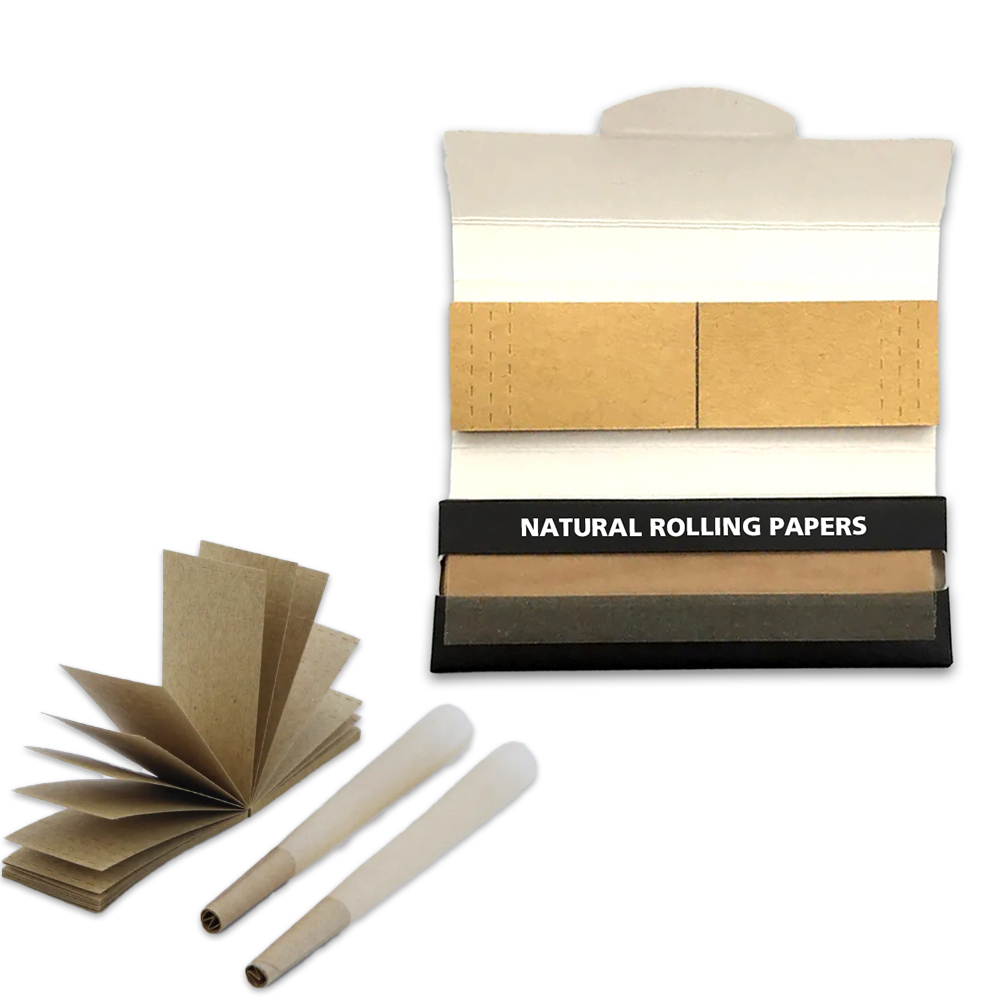
Automated filling and packing processes demand precision, consistency, and careful attention to product integrity. When working with pre rolled cones, manufacturers face a critical challenge: preventing deformation during high-speed production cycles. Deformed cones compromise product quality, reduce shelf appeal, increase customer returns, and damage brand reputation in the competitive cannabis and herbal product market.

Preventing cone deformation requires a multifaceted approach that addresses mechanical stress, material selection, equipment calibration, and handling protocols. Understanding the root causes of structural failure and implementing targeted solutions enables producers to maintain cone integrity throughout automated workflows. This guide explores proven strategies for protecting pre rolled cones from compression, warping, and damage during filling and packing operations.
Pre rolled cones experience multiple points of mechanical stress in automated systems. Compression forces occur when cones move through filling tubes, conveyor systems, and packing machinery. Lateral pressure from cone filter integration mechanisms can warp delicate paper structures if tolerances are not precisely calibrated. Vibration from high-speed machinery transmits cumulative stress into cone walls, particularly at weak points near the filter tip and along seams.
Thermal stress adds another dimension to deformation risk. Heat from friction during rapid processing, combined with humidity fluctuations in production environments, causes paper to expand, contract, and lose structural rigidity. Structural paper cones with inadequate thickness or poor-quality materials become increasingly vulnerable to these combined forces. Manufacturers must identify which stresses dominate their specific production workflow to apply targeted prevention measures.
Even minor cone deformation creates cascading operational problems. Warped cones jam in filling equipment, causing production stoppages and costly downtime. Misaligned tips prevent proper cone filter integration, reducing packing speed and accuracy. Compressed cones hold material unevenly, affecting product consistency and customer satisfaction. Quality control systems must either reject deformed units, reducing yield, or ship compromised products that damage customer perception and generate returns.
The foundation of deformation prevention begins with material quality. Structural paper cones manufactured from premium-grade cellulose exhibit superior resistance to compression, moisture absorption, and thermal stress compared to standard alternatives. Higher paper weight and tighter fiber density distribute mechanical forces more effectively across cone walls. Quality suppliers provide consistent material specifications, including basis weight, burst strength, and moisture content ratings that ensure predictable performance in automated systems.
Material certification and supplier audits are essential for maintaining consistent cone quality. Cones sourced from reputable manufacturers undergo rigorous testing for structural integrity, dimensional accuracy, and compatibility with common filling and packing equipment. Pre rolled cones from suppliers with documented quality control processes reduce variable deformation issues caused by manufacturing defects. Establishing long-term supplier partnerships enables collaborative refinement of material specifications to match your specific production demands.
Pre rolled cones rely on seams to maintain structural integrity under stress. Weak seams are primary failure points during automated processing. High-quality cone seams use specialized adhesives formulated to withstand moisture, temperature variation, and mechanical pressure without degrading. Seam inspection processes should verify consistent bond width, uniform adhesive application, and complete seam coverage along the entire cone length.
Testing seam integrity involves simulating production stresses in laboratory conditions before full-scale automation deployment. Burst pressure tests, compression cycles, and vibration stress tests reveal whether cone seams will hold under operational loads. Cones that fail these validation tests should be rejected before entering production. Material suppliers often provide test data; request documentation of seam performance under simulated filling and packing conditions.
Tip alignment is critical for preventing deformation during cone filter integration and subsequent packing stages. Misaligned tips create lateral forces that warp cone geometry, weaken seams, and cause jamming in automated systems. Modern filling equipment incorporates vision systems and mechanical guides to ensure consistent tip alignment before each processing stage. Regular calibration of these alignment mechanisms prevents gradual drift that accumulates into significant deformation problems.
Pre rolled cones enter automated systems with inherent dimensional variations within acceptable tolerances. Tip alignment systems must accommodate this variability while maintaining precision. Equipment should include adjustable guides and pressure zones that gently position cone tips without excessive force. Operators should verify alignment settings weekly using dimensional reference samples and documented calibration procedures. Misalignment often develops gradually, so preventive calibration prevents quality degradation before deformation becomes visible.
Cone filter integration mechanisms apply pressure to position filters within cones prior to filling. Excessive pressure directly causes cone deformation, while insufficient pressure misaligns filters, creating problems in downstream processes. Finding the optimal pressure range requires testing on your specific cone materials and equipment. Pressure should be the minimum necessary to achieve secure filter seating without distorting cone structure.
Processing speed influences deformation risk significantly. High-speed operations reduce contact time and increase impact forces on pre rolled cones moving through equipment. Many deformation problems diminish when operators reduce line speed slightly, allowing mechanical systems to operate with smoother acceleration and more gradual pressure application. Speed optimization balances productivity demands against quality requirements; consult equipment manufacturers for recommended speed ranges for your specific cone materials and specifications.
Pre rolled cones absorb moisture from humid environments and dry out in dry conditions, both causing structural changes. Humidity fluctuations of 10-15% relative humidity can meaningfully alter cone stiffness and dimensional stability. Maintaining production areas at 45-55% relative humidity with stable temperature between 68-72 degrees Fahrenheit prevents moisture-related deformation and ensures consistent cone performance throughout processing.
Storage protocols significantly impact cone quality before production. Pre rolled cones stored in sealed, humidity-controlled packaging resist moisture changes during shipping and warehouse holding. Before processing, allow cones to acclimate to production facility conditions for at least 24 hours to reach moisture equilibrium. Cones stored in open environments or exposed to temperature swings arrive at production with compromised structural integrity, making them more susceptible to deformation.
Automated vision inspection systems detect cone deformation before it progresses to production failures. Camera systems positioned at critical processing stages capture cone geometry data and compare against reference standards. Machine learning algorithms identify subtle warping, compression, and misalignment that manual inspection might miss. Early detection enables immediate corrective action, preventing deformed cones from progressing through the system and compromising yield.
Inspection frequency should increase during equipment setup, material transitions, and seasonal humidity changes. Statistical process control charts track deformation trends over time, revealing whether problems stem from equipment drift, material variation, or environmental factors. Regular audits of inspection system accuracy ensure the system reliably identifies defective pre rolled cones before packaging. Integration between inspection systems and sorting equipment enables automated rejection of deformed cones, maintaining quality without reducing production speed.
Equipment drift drives many deformation problems in high-speed automated systems. Preventive maintenance schedules should include regular inspection and re-calibration of mechanical guides, pressure sensors, and alignment components. Worn bearings, misaligned rollers, and loose mounting brackets gradually shift equipment geometry, causing increasing cone deformation over time. Replacing worn components before significant drift occurs prevents quality degradation and maintains consistent production.
Maintenance staff should document baseline measurements for critical dimensions during installation, then track changes through regular inspection cycles. Trend analysis reveals whether equipment degradation is occurring gradually or accelerating. Lubrication schedules, bearing inspections, and mechanical alignment checks should follow equipment manufacturer recommendations tailored to your specific filling and packing system design and processing volume.
The primary causes are excessive compression pressure in filling equipment, misalignment during cone filter integration, and vibration stress from high-speed machinery. Environmental factors including humidity fluctuation and temperature variation also degrade structural paper cone integrity. Most facilities experience multiple concurrent stress sources; identifying which dominates your specific system guides targeted prevention efforts.
Precise tip alignment ensures even force distribution during cone filter integration and packing. Misaligned tips create lateral stress concentrations that warp cone geometry and weaken seams. Properly aligned cones distribute pressure uniformly across structural surfaces, preventing localized deformation. Regular calibration of alignment systems maintains accuracy as equipment components experience normal wear and drift.
Yes, significantly. Humidity directly impacts structural paper cone moisture content and rigidity; deviations of 10-15% relative humidity cause measurable stiffness changes. Temperature fluctuations affect both material properties and equipment calibration. Facilities maintaining stable 45-55% humidity and 68-72 degree temperatures experience substantially fewer cone deformation problems compared to those with variable environmental conditions. Pre rolled cones acclimated to production conditions for 24 hours before processing perform more consistently than cones used immediately after unboxing.