EN
EN

technical-specifications-behind-highcapacity-rolling-paper-booklets, technical-specifications-behind-highcapacity-rolling-paper-booklets, /news
EN
2026/08/06
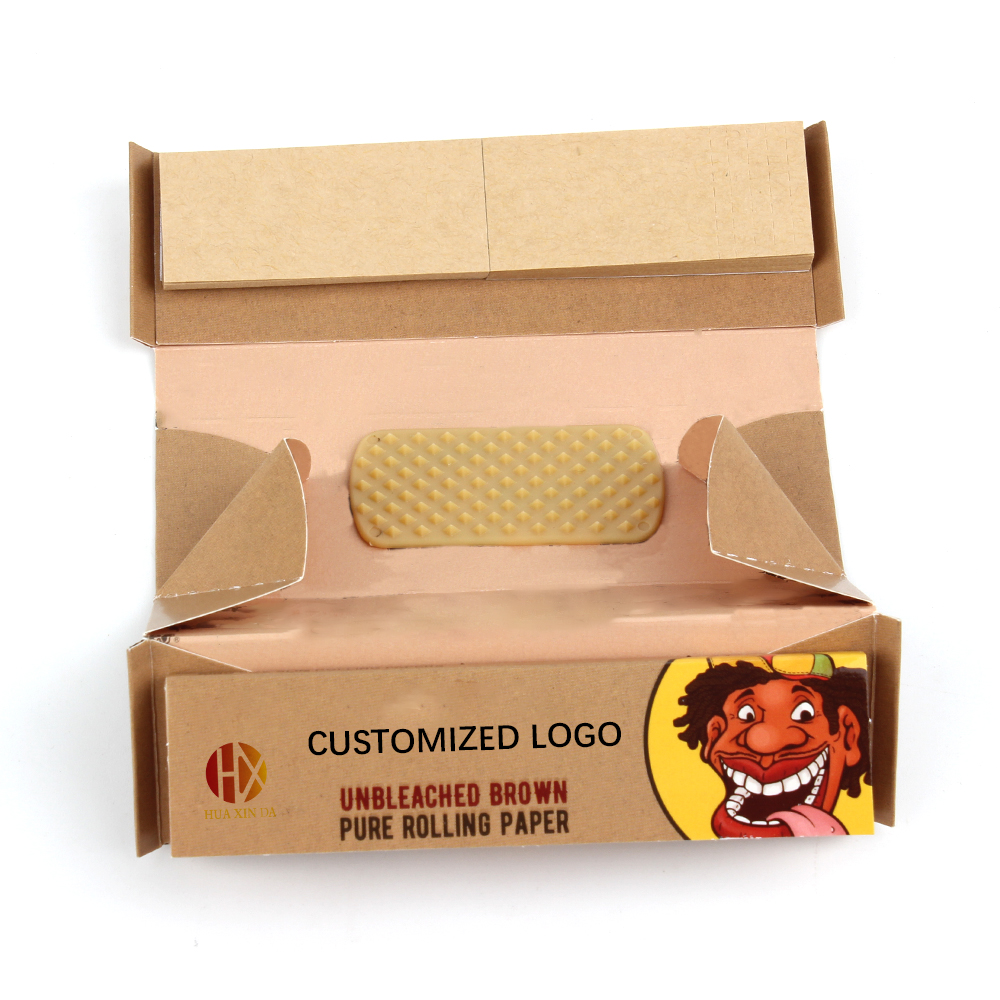
Rolling paper booklets represent a critical component in the smoking accessories industry, combining precision engineering with practical functionality. Understanding the technical specifications behind high-capacity rolling paper booklets is essential for manufacturers, distributors, and consumers seeking to evaluate quality, durability, and performance. These booklets must meet exacting standards for paper composition, binding strength, leaf count consistency, and user experience. The technical details that define rolling paper booklets go far beyond simple packaging, involving carefully calculated measurements, material science principles, and manufacturing tolerances that ensure reliable product performance.
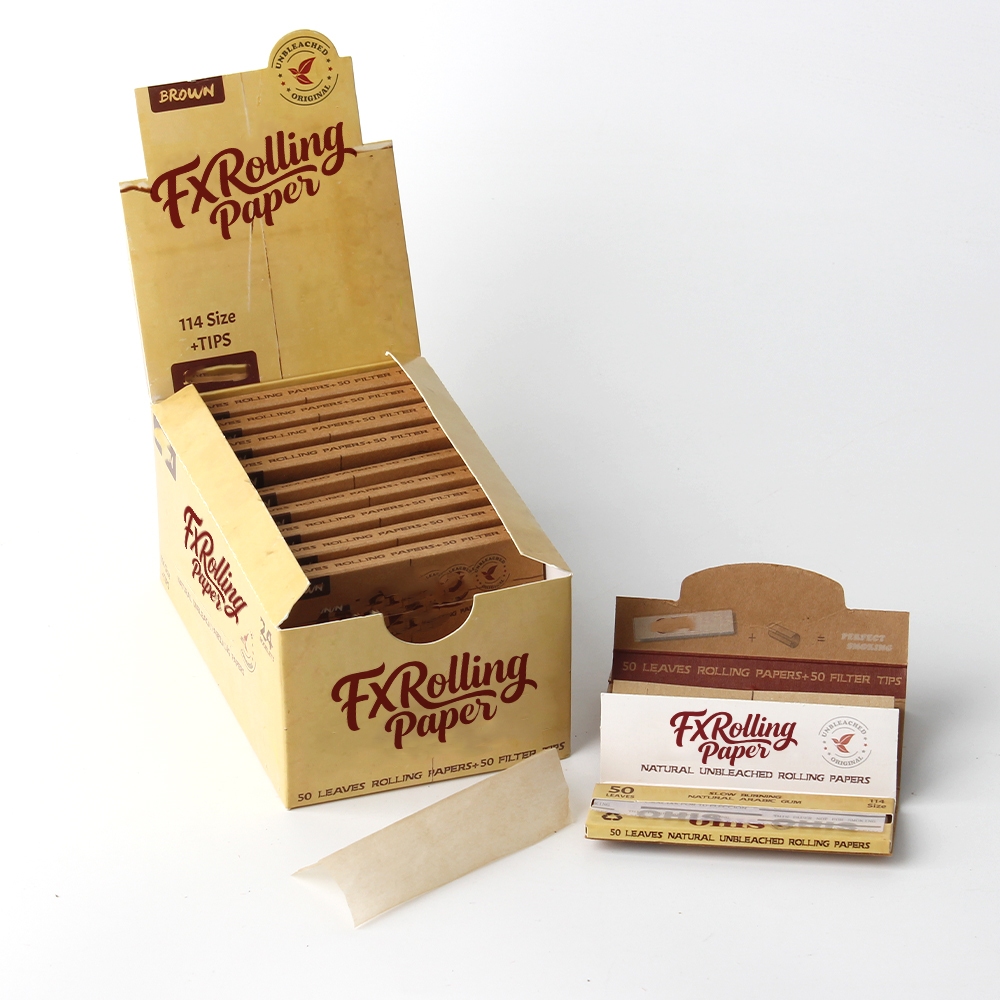
High-capacity rolling paper booklets demand sophisticated manufacturing processes that balance multiple technical factors simultaneously. The specifications encompassing custom booklet design, booklet binding techniques, and paper leaf count variations determine whether a product meets industry expectations or falls short of market demands. Each technical element contributes to the overall user satisfaction, shelf appeal, and competitive positioning within an increasingly sophisticated market segment.
The paper leaf count in rolling paper booklets directly impacts user convenience and product perceived value. Standard booklets typically contain 50 leaves per booklet, though high-capacity variants may feature 75 or 100 leaves. Each leaf's thickness is measured in grams per square meter (gsm), typically ranging between 14 and 20 gsm for premium rolling papers. The consistency of paper leaf count across an entire production run ensures predictable product performance and customer trust. Manufacturers must implement rigorous quality control systems to verify that every booklet meets specified paper leaf count requirements. Variations in leaf count create inventory complications, customer dissatisfaction, and potential returns that damage brand reputation.
Premium rolling paper booklets employ specialized paper compositions designed for optimal burn characteristics and flavor preservation. The base material typically combines wood pulp with plant-derived additives that improve burning consistency without introducing undesirable chemical residues. Paper leaf thickness variations within acceptable tolerance ranges ensure uniform burning rates throughout the booklet. Manufacturing processes must control moisture content between 9 and 11 percent to prevent brittleness or excessive flexibility that impairs rolling performance. Advanced custom booklet design incorporates specific paper treatments that enhance durability during storage while maintaining the delicate balance necessary for proper function. The technical specifications for paper composition directly influence whether a product delivers superior performance or merely meets minimum standards.
Booklet binding represents the structural foundation that holds rolling paper booklets together through repeated use and handling. Modern manufacturing employs several binding methodologies, with sewn binding and adhesive binding representing the primary approaches. Sewn booklet binding provides superior longevity, allowing the booklet to withstand thousands of page-opens without degradation or leaf separation. Adhesive binding techniques using food-grade glues offer cost advantages while maintaining acceptable durability standards. The binding's structural integrity must withstand mechanical stress from storage, transportation, and consumer handling without premature failure. Quality booklet binding ensures leaves remain securely attached throughout the product lifecycle, preventing individual leaves from falling loose or separating prematurely.
Technical specifications for booklet binding include minimum peel-strength measurements, typically ranging between 2 and 5 pounds per inch of binding edge. The binding width, gutter margin, and spine construction must accommodate high-capacity configurations without compromising structural performance. Custom booklet design frequently incorporates reinforced binding zones where stress concentrations develop during normal use. Testing protocols measure how many open-close cycles a booklet withstands before showing visible degradation or leaf separation. Premium rolling paper booklets undergo accelerated aging tests simulating months of storage and handling compressed into rapid testing periods. The binding's fade resistance and adhesion stability ensure the booklet maintains functionality across varying temperature and humidity conditions.
High-capacity rolling paper booklets require precise dimensional control throughout manufacturing processes. Industry standards specify booklet dimensions within tolerances typically ranging from minus 0.5 to plus 0.5 millimeters for length and width measurements. Custom booklet design must ensure that all leaves align perfectly when stacked, creating clean edges that enhance product appearance and functionality. Leaf thickness uniformity becomes critical at high-capacity configurations where stack height increases substantially. Manufacturing equipment must maintain consistent pressure and temperature profiles to prevent warping, curling, or misalignment during the booklet assembly process. Rigorous measurement protocols verify that every produced booklet meets specification requirements before distribution to market.
Comprehensive quality assurance programs test rolling paper booklets across multiple performance dimensions before market release. Paper leaf count verification requires counting sample booklets from each production batch to confirm accuracy and consistency. Binding strength testing employs mechanical instruments that measure the force required to separate leaves from the binding, ensuring each booklet meets minimum durability standards. Moisture content analysis using calibrated equipment verifies that paper maintains optimal moisture levels for performance. Burn rate testing evaluates how uniformly the paper burns, identifying potential quality issues before products reach consumers. Custom booklet design specifications include documentation detailing all technical parameters and tolerance ranges, enabling manufacturers to maintain consistency across production runs and market variations.
High-capacity rolling paper booklets contain significantly more leaves per booklet than standard versions, typically featuring 75 to 100 leaves compared to standard 50-leaf configurations. The increased paper leaf count requires enhanced booklet binding techniques to maintain structural integrity under additional weight and stress. Custom booklet design must account for the larger stack height, ensuring consistent leaf alignment and binding performance throughout the extended booklet structure.
Superior booklet binding directly extends product usability and customer satisfaction by preventing premature leaf separation and structural failure. Quality binding methods ensure that rolling paper booklets maintain functionality through extended storage periods and frequent handling. Poor binding quality typically leads to individual leaves detaching, creating user frustration and negative product reviews that damage brand reputation.
Consistent paper leaf count ensures predictable user experience and maintains consumer trust in product quality and reliability. Variations in leaf count create inventory management complications and customer dissatisfaction, as users expect consistent value in each booklet. Custom booklet design specifications include strict paper leaf count requirements that manufacturers must verify through rigorous quality control testing procedures.