EN
EN

what-buyers-should-know-about-natural-fiber-preroll-cones, what-buyers-should-know-about-natural-fiber-preroll-cones, /news
EN
2026/09/14
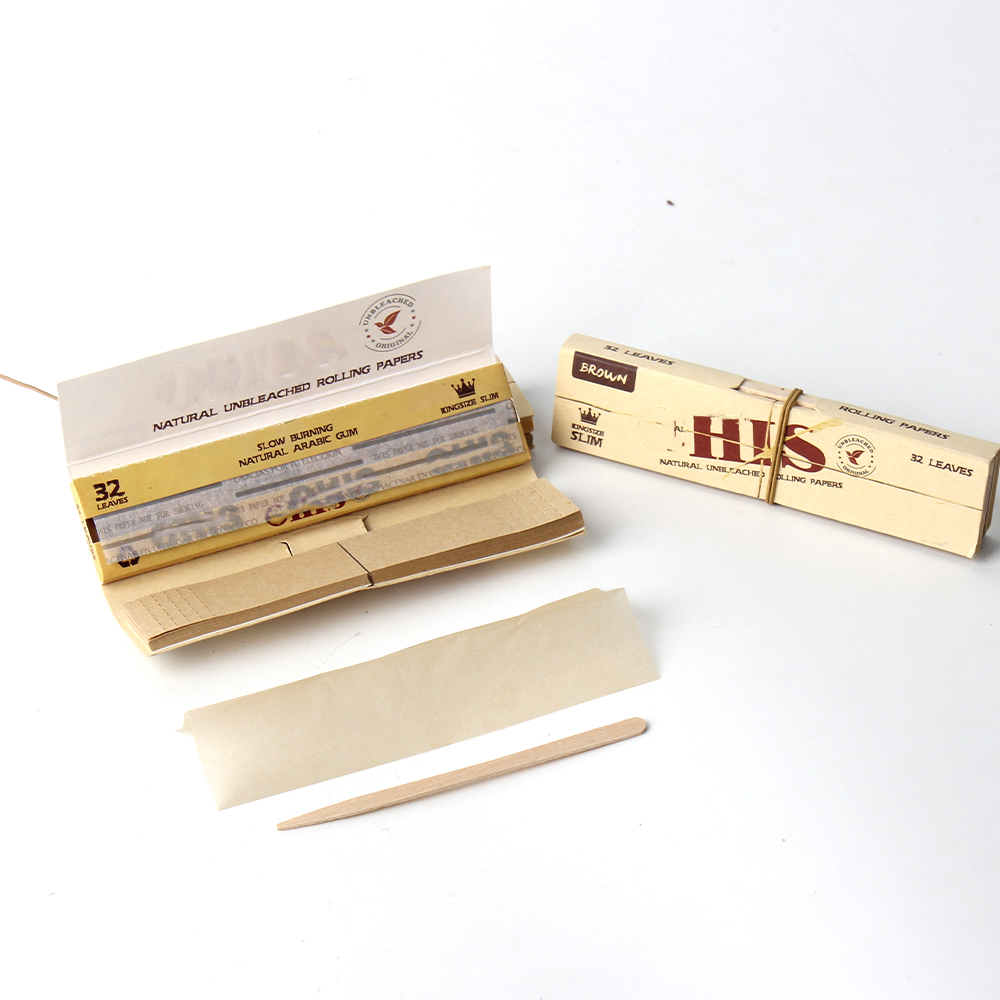
B2B buyers evaluating pre roll cones face multiple critical decisions that directly impact product quality, customer satisfaction, and operational efficiency. Understanding the nuances of natural fiber cones has become essential in today's competitive market, where product differentiation and supplier reliability drive purchasing success. The shift toward natural fiber materials reflects changing consumer preferences, regulatory pressures, and sustainability concerns that define modern sourcing strategies for cannabis and botanical product manufacturers.
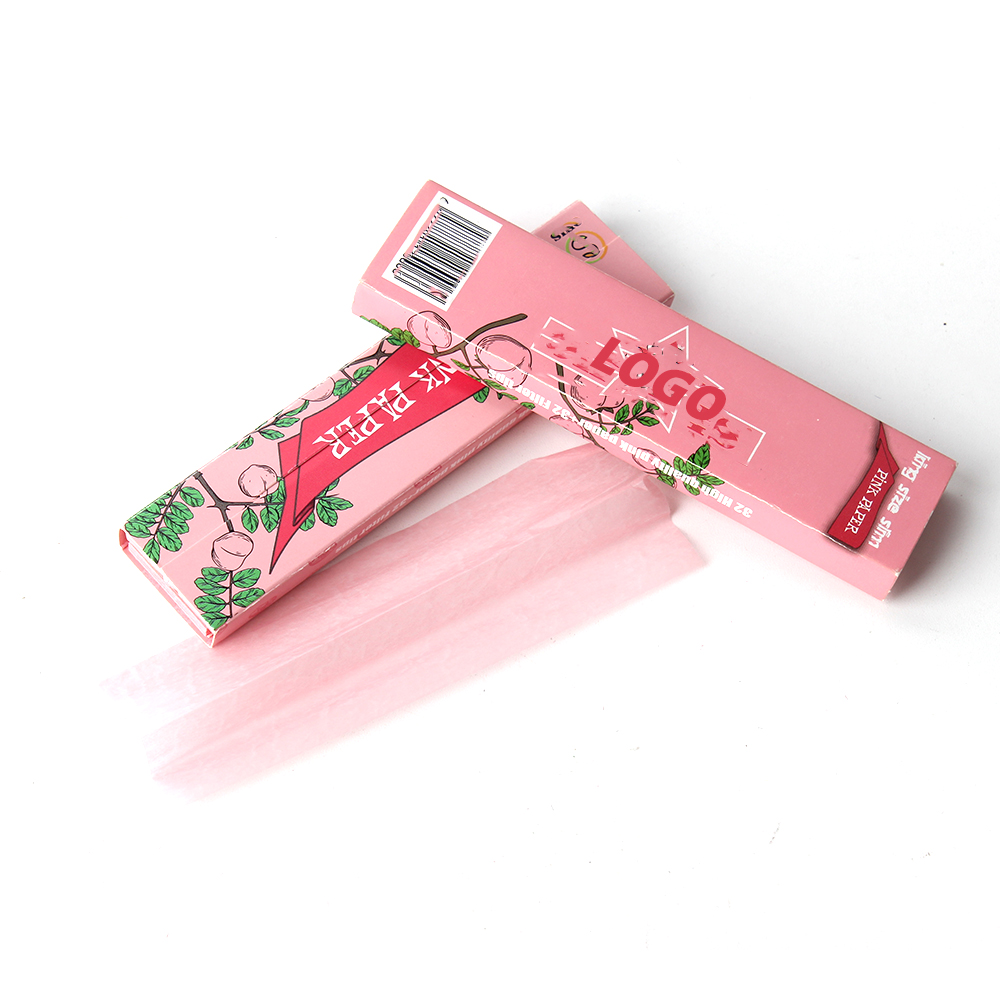
Selecting the right pre roll cones supplier requires deep knowledge of material characteristics, manufacturing processes, and supply chain dynamics. Natural fiber cones represent a significant category within the smoking accessories market, and their performance directly influences end-user experience. B2B buyers must evaluate factors including cone consistency, burn rate, flavor retention, and supplier capacity to make informed purchasing decisions that align with business objectives and customer expectations.
Natural fiber cones are manufactured from plant-based materials, primarily using wood pulp and plant cellulose derived from sustainable sources. Material sourcing stands as a foundational consideration for B2B buyers, as the origin and processing of raw materials directly impact product quality, regulatory compliance, and brand positioning. Reputable suppliers maintain transparent material sourcing practices, documenting fiber origins and processing methods to ensure consistency and traceability throughout the supply chain.
The quality of natural fiber cones begins with rigorous material sourcing protocols. Suppliers source cellulose fibers from bleached and unbleached wood pulp, agricultural residues, and certified sustainable forestry operations. Processing standards determine whether cones meet industry specifications for uniformity, structural integrity, and performance consistency. B2B buyers should verify that suppliers implement quality control measures at each production stage, from raw material inspection through final packaging. These standards ensure that every cone meets burn rate specifications, maintains structural stability, and delivers the expected smoking experience that end consumers demand.
Natural fiber cones sourced from certified sustainable operations appeal to environmentally conscious buyers and align with evolving regulatory frameworks across jurisdictions. B2B buyers benefit from understanding their supplier's environmental certifications, whether materials comply with local sourcing regulations, and how material sourcing practices support long-term supply security. Sustainable material sourcing reduces environmental impact while strengthening brand reputation and customer loyalty in markets where eco-conscious purchasing decisions influence market share and competitive positioning.
Slow burn characteristics define the consumer experience and directly correlate with product satisfaction ratings and repeat purchases. Pre roll cones engineered for slow burn deliver consistent smoking experiences that meet customer expectations and justify premium pricing. The slow burn property emerges from specific material composition, paper thickness, and manufacturing precision that B2B buyers must understand when evaluating supplier capabilities and product consistency.
The slow burn quality of natural fiber cones depends on carefully balanced material composition and manufacturing tolerances. Natural fibers burn more slowly than synthetic alternatives due to cellulose's inherent combustion properties and density characteristics. Suppliers achieve consistent slow burn performance by controlling fiber length, pulp mixture ratios, and moisture content during manufacturing. Pre roll cones with optimized material composition deliver predictable burn rates that improve consumer satisfaction and reduce complaints about uneven burning or excessive speed. B2B buyers should request burn rate documentation and sample testing results before committing to large purchase volumes, ensuring that supplier quality matches product specifications and customer requirements.
Verifying slow burn performance requires standardized testing protocols that B2B buyers can trust for accurate product assessment. Reputable suppliers conduct burn time testing under controlled laboratory conditions, measuring burn rate in minutes per gram and identifying any performance variations across production batches. Consistency in slow burn performance reduces customer complaints and supports positive brand reviews that drive repeat business and market expansion. Buyers should establish clear performance benchmarks with suppliers, including acceptable burn rate ranges and batch-to-batch tolerance specifications that align with end-consumer expectations and market standards.
B2B buyers must evaluate multiple factors when selecting pre roll cone suppliers, balancing quality requirements, pricing, volume capacity, and long-term business alignment. Effective supplier evaluation processes reduce risk, ensure product consistency, and support sustainable business growth across markets and customer segments. Natural fiber cones represent a significant investment in product quality and brand positioning, making supplier selection decisions critical to overall business success.
Supplier capacity to meet volume commitments and maintain delivery schedules directly impacts buyer operations and customer satisfaction. B2B buyers should verify supplier production capacity, inventory levels, and logistics capabilities before establishing partnerships. Reliable suppliers maintain consistent production schedules, manage inventory strategically, and communicate proactively about potential supply disruptions. Long-term partnerships with suppliers who demonstrate reliability reduce operational risk and support predictable business growth as market demand fluctuates. Buyers should establish clear performance metrics with suppliers, including on-time delivery rates, quality consistency scores, and communication protocols for addressing production or shipping issues.
Cost structure and commercial terms significantly influence buyer profitability and cash flow management. Natural fiber cones carry higher material costs than synthetic alternatives, but superior quality and consumer preference often justify premium pricing. B2B buyers should negotiate minimum order quantities that align with their operational capacity and demand forecasts, avoiding excessive inventory while maintaining adequate stock levels. Payment terms, volume discounts, and long-term pricing agreements provide financial flexibility and predictability. Transparent pricing structures that reflect material sourcing costs, manufacturing standards, and supply chain complexity help buyers understand value propositions and make informed purchasing decisions aligned with business budgets and growth objectives.
Suppliers providing comprehensive quality documentation and third-party certifications offer confidence in product consistency and regulatory compliance. B2B buyers should request certificates of analysis, testing reports for slow burn performance, and documentation confirming material sourcing standards. Quality certifications validate supplier claims and support buyer confidence in product specifications. Access to detailed testing data enables buyers to verify that natural fiber cones meet specified performance standards and comply with local regulations governing smoking accessories. Buyers should establish quality agreements with suppliers that include clear specifications, acceptable tolerance ranges, and procedures for addressing non-conforming batches.
Natural fiber cones deliver superior consumer experience through consistent slow burn characteristics, better flavor preservation, and environmental sustainability. B2B buyers gain competitive advantage by offering natural fiber products that meet growing consumer preference for eco-conscious smoking accessories. Material sourcing from sustainable sources strengthens brand positioning and appeals to environmentally aware customers. Superior quality justifies premium pricing, improving profit margins and supporting long-term business growth in competitive markets where product differentiation drives customer loyalty and market share expansion.
Effective verification requires requesting detailed documentation about material sourcing origins, sustainability certifications, and processing standards from potential suppliers. B2B buyers should conduct facility visits, review third-party audit reports, and assess supplier communication responsiveness. Credible suppliers maintain transparent supply chains with clear documentation tracing materials from source to finished product. Establishing direct relationships with suppliers and requesting references from existing clients provides valuable insights into reliability and product consistency. Buyers should also verify that suppliers comply with relevant industry standards and regulatory requirements applicable in target markets.
Industry standard slow burn performance typically ranges from 8 to 12 minutes per gram, though specifications vary based on product size and consumer preferences. B2B buyers should establish clear burn rate ranges acceptable for their market and customer base, communicating these specifications in written agreements with suppliers. Regular testing of production batches confirms that slow burn performance remains consistent and meets agreed specifications. Buyers should require suppliers to provide burn rate documentation for each production batch and establish procedures for addressing non-conforming products. Clear performance benchmarks reduce disputes, support quality consistency, and ensure that natural fiber cones deliver the consumer experience that drives customer satisfaction and business success.