EN
EN
what-to-confirm-before-switching-preroll-cone-suppliers, what-to-confirm-before-switching-preroll-cone-suppliers, /news
EN
2026/09/08
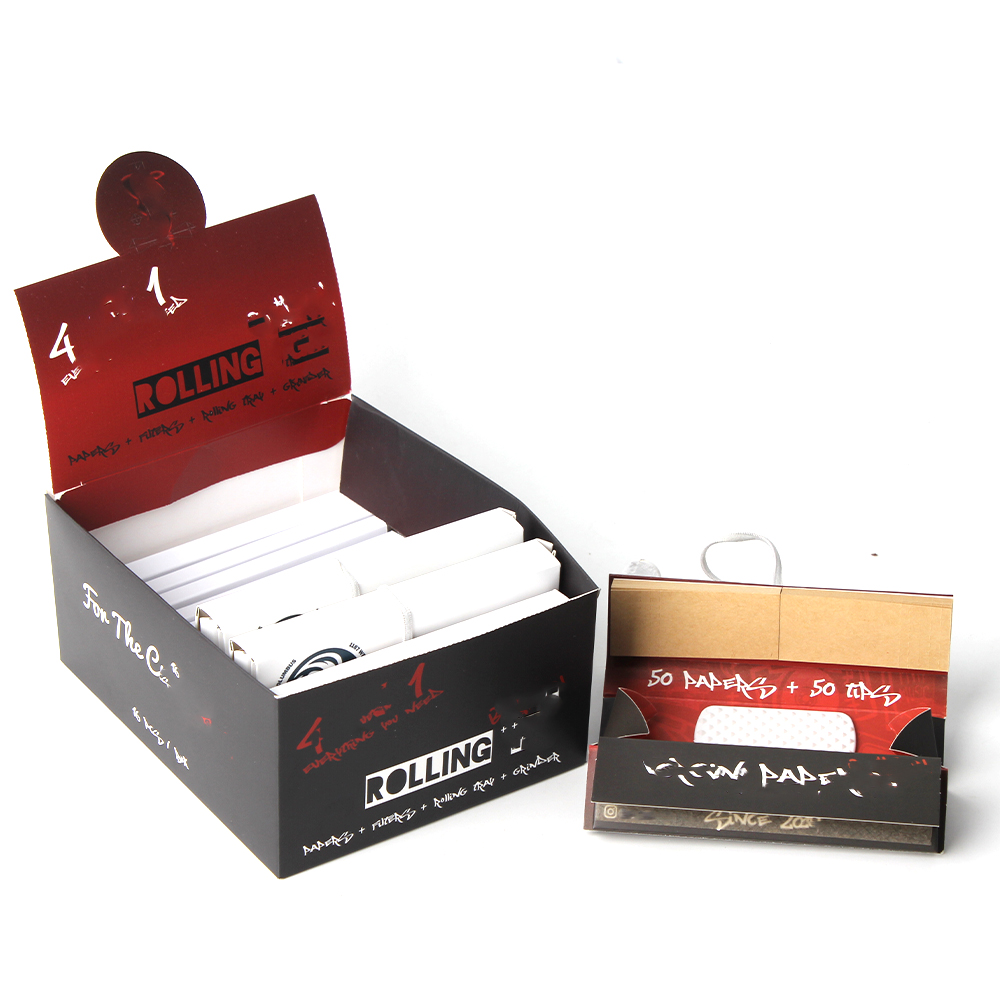
Switching to a new pre rolled cones supplier is a significant operational decision that requires careful evaluation. Your current supplier relationship likely represents months or years of established workflows, quality agreements, and inventory coordination. Moving to a different vendor introduces uncertainty and demands thorough due diligence before you commit. Understanding what to confirm during supplier switching protects your production schedule, maintains product quality, and prevents costly disruptions that could damage your business reputation.
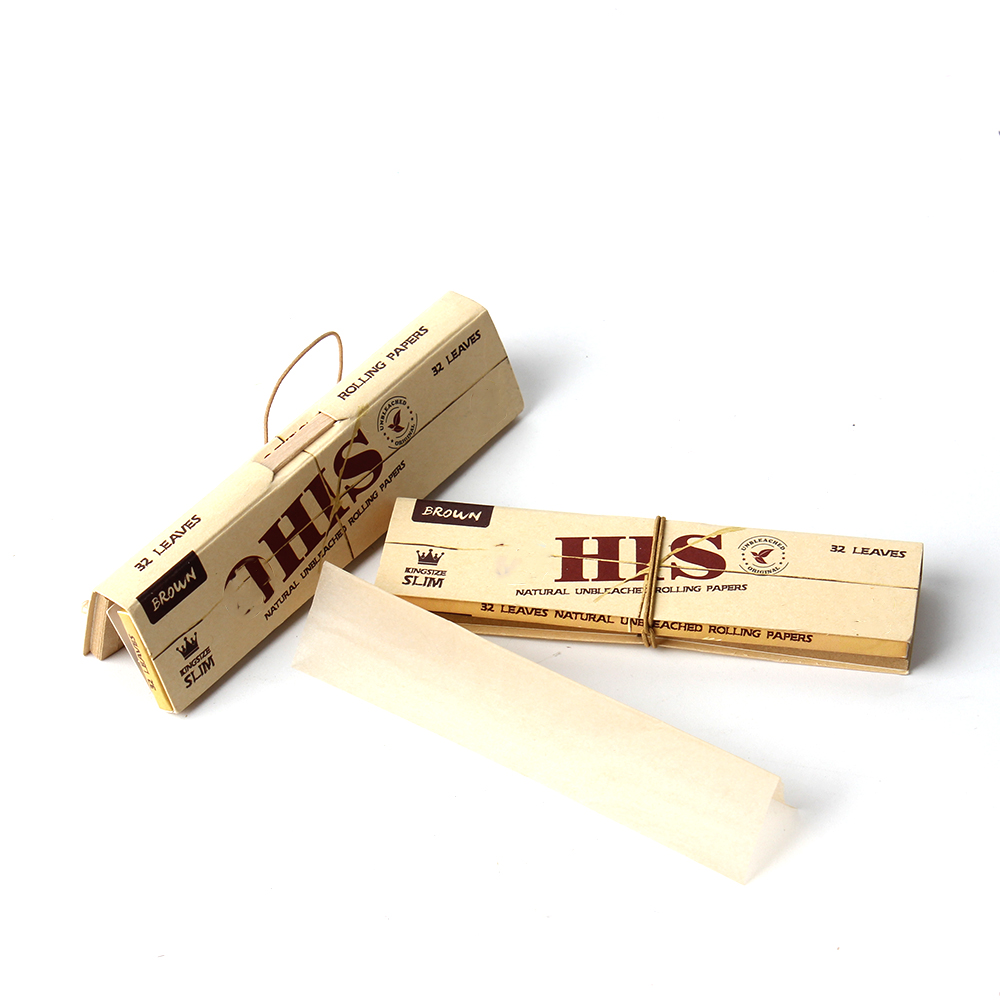
The risks of supplier switching extend beyond price negotiation. Quality consistency, specification control, and inventory risk all demand careful attention. A new supplier may operate under different manufacturing standards, use alternative materials, or maintain different quality assurance protocols. These differences can cascade through your entire operation if not properly verified beforehand. This article walks through the essential confirmations you must secure before making the transition.
Material quality forms the foundation of every successful pre rolled cones supplier relationship. Before switching suppliers, request detailed material composition documentation, including paper type, adhesive formulation, and any specialty coatings or treatments. Compare these specifications directly against your current supplier's standards. Many manufacturers source materials from different suppliers themselves, which can introduce subtle variations that affect burn rate, taste, and overall consumer experience. Request samples from your prospective pre rolled cones supplier and conduct side-by-side testing with your current product line.
Ask your potential supplier for third-party testing reports that verify material safety, contaminant levels, and consistency metrics. Regulatory compliance varies by market, so confirm that your new supplier's materials meet all local and federal requirements applicable to your distribution regions. Some jurisdictions require specific testing protocols or certification standards. Ensuring specification control during this evaluation phase prevents discovering compliance issues after you have already committed to the new supplier.
Understanding your prospective supplier's production process directly impacts quality consistency. Request a facility tour or video walkthrough to observe manufacturing conditions, equipment maintenance schedules, and quality checkpoints. Suppliers with robust quality assurance programs typically implement in-process testing, final product inspection, and batch traceability systems. Ask about their acceptance criteria for cone dimensions, adhesive application, and structural integrity. Quality consistency depends on whether their production equipment is regularly calibrated and whether their workforce follows standardized procedures.
Discuss how the supplier handles quality failures and defect rates. A responsible pre rolled cones supplier should maintain documentation of reject rates, root cause analysis processes, and corrective actions. Request their average defect rate and compare it against your current supplier's performance. This information reveals whether the new supplier can maintain the quality consistency your customers expect. Additionally, confirm their ability to trace products back to specific production batches, which becomes critical if quality issues arise after you switch.
Specification control ensures that your pre rolled cones supplier delivers exactly what you need, not a close approximation. Create a detailed specification document that includes cone diameter, length, paper thickness, adhesive coverage, and burn characteristics. Provide this document to your prospective supplier and request written confirmation that they can meet every specification consistently. Many suppliers default to their standard production parameters rather than accommodating client-specific requirements. Clarify whether they charge setup fees for custom specifications and whether they maintain minimum order quantities for customized runs.
Request certificates of conformance (CoCs) for each shipment, which document that the delivered products meet the agreed specifications. Establish clear protocols for how samples will be tested and which party bears responsibility for testing costs. Some suppliers include testing in their standard service, while others charge separately. Discuss specification tolerance ranges and define what constitutes acceptable variance. For example, is a diameter variance of 0.5mm acceptable, or do you require tighter tolerances? Getting these details in writing prevents misunderstandings that could undermine quality consistency after you commit to the supplier.
Different markets impose varying regulatory requirements on cone materials and production practices. Confirm that your prospective pre rolled cones supplier understands all compliance obligations in your target markets. This includes restrictions on certain adhesives, requirements for organic or sustainable materials, and labeling requirements. Request documentation proving their compliance status with relevant regulations such as FDA guidelines if applicable in your jurisdiction. Some suppliers may operate under different standards in different regions, so verify their certification for your specific market.
Discuss how the supplier handles changes to regulations or new compliance requirements that might emerge. A reliable supplier should have systems in place to monitor regulatory changes and communicate updates to clients. Confirm whether they charge additional fees for compliance-related adjustments or whether such changes are incorporated into standard service. Understanding specification control boundaries and regulatory responsibilities prevents costly surprises later.
Inventory risk directly impacts your cash flow and operational flexibility. Before switching suppliers, confirm minimum order quantities (MOQs), lead times, and order frequency options. If your new supplier requires larger minimum orders than your current supplier, your inventory carrying costs increase. Conversely, longer lead times mean you must forecast demand further in advance, increasing the risk of overstock or stockouts. Discuss how the supplier handles rush orders, expedited shipping options, and whether they maintain safety stock for emergency supplies.
Ask about supplier switching costs if the relationship does not work out. Some suppliers impose restocking fees or charge for unused materials if you terminate early. Understanding these exit costs as part of your supplier switching evaluation ensures you are not locked into an unfavorable arrangement. Confirm the terms of service, cancellation policies, and whether the supplier offers flexibility if your business needs change within the first year.
Assess your prospective pre rolled cones supplier's supply chain stability and their ability to handle disruptions. Ask about their sourcing relationships for raw materials, whether they rely on single suppliers for critical inputs, and what contingency plans they maintain. If your supplier depends on a single paper mill or adhesive vendor, supply disruptions at those sources could affect your ability to receive cones. Request information about their geographic diversification, inventory buffers, and backup suppliers for critical materials.
Discuss how the supplier communicates with customers during supply chain disruptions. A supplier with strong communication protocols and proactive inventory management reduces inventory risk for your business. Confirm their track record of meeting delivery commitments, their average on-time delivery percentage, and whether they have experienced major supply chain disruptions in the past three years. This information helps you assess whether switching suppliers will actually reduce or increase your overall supply chain risk.
Request detailed material composition documentation, third-party testing reports, facility information, quality assurance procedures, certificates of conformance, compliance certifications, minimum order quantities, lead times, and supply chain stability information. A comprehensive evaluation package should include samples for testing, written specification confirmations, pricing structures, and documented service level agreements. The more documentation you collect upfront, the lower your risk of discovering problems after you have already made the transition to the new pre rolled cones supplier.
Start with a smaller initial order to test quality consistency and delivery reliability before committing to larger quantities. Negotiate for flexible minimum order quantities during your first few orders, allowing you to reduce inventory risk as you verify the supplier's performance. Confirm lead times and plan your inventory accordingly. Maintain communication with your previous supplier until you are confident the new supplier is meeting all your requirements consistently. This overlap period provides a safety net if quality or delivery issues arise with the new supplier.
Create a detailed specification document covering dimensions, materials, and performance characteristics, then request written confirmation that the new supplier can meet all requirements consistently. Verify compliance status for all your target markets and request updated documentation as regulations change. Establish clear protocols for quality testing and acceptance criteria. Confirm whether the supplier will provide certificates of conformance for each shipment. Address regulatory responsibility allocation in your service agreement so both parties understand their obligations regarding specification control and compliance management.