EN
EN

why-unbleached-fibers-alter-the-burn-rate-of-preroll-cones, why-unbleached-fibers-alter-the-burn-rate-of-preroll-cones, /news
EN
2026/08/11
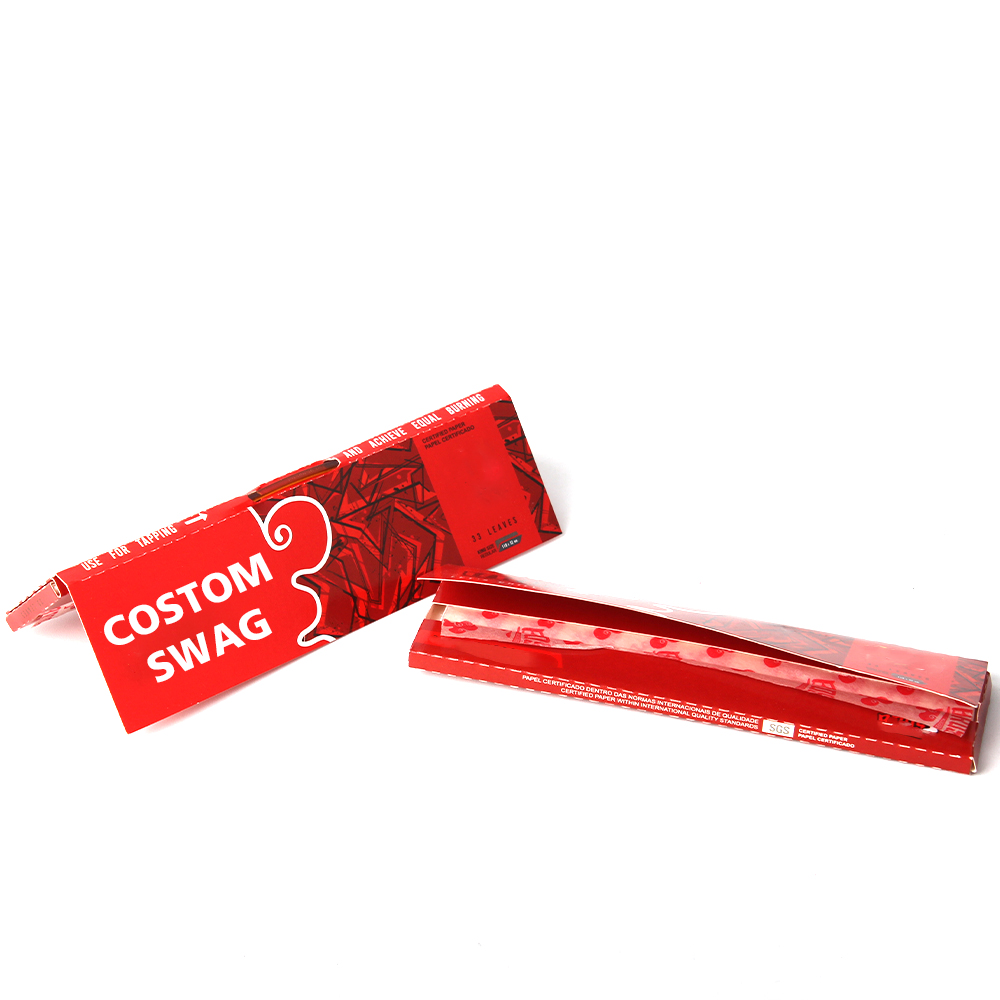
The material composition of pre-roll cones significantly influences how your product burns, and unbleached fibers play a crucial role in this performance characteristic. When manufacturers produce pre-roll cones using natural brown cones and unbleached cone paper, they fundamentally alter the combustion dynamics compared to bleached alternatives. Understanding this relationship helps producers, retailers, and consumers make informed decisions about cone selection and product quality.
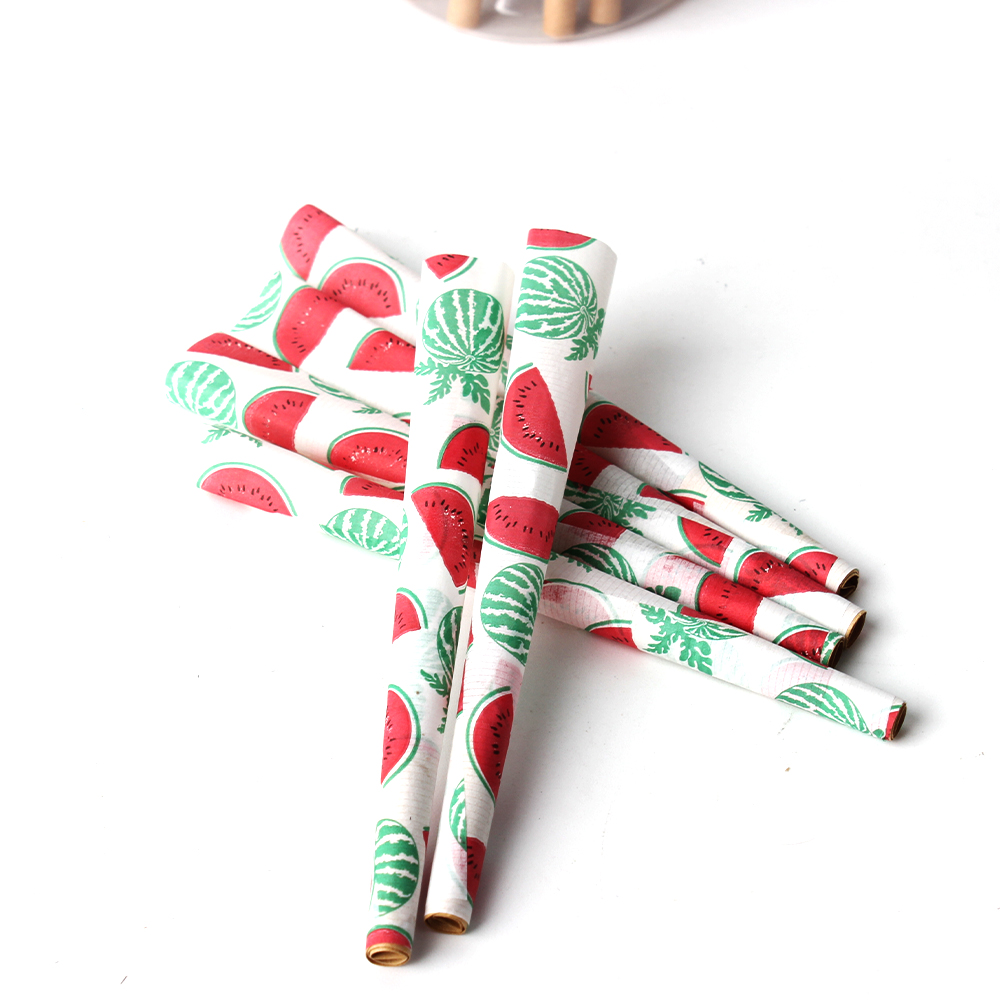
The science behind burn rate involves fiber structure, residual lignin content, and ash production. Unbleached materials retain natural lignin and cellular structures that create denser, slower-burning products. When you select pre-roll cones made from unbleached cone paper, you're choosing a product engineered for extended, controlled combustion rather than rapid consumption.
Natural brown cones maintain the original fiber lattice structure found in raw plant cellulose. The bleaching process breaks down certain lignin compounds and modifies fiber walls, which accelerates burn rate. Unbleached cone paper retains these protective compounds, creating a denser matrix that resists rapid oxidation. This structural advantage means slow burn cone products deliver consistent, measured consumption rates that appeal to quality-conscious users.
The fiber density achieved through unbleached cone paper manufacturing directly impacts ash formation and temperature control. Dense fibers burn more uniformly, reducing hot spots and uneven combustion patterns. Manufacturers who choose natural brown cones benefit from this inherent stability, as the material behaves more predictably across different environmental conditions.
Lignin is the natural binder in plant fibers that gives wood and paper their structural strength. During bleaching, chemicals strip away lignin to whiten the material, which unfortunately creates channels that accelerate flame propagation. Pre-roll cones manufactured without bleaching preserve lignin content, slowing the burn rate and extending the smoking duration. This chemical difference represents the fundamental reason why unbleached cone paper outperforms bleached alternatives in controlled combustion scenarios.
The residual lignin in natural brown cones also contributes to superior ash quality. When lignin remains intact, it burns at a lower temperature and produces finer, more compact ash. Users of slow burn cone products experience fewer ash flakes and cleaner smoking sessions, making the material choice directly relevant to end-product satisfaction.
Pre-roll cones made from unbleached cone paper deliver burn times that extend 10 to 20 percent longer than bleached equivalents under identical conditions. This performance gain stems from the denser fiber matrix and preserved lignin compounds that slow oxygen diffusion through the paper. For manufacturers and retailers, this means natural brown cones provide measurable value to consumers seeking products with extended smoking duration.
Consistency represents another critical advantage of unbleached materials. The absence of bleaching chemicals reduces batch-to-batch variability in burn rate. Each pre-roll cone performs predictably, which builds consumer confidence and reduces returns due to burn rate complaints. Slow burn cone formulations achieve this reliability through their inherent material properties rather than requiring complex manufacturing adjustments.
Natural brown cones carry environmental appeal that increasingly influences purchasing decisions. Unbleached cone paper requires fewer chemical inputs during manufacturing, reducing both production waste and environmental impact. Consumers recognize the visual distinction of natural brown cones as a marker of minimal processing and natural authenticity. This perception directly translates to premium positioning and market differentiation.
Sensory characteristics also favor unbleached materials. Pre-roll cones made from natural brown cones produce a cleaner taste profile compared to bleached alternatives, which can impart subtle chemical notes. The absence of residual bleaching agents means users experience only the intended product flavor, without masking or off-notes. This sensory advantage reinforces the value proposition of slow burn cone products in competitive markets.
The weight of unbleached cone paper directly influences burn rate alongside fiber composition. Heavier papers create thicker cone walls that burn more slowly than thin, lightweight alternatives. When evaluating pre-roll cones for your needs, paper weight serves as a practical indicator of expected burn duration. Natural brown cones typically range from 75 to 150 gsm, with heavier weights providing the extended burn characteristics associated with slow burn cone products.
Thickness consistency matters equally, as uniform wall density ensures predictable combustion across the entire cone. Manufacturing processes that maintain precise thickness tolerances deliver superior quality compared to products with variable walls. Pre-roll cones that maintain tight specifications perform reliably, reducing consumer dissatisfaction and supporting brand reputation.
Testing unbleached cone paper for burn rate involves controlled laboratory methods where cones are ignited under standardized conditions and burn time measured precisely. Quality manufacturers document these specifications and make test results available to partners and consumers. Pre-roll cones that demonstrate consistent, documented burn times provide assurance of reliable performance. Look for products with published burn rate data rather than vague claims about slow burn cone benefits.
Visual inspection of natural brown cones offers additional quality cues. Uniform color indicates consistent manufacturing and even lignin distribution throughout the paper. Unbleached cone paper should show no white spots or inconsistent bleaching patterns. These visual markers suggest proper material handling and quality control in production processes.
Yes, unbleached cone paper consistently produces slower burn rates due to preserved lignin content and fiber density. Natural brown cones retain the original fiber structure that resists rapid oxidation, making slow burn cone products the expected outcome when using unbleached materials. However, burn rate also depends on paper thickness, environmental humidity, and packing density within the pre-roll cone, so these factors interact to determine final performance.
Mixing bleached and unbleached cone paper creates inconsistent burn characteristics across the cone's length, resulting in variable combustion patterns and unpredictable performance. For optimal results with slow burn cone products, manufacturers use consistent unbleached cone paper throughout. Blending materials defeats the primary advantage of choosing natural brown cones, which is reliable, uniform burn behavior.
Humidity significantly impacts burn rate in pre-roll cones regardless of material type. High humidity slows combustion by introducing moisture that impedes oxygen flow, while dry conditions accelerate burning. Temperature also plays a role, with cooler environments producing slower burns than warm ones. Unbleached cone paper tends to absorb moisture more readily than bleached alternatives, which can actually extend burn time in humid conditions and create more consistency across varied storage environments.