EN
EN

design-constraints-for-outer-cover-printing-on-custom-rolling-paper-booklets, design-constraints-for-outer-cover-printing-on-custom-rolling-paper-booklets, /news
EN
2026/09/18
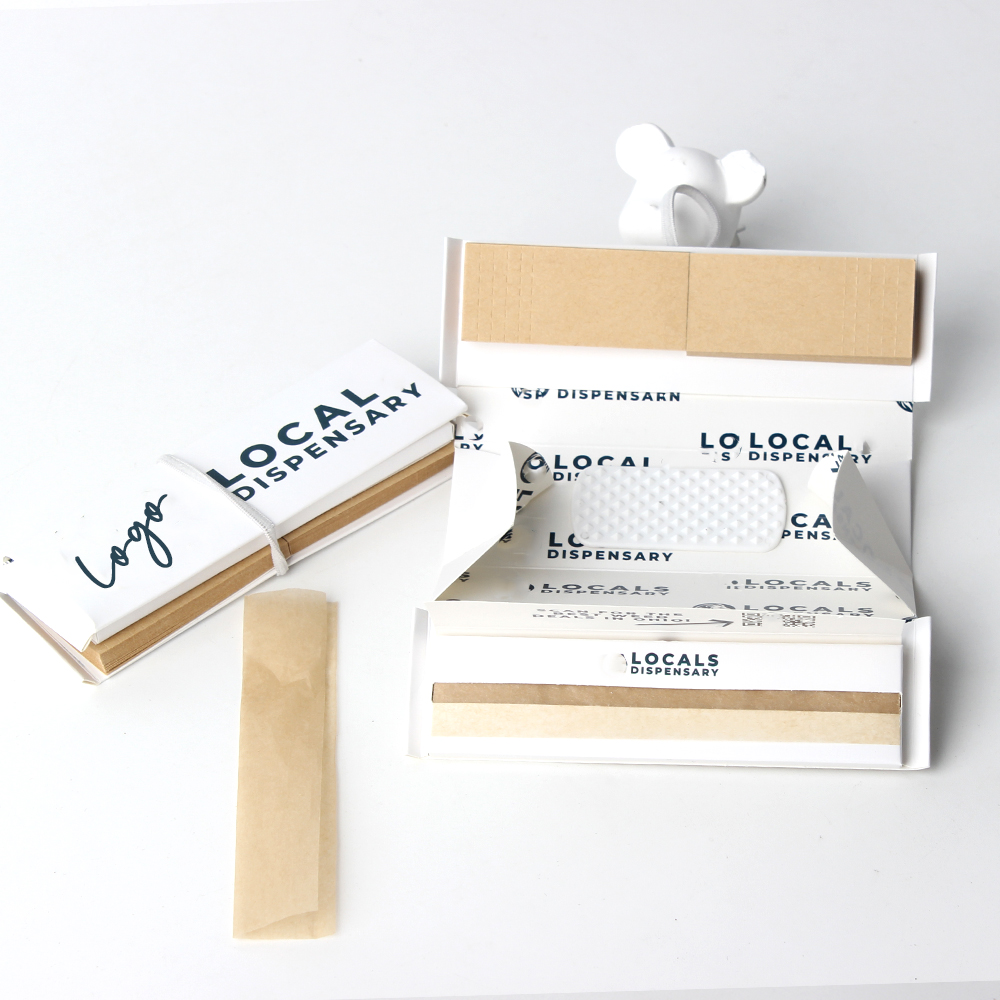
Designing the outer cover for custom rolling papers booklets requires careful attention to technical specifications and material properties. The printing process involves unique challenges that differ significantly from standard packaging design. Understanding these constraints ensures your personalized cover achieves the intended visual impact while maintaining structural integrity and print quality throughout the product lifecycle.
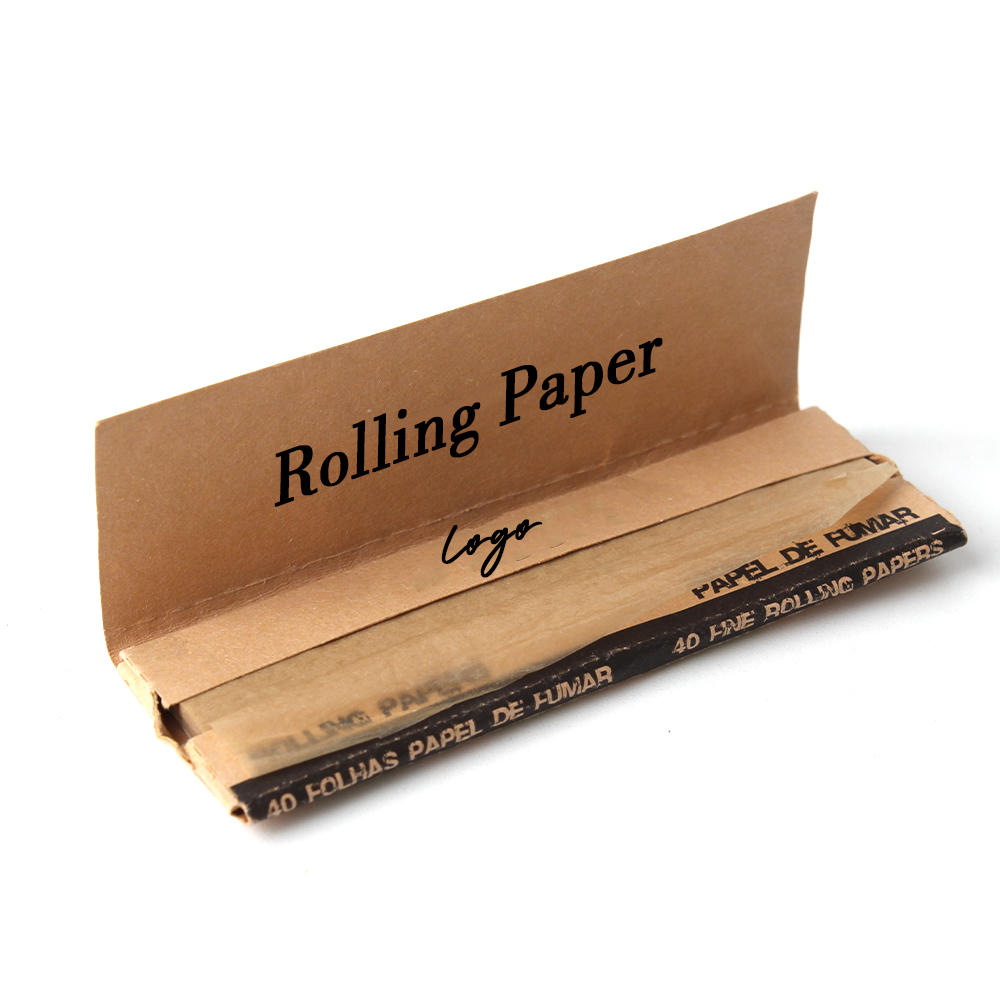
Custom packaging booklets demand precise dimensional planning and material selection. The outer cover must accommodate the booklet's binding mechanism while preserving the aesthetic qualities of your branded wrapper design. Manufacturers face strict tolerances when producing these items at scale, and minor oversights in design specifications can result in costly production delays or substandard finished products.
The substrate weight for custom packaging booklet covers typically ranges between 200 and 300 GSM (grams per square meter). This thickness range provides structural support while remaining flexible enough for proper binding. Selecting paper too thin results in a flimsy feel and poor durability, while excessively heavy stock complicates folding and stitching operations during production of your personalized cover.
Paper composition significantly impacts how inks adhere and how colors appear after printing. Coated stocks produce sharper image clarity and more vibrant colors, while uncoated papers offer a natural texture but may show slight color variation. For branded wrapper applications, understanding the interaction between paper finish and ink chemistry ensures consistent output across production runs.
Matte, gloss, and soft-touch coatings each impose different design constraints for your custom rolling papers packaging. Gloss finishes enhance color saturation and visual pop but create glare and highlight ink irregularities under close inspection. Matte finishes provide a sophisticated appearance while concealing minor print imperfections, making them ideal for detailed branded wrapper graphics. Soft-touch coatings add premium feel but reduce ink adhesion and require calibrated press settings.
Working in CMYK color space is essential for custom packaging booklet printing, as RGB files must be converted prior to production. Color separation into cyan, magenta, yellow, and black layers affects how multiple colors interact on the final personalized cover. Pantone matching systems provide consistency for branded wrapper colors but add cost and setup time; CMYK approximations work for most applications when managed carefully.
Ink density and color registration present critical constraints. Excessive ink coverage—especially in solid color areas—leads to wet-through, where ink bleeds through the paper and compromises the booklet's interior pages. Custom rolling papers designs should limit total ink coverage to approximately 240 percent, balancing visual impact with practical printability limits.
All artwork files must meet minimum 300 DPI resolution to ensure crisp, detailed output on your custom packaging booklet. Bleed area specifications require extending design elements 0.125 inches beyond the final trim boundary for custom rolling papers covers. This prevents white borders from appearing along edges due to minor cutting variations. Conversely, maintaining a 0.25-inch safety margin from the trim edge protects critical design elements like logos and branded wrapper text from accidental cropping.
Font selection and sizing demand particular attention when designing personalized cover artwork. Sans-serif typefaces render more clearly at small sizes than serif fonts. Minimum text size typically should not fall below 8 points for body copy, while smaller text becomes illegible after printing and folding. Custom rolling papers designs with condensed or decorative fonts require larger minimum point sizes to remain readable.
Creasing and folding operations impose geometric restrictions on how artwork can be placed within your custom packaging booklet. Score lines—shallow cuts that guide paper folding—should align precisely with where design elements transition. Placing continuous artwork or photographic elements directly across fold lines results in visible cracking or ink separation when the personalized cover is bent. Strategic design placement around anticipated crease locations ensures your branded wrapper maintains visual continuity despite the physical folding process.
The binding method selected for custom rolling papers booklets determines spine width and cover wrap specifications. Saddle stitch binding (staples through the spine) requires less wrapper space than perfect binding (glued spine). Understanding the final bound thickness before design layout prevents misalignment between cover elements and interior page illustrations.
Custom rolling papers with booklet packaging often incorporate die-cut shapes or contoured edges on the personalized cover. These custom cuts must maintain at least 0.125-inch distance from fold lines and edges to ensure structural integrity. Complex die-cut patterns increase production costs and setup time, while simple rectangular cuts integrate more economically into standard manufacturing workflows. The branded wrapper design should accommodate the selected edge treatment without compromising the underlying booklet structure.
CMYK color separation is the industry standard for custom packaging booklet printing. All artwork should be prepared in CMYK before submission to the printer. RGB files must be converted to CMYK, though color shifts may occur during conversion. Working natively in CMYK during the design phase helps anticipate how your personalized cover will render in the final print.
Maintain minimum font sizes of 8 points for body copy and ensure sufficient contrast between text and background colors. Avoid placing type directly across anticipated fold lines or the binding spine. Use sans-serif typefaces for better clarity at small sizes. Testing a physical sample or digital proof before full production of your custom rolling papers booklet helps verify readability.
Common errors include exceeding safe zones near trim edges, ignoring bleed requirements, using RGB instead of CMYK, placing critical design elements across crease areas, and failing to account for binding spine width. Insufficient resolution below 300 DPI causes pixelation and blur. Overloading the custom packaging booklet cover with excessive ink density leads to wet-through and paper damage. Consulting production specifications before design finalization prevents costly revisions.