EN
EN

preventing-moisture-damage-in-packaged-rolling-paper-booklets, preventing-moisture-damage-in-packaged-rolling-paper-booklets, /news
EN
2026/08/13
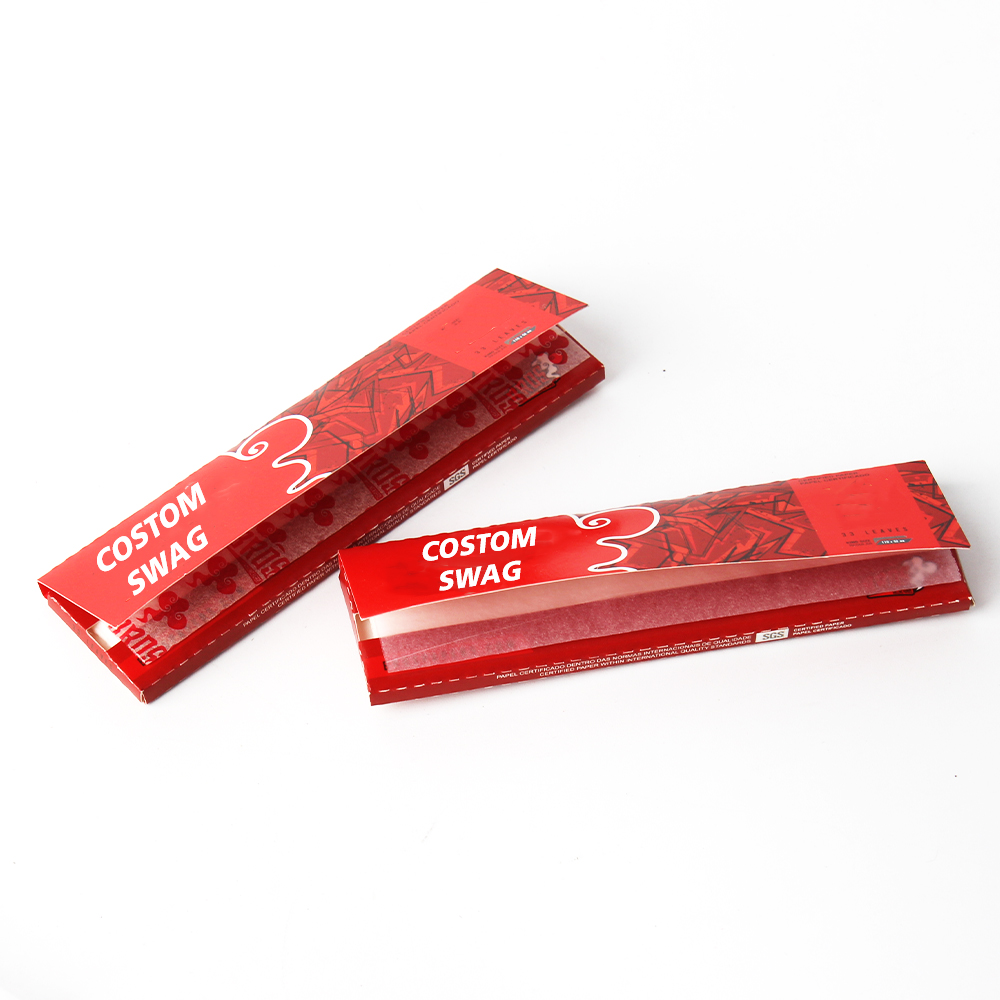
Moisture damage represents one of the most significant threats to the integrity and usability of rolling paper booklets. When environmental humidity levels fluctuate or storage conditions remain suboptimal, the delicate paper fibers absorb excess moisture, leading to warping, brittleness, and compromised smoking experience. Understanding how to prevent this damage is essential for manufacturers, distributors, and consumers who rely on consistent product quality. The challenge becomes increasingly urgent in regions with high humidity or seasonal climate variations, where standard storage alone may not suffice.
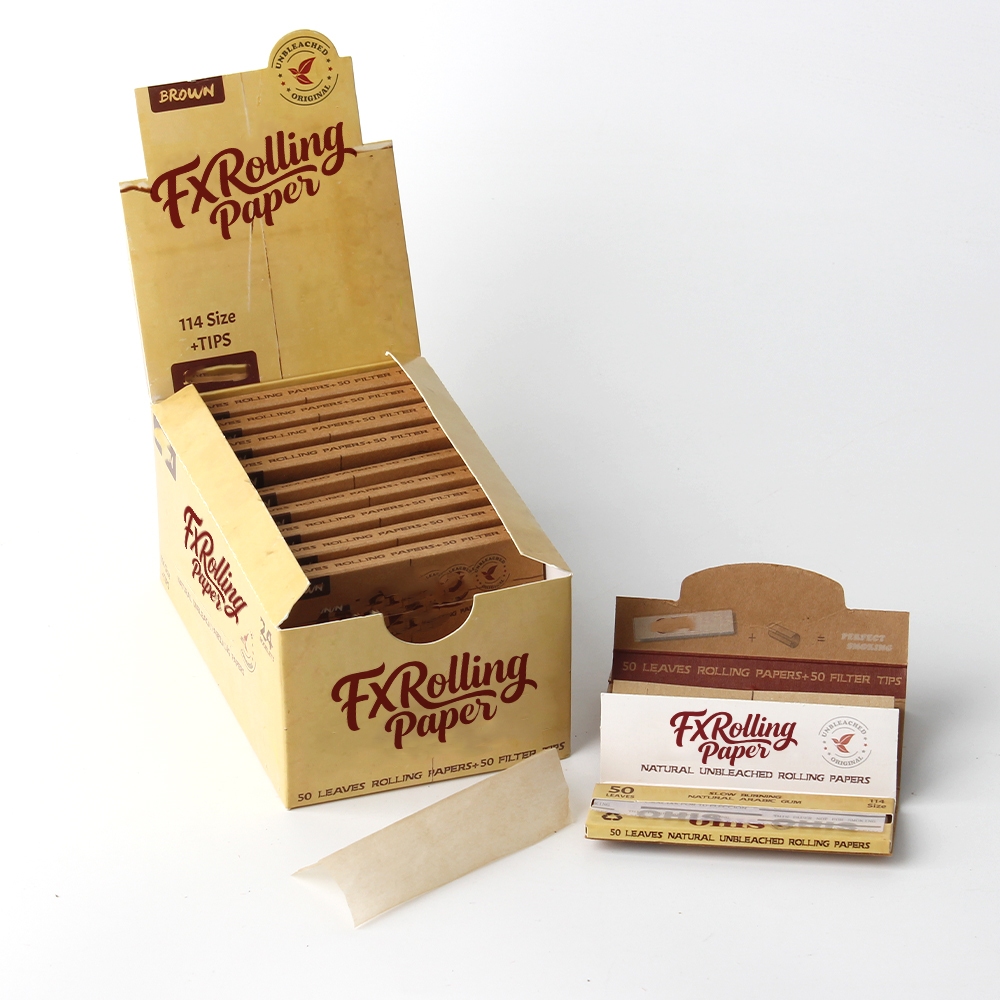
The foundation of protecting rolling paper booklets begins with recognizing how moisture infiltrates packaging and affects product performance. Paper is hygroscopic by nature, meaning it naturally absorbs and releases moisture based on surrounding air conditions. When booklets experience rapid humidity changes or prolonged exposure to damp environments, the paper expands and contracts unevenly, causing curling, splitting, and adhesive failure. Implementing proper humidity control, investing in moisture resistant packaging, and following best practices for paper storage can significantly extend shelf life and maintain the smoking characteristics consumers expect.
Rolling paper booklets consist of thin, compressed paper sheets that require precise moisture balance to remain functional. When relative humidity exceeds 65 percent, paper begins absorbing excess moisture, softening the fibers and weakening the structural integrity. Conversely, humidity below 35 percent causes paper to become brittle and prone to cracking along fold lines. The optimal humidity range for paper storage is typically between 45 and 55 percent relative humidity. Within this narrow window, rolling paper booklets maintain their flexibility, adhesion properties, and ease of use. Environmental fluctuations outside this range trigger immediate degradation that may not reverse once the paper becomes compromised.
The visible and invisible effects of moisture damage extend beyond surface-level deterioration. Excessive moisture causes paper to develop mold growth, discoloration, and unpleasant odors that render booklets unusable and potentially harmful. The adhesive bonding the pages together weakens when exposed to prolonged dampness, causing individual sheets to separate during handling. Additionally, moisture-affected paper burns inconsistently, creating uneven combustion and compromising the product experience. For retailers and wholesalers, moisture damage directly translates to inventory loss, customer complaints, and reputational harm. For end consumers, receiving degraded rolling paper booklets represents wasted money and disappointment.
Successful humidity control begins with accurate measurement and consistent monitoring of storage environments. Facilities should install calibrated hygrometers at multiple locations within warehouses and retail spaces to track real-time humidity levels. Digital monitoring systems with automated alerts enable teams to respond quickly when conditions drift outside the optimal 45 to 55 percent range. Active humidity control methods include dehumidifiers for high-moisture environments and humidifiers for excessively dry conditions. HVAC systems should be regularly maintained to ensure consistent climate control throughout facilities. For manufacturers and distributors handling rolling paper booklets in significant quantities, investing in dedicated climate-controlled storage rooms pays dividends by preventing batch-wide loss and maintaining product reputation. Regular calibration of measurement devices ensures accuracy and prevents false readings that could lead to ineffective interventions.
Climate variations across seasons demand adaptive strategies tailored to regional conditions. In humid climates, especially during monsoon or rainy seasons, aggressive dehumidification becomes necessary to prevent moisture ingress into storage facilities. Conversely, dry seasons or regions with arid climates require humidification to prevent paper from becoming too brittle. Rolling paper booklets stored near loading docks or exterior walls face greater exposure to temperature and humidity swings than centralized storage. Strategic placement of inventory away from external walls, windows, and doors reduces vulnerability to seasonal moisture fluctuations. Seasonal inventory rotation ensures older stock moves through channels before new product arrives, preventing long-term storage during unfavorable conditions. Understanding local climate patterns and planning storage accordingly transforms seasonal risk into manageable operational logistics.
Moisture resistant packaging forms the critical outer defense protecting rolling paper booklets during transit and storage. High-barrier films and laminates incorporating polyester or polypropylene layers create physical barriers that resist moisture penetration far more effectively than standard cardboard alone. Foil-lined or vacuum-sealed packaging provides superior protection for premium products or those destined for humid regions. The choice of barrier material depends on balancing protection level with cost, environmental considerations, and end-user expectations. Multi-layer packaging structures combining kraft paper, plastic films, and adhesive coatings create comprehensive protection against both moisture absorption and vapor transmission. Moisture resistant packaging standards should specify maximum water vapor transmission rates that align with anticipated storage durations and environmental conditions. For paper storage lasting weeks or months, investing in enhanced barrier technology reduces the risk of moisture damage significantly compared to minimal packaging options.
Silica gel packets and molecular sieve desiccants actively absorb moisture within sealed packaging, maintaining dry internal conditions regardless of external humidity. A single gram of silica gel can absorb up to 40 percent of its weight in moisture, creating a microenvironment that protects rolling paper booklets throughout the supply chain. Desiccant packets should be included in quantities appropriate to package size and anticipated shelf life; larger packages or extended storage periods require proportionally more desiccant material. Oxygen scavenging technology, while not directly addressing moisture, complements desiccant protection by preventing oxidation that accelerates paper degradation. Combined desiccant and oxygen scavenging solutions extend the protective window even further, proving especially valuable for export shipments crossing multiple climate zones. Regulations and consumer expectations increasingly favor sealed packaging with visible desiccant packets, signaling quality commitment and product care. The incremental cost of these solutions remains negligible compared to potential losses from spoiled inventory or customer dissatisfaction.
Proper facility design forms the foundation of effective paper storage and moisture protection. Facilities should incorporate adequate ventilation, thermal insulation, and moisture barriers in walls and roofing to maintain stable internal conditions. Concrete floors, while durable, can transmit ground moisture through capillary action; elevated shelving and moisture barriers between floor and inventory prevent direct contact. Inventory should be organized to facilitate air circulation around stacked packages, preventing moisture from accumulating in dead zones. Plastic pallets perform better than wooden alternatives in humid environments, as wood absorbs and releases moisture that can transfer to nearby stock. Regular facility inspections identify potential sources of moisture infiltration, including roof leaks, wall seepage, or plumbing issues that could compromise rolling paper booklets. Climate monitoring should be supplemented with visual inspections of packaging for signs of moisture damage, mold, or discoloration that indicate environmental control failure.
First-in, first-out inventory rotation ensures rolling paper booklets do not languish in storage longer than necessary, minimizing exposure to moisture and degradation risks. Accurate stock tracking with expiration or manufacturing dates enables teams to prioritize shipment of older inventory before newer product. Regular inventory audits reveal any booklets showing early signs of moisture damage, allowing removal before widespread contamination occurs. For high-volume operations, automated inventory management systems provide real-time visibility into stock location, age, and condition. Packaging should include clear labeling of manufacturing dates and storage recommendations, enabling distributors and retailers to apply appropriate care. Educating team members about moisture sensitivity ensures everyone in the supply chain understands why rotation, careful handling, and climate maintenance matter. Implementing these practices systematically transforms paper storage from a passive activity into an active, quality-focused operational discipline that protects rolling paper booklets throughout their journey from production to consumer.
The optimal humidity range for storing rolling paper booklets is between 45 and 55 percent relative humidity. Within this narrow window, paper maintains ideal flexibility, adhesion, and usability. Humidity above 65 percent causes excessive moisture absorption and paper deterioration, while humidity below 35 percent makes paper brittle and prone to cracking. Using calibrated hygrometers and active humidity control equipment helps maintain these conditions consistently.
Desiccant packets are highly effective when used appropriately within sealed moisture resistant packaging. A single gram of silica gel can absorb up to 40 percent of its weight in moisture, creating a protective microenvironment inside packages. The effectiveness depends on package size, seal integrity, storage duration, and the quantity of desiccant used. For rolling paper booklets intended for extended storage or humid climates, including adequate desiccant significantly extends product shelf life and maintains quality.
Once rolling paper booklets absorb excess moisture, the damage typically becomes permanent. Warped, split, or weakened paper does not return to original condition through drying, and mold growth renders booklets unsuitable for use. Prevention through proper humidity control and moisture resistant packaging is far more cost-effective than attempting to salvage damaged inventory. The key is implementing protective measures before moisture damage occurs rather than attempting remediation afterward.