EN
EN

retail-display-packaging-design-for-rolling-paper-booklet-series, retail-display-packaging-design-for-rolling-paper-booklet-series, /news
EN
2026/08/31
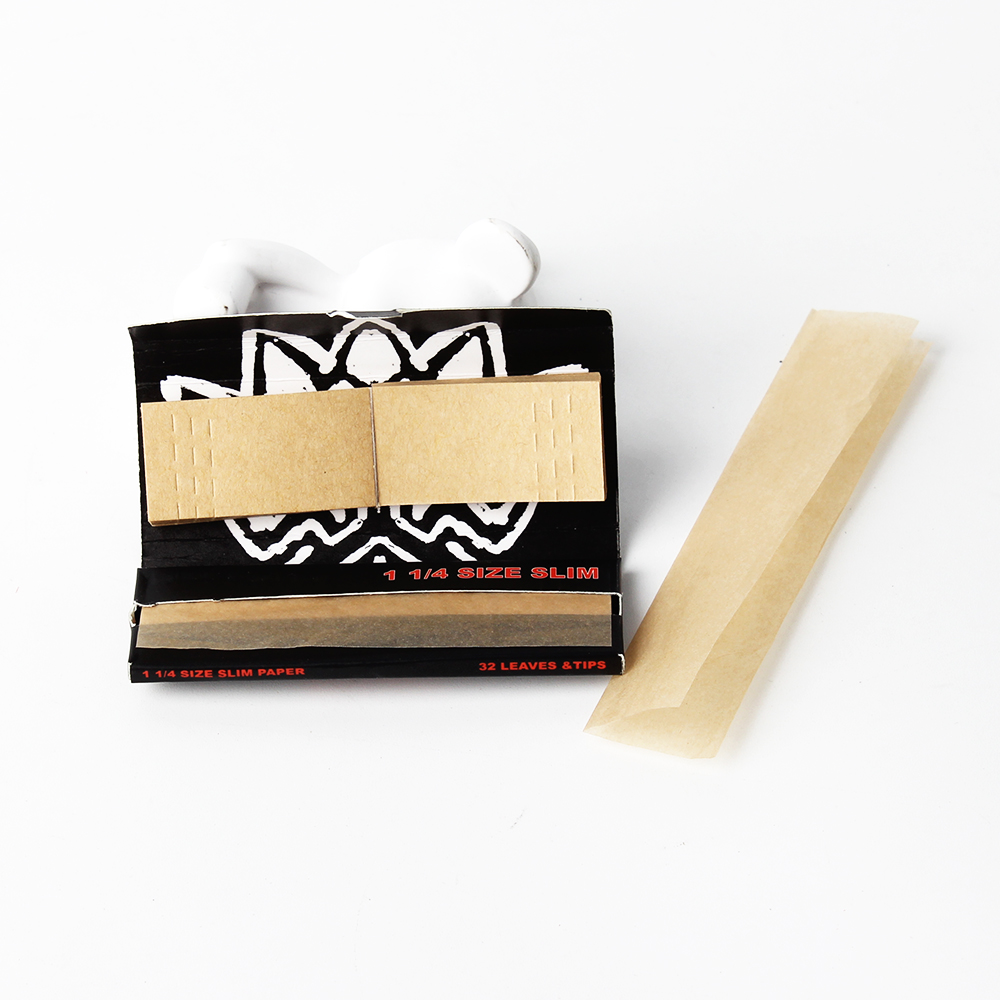
Rolling paper booklets have become a cornerstone of retail merchandising in specialty tobacco and smoking accessories markets. The way these products are packaged and displayed directly influences purchasing decisions, brand perception, and shelf performance. Effective retail display packaging goes far beyond simple containment—it serves as a silent salesman that communicates quality, authenticity, and value to consumers browsing store shelves. Understanding how to design compelling packaging for rolling paper booklets is essential for manufacturers, retailers, and distributors aiming to capture market share and build customer loyalty.
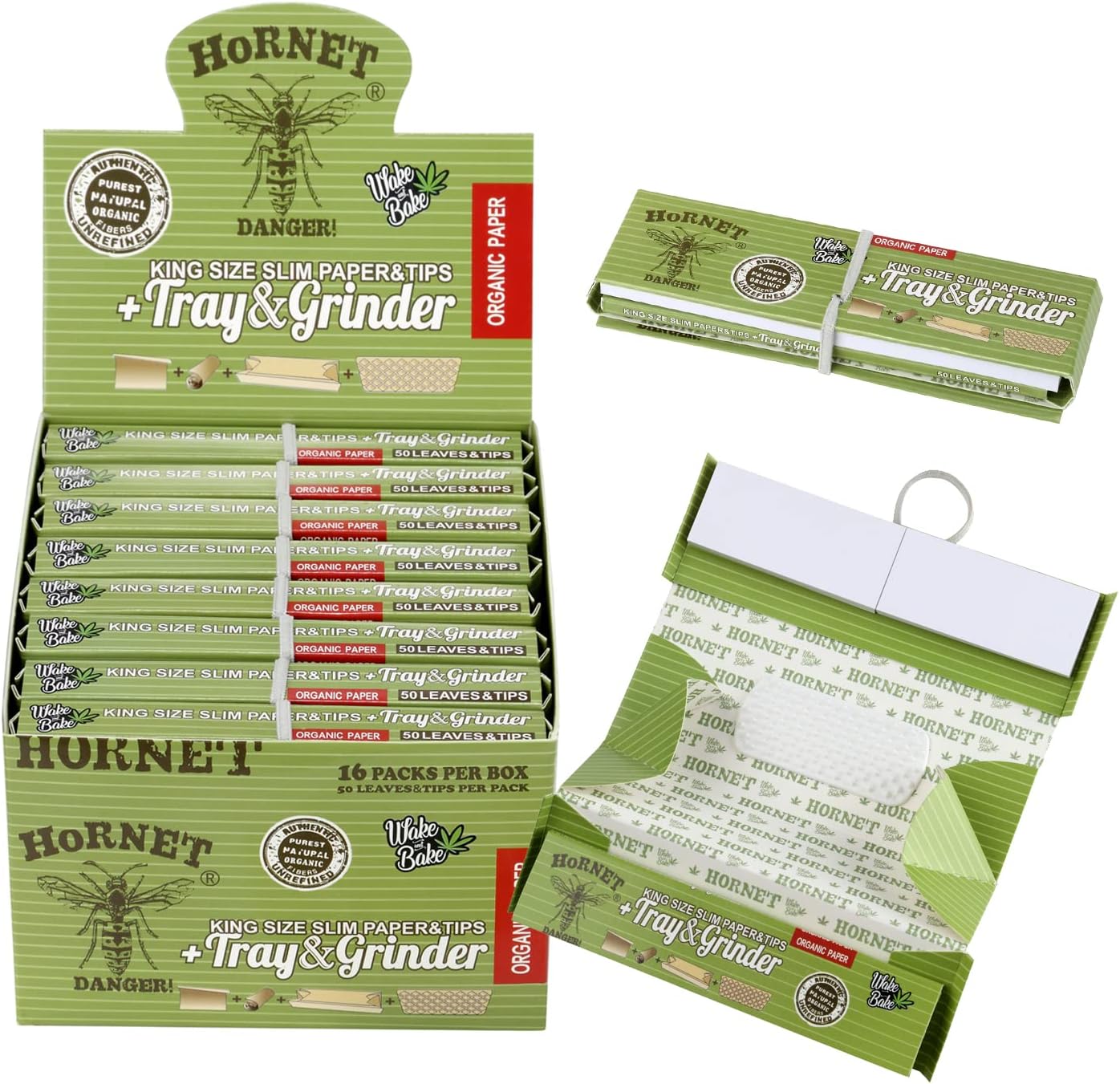
The retail landscape demands that packaging not only protect the product but also stand out on crowded shelves and communicate brand identity instantly. A well-designed store display pack transforms rolling paper booklets into compelling retail assets that speak to consumer preferences and purchasing behaviors. Modern retail environments require strategic packaging solutions that balance aesthetics, functionality, and consumer psychology to maximize visibility and conversion.
Display box booklet packaging serves multiple critical functions in the retail environment. First, it protects the product during storage, shipping, and shelf time while maintaining structural integrity. Second, it communicates brand values and product qualities through visual design, typography, and color psychology. Third, it facilitates consumer understanding of product variants, quantity, and key differentiators that influence purchase decisions. A display box booklet must balance these functions while remaining cost-effective for manufacturers and attractive to retailers seeking efficient shelf space utilization.
The retail packaging booklet design process requires deep understanding of consumer behavior patterns and store environment constraints. Designers must consider sightline angles, competitive packaging on adjacent shelves, and how rolling paper booklets will catch attention among dozens of similar products. The packaging must communicate core attributes—whether emphasizing organic materials, slow-burn properties, or premium quality—within seconds of consumer interaction.
Successful store display pack design prioritizes visual hierarchy that guides consumer attention to the most compelling product attributes. The primary visual zone should feature distinctive branding, key product benefits, and imagery that resonates with target demographics. Supporting zones can include flavor profiles, material specifications, certification badges, or usage instructions that validate product quality. This layered approach ensures that rolling paper booklets communicate essential information without overwhelming the visual presentation.
Brand differentiation through packaging becomes increasingly important as market competition intensifies. Rolling paper booklets positioned in premium market segments benefit from sophisticated design elements—metallic finishes, embossed details, or tactile textures—that justify price positioning and appeal to discerning consumers. Budget-conscious market segments may emphasize value messaging, bulk quantity visibility, or functional design elements that highlight practical benefits over luxury positioning.
Color selection profoundly influences how retail packaging booklet designs perform in shelf environments. Warm tones like amber, gold, and burgundy convey premium quality and natural ingredients, often aligning with consumer expectations for organic or artisanal rolling paper booklets. Cool tones like silver, white, and black communicate modernity, sophistication, and contemporary appeal. The color palette must differentiate the display box booklet from competitors while remaining relevant to product category expectations and brand positioning.
Contrast and visual pop become essential considerations when designing for shelf environments where multiple products compete for attention. Strategic use of high-contrast accent colors, bold patterns, or distinctive visual elements ensures that store display pack packaging captures consumer peripheral vision and encourages closer examination. This visual impact translates directly to increased product trial and sales velocity, particularly in retail environments where shelf placement favors high-performing visual presentations.
Modern retail environments increasingly reflect consumer preferences for sustainable and environmentally responsible packaging solutions. Retail packaging booklet materials now commonly incorporate recycled content, sustainably sourced cardboard, or biodegradable elements that appeal to eco-conscious consumers. Transparency regarding material composition and environmental impact strengthens consumer trust and differentiates premium rolling paper booklets in markets where sustainability carries meaningful purchase weight.
The physical tactile experience of handling the display box booklet contributes significantly to consumer perception of product quality. Premium finishes, substantial cardstock weight, and refined printing techniques elevate perceived value and justify price positioning. Consumers touching and feeling store display pack materials form immediate quality judgments that influence purchase decisions within seconds, making material selection a critical strategic component beyond visual design alone.
Translating sophisticated retail packaging booklet designs into production requires balancing creative vision with economic viability. Manufacturers must consider print volumes, color complexity, special finishes, and material sourcing costs when developing rolling paper booklets for retail distribution. Production-efficient designs that minimize waste, utilize standard print specifications, and leverage bulk economies maintain profitability while preserving visual impact and brand differentiation that justify retail shelf space allocation.
Strategic partnerships with experienced packaging manufacturers ensure that design concepts for display box booklet solutions successfully transition from concept to retail reality. Design specifications must account for print tolerances, color variations across production runs, and quality standards that maintain brand consistency across all retail locations. Regular communication between design teams and production partners ensures that the final store display pack matches intended creative direction while maintaining cost targets and production schedules.
Successful retail packaging booklet implementation requires understanding retailer requirements for product labeling, compliance information, and packaging specifications. Different retail channels—specialty shops, convenience stores, or online marketplaces—may impose distinct requirements for barcode placement, ingredient listings, warning labels, or compliance certifications. Rolling paper booklets must incorporate all required elements while maintaining visual cohesion and design integrity, requiring careful planning during the display box booklet design phase to accommodate mandatory information without compromising aesthetic impact.
Retailers evaluate store display pack designs based on space efficiency, merchandising flexibility, and sales performance potential. Packaging that facilitates eye-level display, stacks efficiently, or accommodates promotional signage gains preference in retail environments. Understanding these practical retail considerations during the design phase ensures that retail packaging booklet solutions integrate seamlessly into existing retail environments and maximize shelf space productivity, ultimately increasing rolling paper booklets visibility and purchase conversion rates.
Effective display box booklet design combines visual differentiation, clear communication of product benefits, and strategic color use that captures attention in crowded retail environments. The packaging must protect the product while communicating brand identity and quality positioning within seconds of consumer interaction. Successful store display pack designs prioritize visual hierarchy, material quality perception, and alignment with retailer requirements to maximize shelf performance and purchase conversion.
Begin by requesting specific packaging requirements from retail partners, including dimensions, barcode placement, label requirements, and compliance information. Work with experienced packaging manufacturers who understand retail specifications and can provide design guidance that balances creative vision with practical retail constraints. Provide retailers with pre-production samples of your rolling paper booklets display box booklet design for approval before committing to full production runs, ensuring compliance and reducing costly design modifications after manufacturing begins.
Modern sustainable options for store display pack materials include recycled cardboard, sustainably certified forestry sources, soy-based inks, and water-based coatings that reduce environmental impact. Many consumers actively seek eco-friendly retail packaging booklet solutions, making sustainability a meaningful competitive advantage for rolling paper booklets brands. Transparent communication about material sourcing and environmental benefits strengthens consumer perception and justifies premium pricing while supporting broader corporate sustainability initiatives.