EN
EN

what-to-check-in-preroll-cone-paper-before-approving-a-sample, what-to-check-in-preroll-cone-paper-before-approving-a-sample, /news
EN
2026/09/28
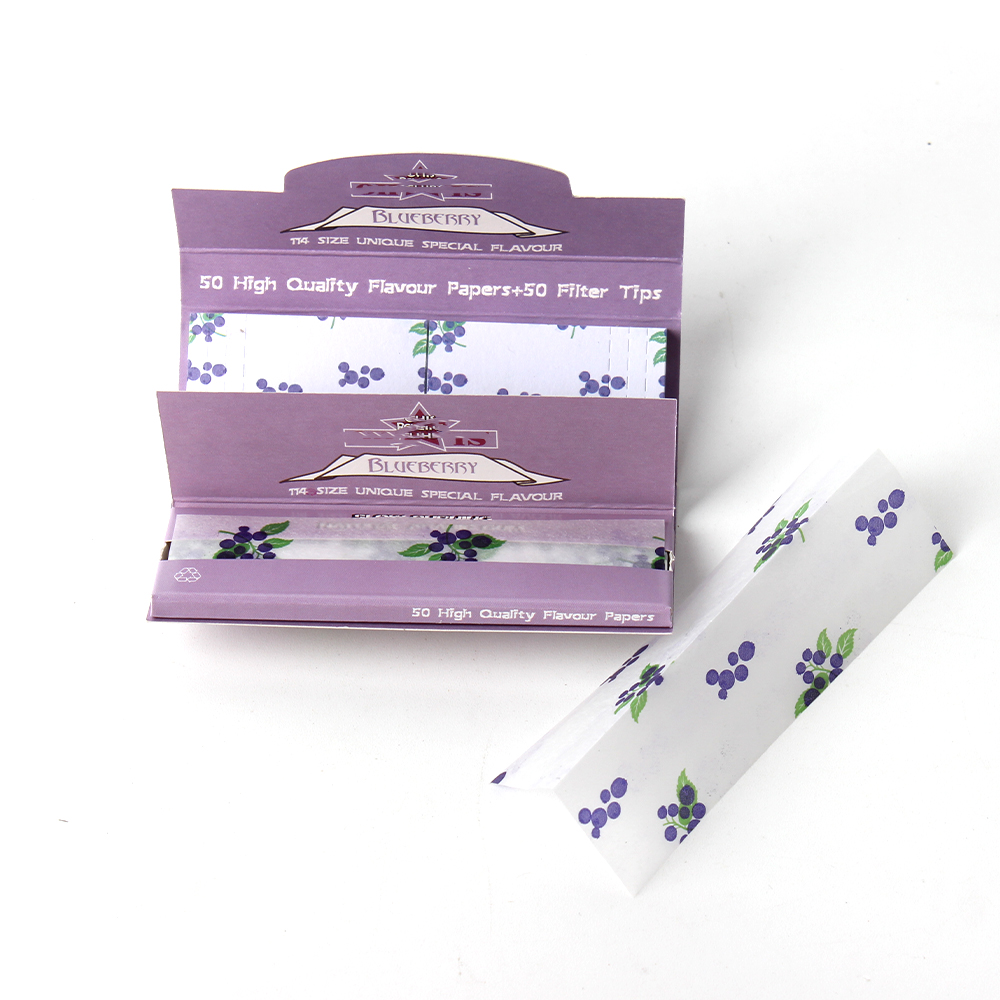
Evaluating a pre rolled cones sample requires systematic attention to multiple quality factors before you commit to full production orders. The cone paper quality, structural integrity, and consistency of your sample will directly impact customer satisfaction, regulatory compliance, and your brand reputation. Many manufacturers rush through sample approval without conducting thorough inspections, only to discover problems after expensive bulk production begins. This guide walks you through the critical inspection points that ensure your pre rolled cones sample meets production standards.
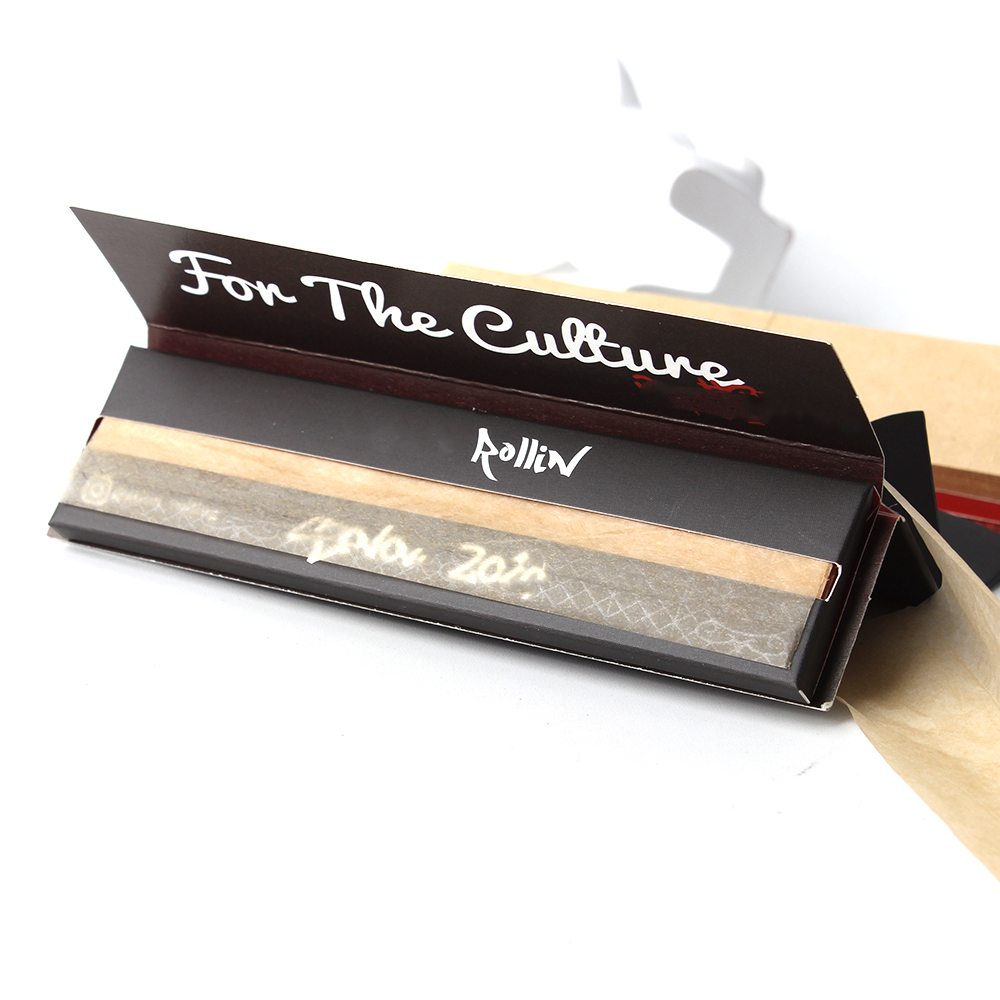
Proper sample approval protects your investment and ensures consistent product delivery to your customers. Before moving forward with any supplier, you must establish a quality checklist that addresses cone paper composition, manufacturing precision, burn characteristics, and visual presentation. Understanding what to examine during sample approval transforms you from a passive buyer into an informed decision-maker who can confidently negotiate terms and specifications with your supplier.
The cone paper itself forms the foundation of quality in pre rolled cones. Your sample approval process must verify that the paper meets your specified material standards, including fiber composition, thickness, and weight consistency. Premium cone paper typically contains wood pulp, rice paper, or specialty blends designed to burn slowly and evenly without chemical taste or residue. Request documentation from your supplier showing the paper weight in grams per square meter and the exact material composition. Poor quality cone paper will exhibit uneven burning, harsh flavor profiles, and structural weakness during filling and handling.
Safety and regulatory compliance are non-negotiable aspects of sample approval. Your material quality assessment must include verification that the cone paper contains no harmful bleaching agents, excessive chlorine, or prohibited additives. Many regions have specific regulations governing acceptable substances in smoking products. Request a safety data sheet and third-party testing documentation from your supplier to confirm compliance. Test the sample yourself by observing the burn characteristics: healthy cone paper produces minimal ash residue and burns cleanly without emitting acrid or chemical odors. If you detect suspicious smells or excessive ash production during your quality checklist inspection, reject the sample immediately and request alternative material sources.
Dimensional accuracy directly impacts your filling equipment performance and customer experience. During sample approval, measure the cone length, diameter at the base, and taper consistency across multiple cones in your sample batch. Inconsistent cone paper sizing creates bottlenecks during automated filling, increases waste, and frustrates end users. Your quality checklist should specify acceptable tolerance ranges, typically within 2–3 millimeters for length and similar precision for diameter. Use calibrated measuring tools and document your findings. Cones that vary significantly from specification will lead to production delays and customer complaints, making dimensional verification a critical component of your approval process.
The seam where cone paper overlaps and bonds determines structural integrity and leak prevention during storage and use. Examine the seam closely for complete adhesion along the entire length, checking for gaps, weak spots, or uneven gluing patterns. Press gently on the seam to verify it does not separate under normal handling pressure. A compromised seam in your pre rolled cones sample signals production problems that will replicate across your entire bulk order. Run your sample approval quality checklist by flexing cones gently and attempting to separate the seam: it should resist firmly without cracking or tearing. If seams fail this basic durability test, request that your supplier adjust their adhesive formulation or application process before proceeding with production.
Your sample approval must include hands-on testing of actual burning characteristics, as this directly impacts customer satisfaction and retention. Fill several sample cones with your planned product blend and observe the burn rate, flame appearance, and smoke production. Consistent burn performance indicates proper cone paper quality and manufacturing precision. The cone should burn evenly from base to tip without tunneling, canoeing, or excessive ash production. Document burn time in your quality checklist—premium cones typically burn for 15–25 minutes depending on fill density. Irregular burn patterns indicate material inconsistencies or improper manufacturing that will undermine customer experience and generate returns or complaints.
Market competitiveness demands that your pre rolled cones sample demonstrate professional appearance and appeal to target customers. Examine color consistency, surface texture, and overall finish quality during sample approval. The cone paper should display uniform coloring without discoloration, streaks, or visible defects. Your material quality standards must include visual specifications because first impressions influence purchasing decisions. Look for printing quality if you include branded labels or logos on the cone: text should be crisp, centered, and properly adhered without smudging or peeling. Package your sample cones in your intended retail packaging and evaluate the complete presentation from a customer perspective. Any visual deficiency noted during sample approval will multiply across thousands of units in production, damaging brand perception and sales performance.
Legitimate suppliers provide comprehensive testing documentation as part of their quality checklist standards. Request independent lab reports verifying that your cone paper meets relevant safety regulations, particularly regarding heavy metals, pesticide residues, and prohibited chemical additives. Your sample approval process should not proceed without evidence of third-party testing from reputable laboratories. Many regions require compliance with specific standards such as ISO certifications or regional regulations governing smoking product materials. Document all certifications in your records and maintain copies with your supplier agreement. This protects your business legally and demonstrates due diligence to regulators and customers alike.
Modern customers increasingly value sustainable and responsibly sourced materials, making this a relevant component of your material quality assessment. During sample approval, inquire about your supplier's sourcing practices, bleaching methods, and environmental compliance. Request documentation showing that your cone paper derives from managed forests or recycled sources where applicable. Sustainable sourcing appeals to environmentally conscious consumers and may support premium pricing strategies. Include sustainability verification in your quality checklist to align product positioning with market expectations. Transparent sourcing information also strengthens customer relationships and builds trust in your brand.
The most frequent defects include inconsistent seam quality, dimensional variation across cones, uneven burn characteristics, and discoloration or visual imperfections. Seam failures cause leaks and structural weakness, while dimensional inconsistencies jam filling equipment. Poor burn performance results directly from substandard cone paper quality. Addressing these issues during sample approval prevents expensive production problems and maintains quality standards throughout your bulk order.
Industry best practice recommends requesting sample batches of at least 100–200 units to ensure your quality checklist captures representative variation from actual production. A smaller sample may miss batch-to-batch inconsistencies or manufacturing defects that appear later in full production runs. Testing multiple samples reduces the risk of approving material with hidden flaws. Allow sufficient time to conduct thorough burning tests, dimensional measurements, and structural inspections across your sample population before committing to production volume.
Essential documentation includes material safety data sheets, third-party laboratory testing results, manufacturing specifications, quality control certifications, and sustainability sourcing information. Request detailed specifications for paper weight, composition, adhesive type, and dimensional tolerances. Ask for documentation of quality control measures used during sample production. Comprehensive documentation demonstrates supplier professionalism and gives you baseline reference materials for ongoing production verification. This protects your business and provides accountability if problems emerge later.