EN
EN

why-natural-gum-strips-fail-on-lowquality-custom-rolling-papers, why-natural-gum-strips-fail-on-lowquality-custom-rolling-papers, /news
EN
2026/09/11
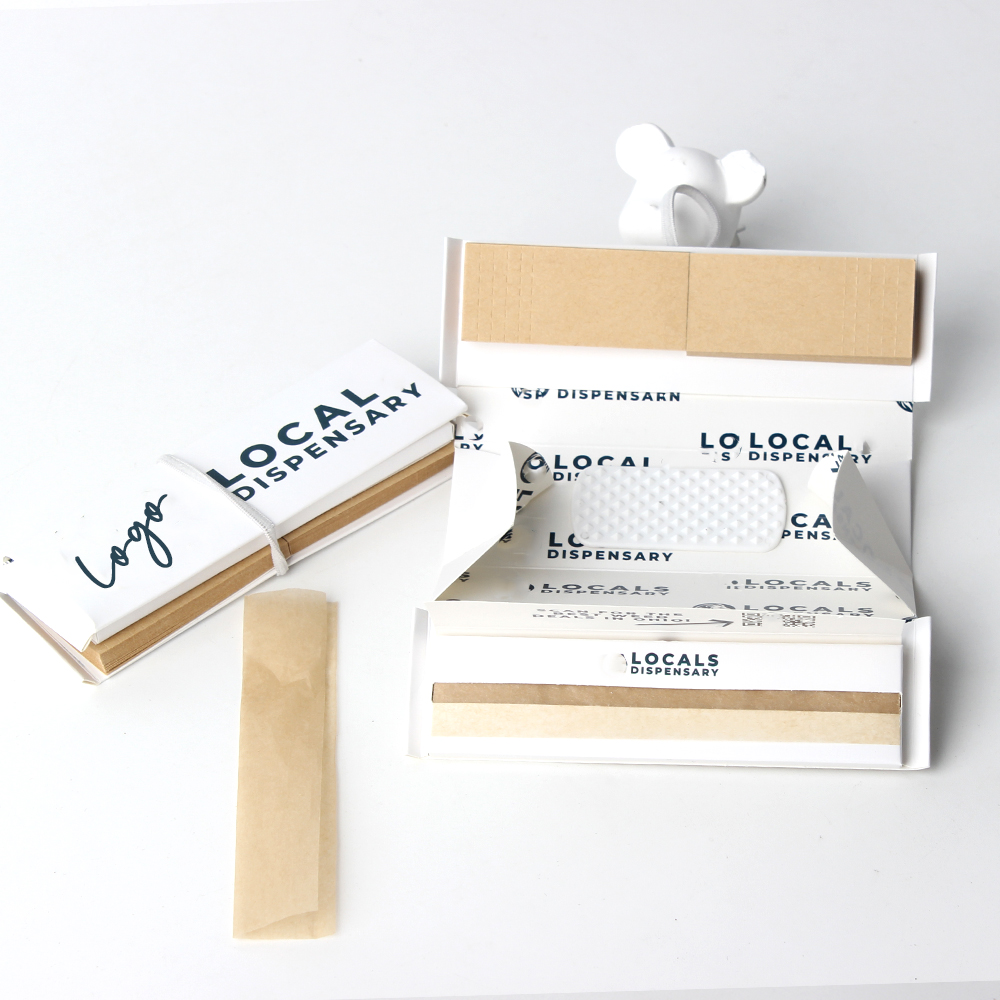
When manufacturers invest in custom rolling papers with natural gum strips, they expect consistent performance and reliable sealing. However, many discover a frustrating disconnect: the gum fails to activate properly, rolls separate during use, and the entire product disappoints. The root cause isn't always the gum itself. Low-quality substrates, improper paper composition, and inadequate base material durability create an environment where even premium natural adhesives cannot function effectively. Understanding this relationship is critical for any brand serious about product quality and customer satisfaction.
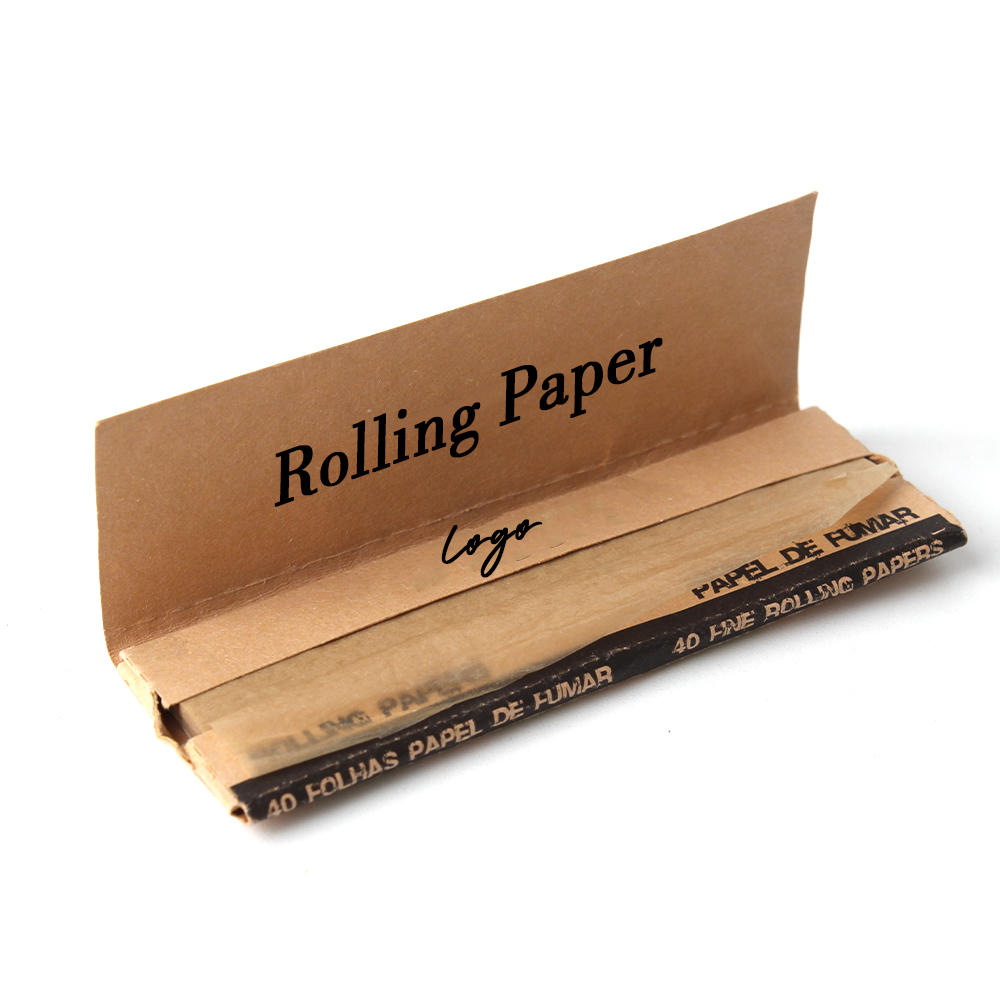
The failure of natural gum strips on inferior custom rolling papers represents a cascade of material incompatibilities rather than a single defect. When natural paper lacks structural integrity, thickness consistency, or proper moisture retention, the gummed paper cannot adhere properly because the substrate itself cannot hold moisture or maintain tension. This article explores why this happens, what factors determine adhesive performance, and how manufacturers can specify and source custom packaging solutions that guarantee reliable functionality from initial application through final use.
Natural gum strips rely on moisture reactivation to bond paper edges together securely. The quality of the paper substrate directly determines how effectively this moisture penetrates and spreads across the gummed surface. When custom rolling papers are manufactured from low-grade pulp, the fibers lack uniform density and coherence, creating irregular absorption patterns. Some areas become oversaturated while others remain dry, preventing the natural adhesive from forming a complete seal. Additionally, cheaper papers often contain fillers and coatings that block moisture penetration, rendering the gum strip essentially inert regardless of how much water is applied.
The internal fiber network of natural paper determines both moisture retention and mechanical stability during gum activation. High-quality custom rolling papers employ refined cellulose fibers with consistent fiber length distribution, enabling uniform moisture distribution and superior tensile strength. Conversely, low-quality papers feature irregular fiber networks with excessive fines and inconsistent sizing, resulting in weak moisture distribution and poor structural integrity. When users attempt to activate the natural gum strip through licking or dabbing, the underlying substrate cannot maintain the necessary tension and moisture balance to support strong adhesion. The paper itself may become papery and weak at the moistened edge, defeating the purpose of the gummed paper layer entirely.
Natural adhesives like gum arabic and plant-based polymers depend on precise pH levels and specific moisture conditions to achieve optimal bonding. Low-quality custom rolling papers often contain residual chemicals from inadequate processing, excess bleach residues, or incompatible sizing agents that interfere with natural gum performance. These contaminants can neutralize the adhesive properties or create surface barriers that prevent proper activation. When custom packaging is manufactured from premium natural paper, the substrate has been treated through rigorous quality protocols that eliminate interfering compounds and ensure optimal surface chemistry for gummed paper adhesion. Manufacturers using inferior materials skip these crucial steps, creating a mismatch between the adhesive's chemical requirements and the paper's chemical profile.
Effective adhesion requires direct, uniform contact between the natural gum strip and the paper substrate. Low-quality custom rolling papers exhibit rough, inconsistent surfaces with pilling, lint particles, and uneven texture that prevent the gummed paper from achieving full contact. These surface imperfections act as tiny barriers, leaving microscopic gaps where moisture cannot penetrate and adhesive cannot bond. Premium custom packaging maintains consistent surface smoothness through controlled manufacturing processes, blade pressure calibration, and superior calendering. When the surface quality is poor, even the finest natural adhesive formulation cannot overcome the structural impediments built into the substrate itself. This explains why superior gummed paper performs flawlessly on quality paper but fails dramatically on inferior materials.
When natural gum strips fail on low-quality custom rolling papers, users encounter several recognizable problems: the gum remains sticky or overly moist even after drying, the seal separates during handling, the paper tears at the gummed edge, or the gum refuses to activate entirely regardless of moisture application. These failures damage brand reputation and generate returns or complaints. The custom packaging industry has established minimum specifications for paper thickness, basis weight, tear strength, and surface uniformity precisely because low-quality materials cannot support functional gummed paper systems. Manufacturers who cut corners on substrate quality inevitably create products that underperform in actual use, regardless of adhesive investment.
Professional manufacturers of custom rolling papers adhere to rigorous testing protocols that ensure both the natural paper and the natural gum strips meet performance benchmarks. These standards measure moisture absorption rates, adhesive bond strength under defined conditions, tear resistance, and dimensional stability. Low-quality producers often skip independent testing or use inadequate internal quality control, resulting in inconsistent material batches where some rolls seal properly while others fail immediately. Specifying custom packaging with documented quality certifications and test data ensures that both the paper substrate and the gummed paper layer will function as intended. Choosing the lowest-cost option almost guarantees compatibility problems between inferior substrates and any adhesive system, whether natural or synthetic.
Natural gum strips can theoretically function on various paper types, but practical performance depends critically on substrate quality. High-grade custom rolling papers with consistent fiber structure, appropriate sizing, and clean surface chemistry allow natural adhesives to perform reliably. Low-quality materials create incompatibilities in moisture absorption, surface contact, and chemical composition that prevent effective adhesion regardless of gum formulation. Selecting custom packaging manufactured to recognized quality standards ensures compatibility between the paper base and any gummed paper system you choose to employ.
Premium natural paper undergoes refined pulping processes that eliminate contaminants, maintain uniform fiber length, and achieve consistent molecular structure throughout. This enables predictable moisture behavior, superior tensile strength, and reliable surface properties essential for supporting gummed paper adhesion. Budget custom rolling papers cut costs by using lower-grade pulp, abbreviated processing, inadequate sizing, and inconsistent quality control. The result is irregular fiber networks, unpredictable moisture absorption, weak structural integrity, and surface imperfections that undermine adhesive performance. When you specify high-quality custom packaging, you receive materials engineered to perform, not simply to exist at the lowest possible price point.
Specify custom packaging from manufacturers with documented quality certifications, independent test data, and established performance standards for both the substrate and the gummed paper layer. Request samples and conduct real-world adhesion testing before placing large production orders. Evaluate basis weight, thickness consistency, tear strength, and surface smoothness specifications. Choose suppliers who understand that superior natural paper combined with premium natural gum strips creates products that function as intended, delivering customer satisfaction rather than disappointment through performance failures rooted in material incompatibility.