EN
EN

what-to-look-for-in-a-factory-for-preroll-cones-with-filter-tips, what-to-look-for-in-a-factory-for-preroll-cones-with-filter-tips, /news
EN
2026/09/18

Selecting the right pre roll cones with filter tips factory is one of the most critical decisions a distributor or retailer can make. Your supplier directly impacts product quality, consistency, delivery reliability, and ultimately your business reputation. Whether you are launching a new product line or switching suppliers, understanding what makes a strong cone factory is essential. The wrong choice can result in defective products, customer complaints, and lost revenue. This guide walks you through the key evaluation criteria that separate reliable manufacturers from mediocre ones.
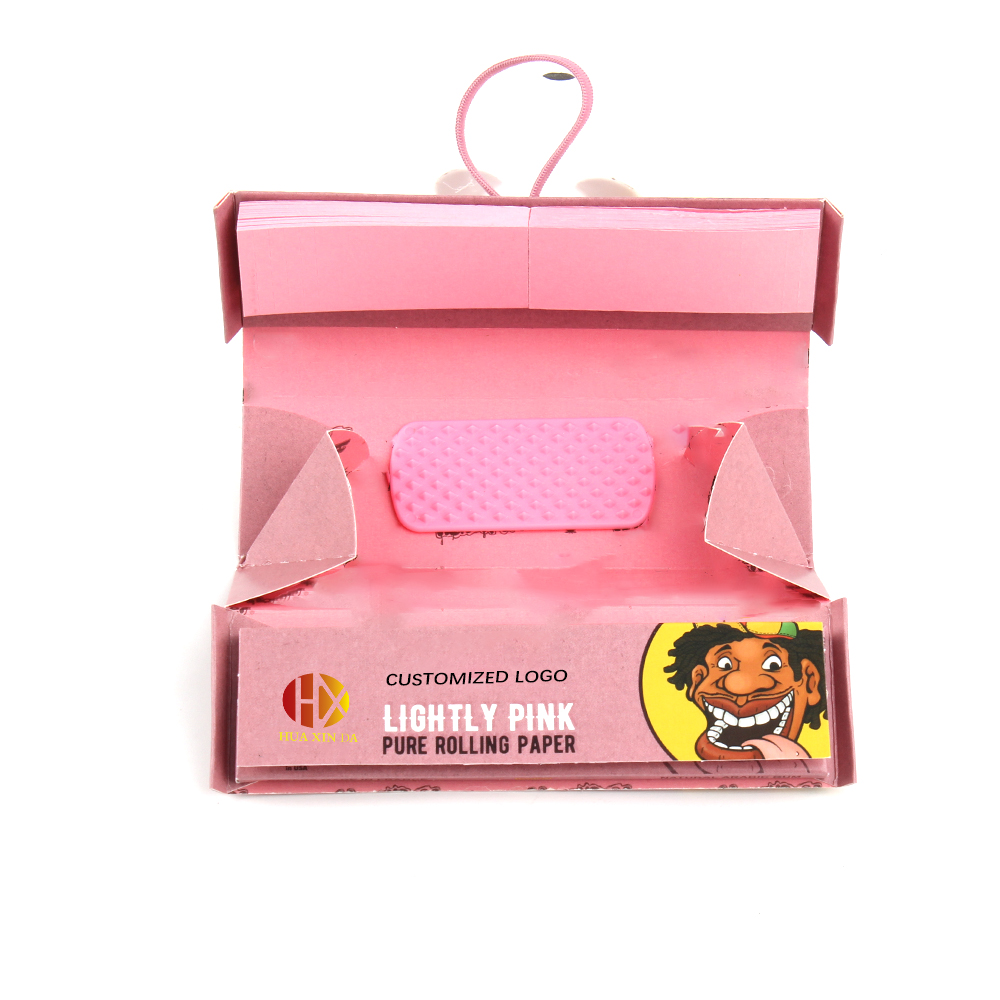
The cone factory landscape includes manufacturers of varying scales, from small artisanal producers to large industrial operations. Each brings different capabilities, pricing models, and service levels. Before you commit to any supplier, you need a clear framework for evaluation. This means looking beyond price alone and examining production standards, material sourcing, consistency metrics, and whether they offer the custom options your business requires. A reputable cone factory will welcome scrutiny and provide transparent documentation of their processes.
Quality consistency is the foundation of a reliable cone factory. Every batch of pre-roll cones with filter tips should meet identical specifications for cone diameter, paper thickness, filter tip dimensions, and seal integrity. This requires disciplined manufacturing processes, calibrated equipment, and rigorous testing protocols. A quality cone factory will have documented standard operating procedures and in-process quality checks at multiple production stages. Ask potential suppliers about their quality management system, whether they follow industry certifications, and what their defect rates are.
The best manufacturers measure quality consistency through statistical process control. They track metrics such as weight variation, permeability, burning characteristics, and filter tip adhesion across production runs. This data-driven approach prevents quality drift and catches problems early. When evaluating a cone factory, request their quality documentation, control charts, and third-party test results if available. A supplier unwilling to share this information is a red flag.
The raw materials used in pre-roll cones with filter tips directly determine the final product quality. A credible cone factory sources paper, adhesives, and filter materials from established suppliers with their own quality certifications. They maintain supply chain transparency and can trace materials back to their origin. This becomes especially important for regulatory compliance in markets with strict testing and labeling requirements. Ask your cone factory about their material suppliers, shelf life of materials, and how they prevent cross-contamination or mixing of incompatible batches.
Storage conditions also matter. Paper products absorb moisture, which affects rolling characteristics and seal strength. A quality cone factory maintains climate-controlled storage areas with monitoring systems. They organize inventory by production date and lot number to ensure proper rotation. These details may seem minor, but they directly impact the consistency customers experience when using your products.
Many businesses need custom options to differentiate their offerings or meet specific market demands. A progressive cone factory offers customization in several areas, including paper type, filter tip materials, cone dimensions, and branding options. Before selecting a supplier, clarify what custom options they actually support versus what is theoretical. Some manufacturers claim flexibility but lack the equipment or expertise to deliver reliably. Request samples of custom work they have completed for other clients to assess the quality of their customization.
Filter tips deserve special attention since they are a key differentiator. Different filter materials provide different burn rates, flavor profiles, and smoking experiences. A capable cone factory should offer multiple filter tip options, such as cellulose acetate, wood pulp, or specialty materials. They should also be able to adjust filter tip dimensions and density within reasonable parameters. Ask about their minimum order quantities for custom variations—some factories require very large runs, while others accommodate smaller orders.
As your business grows, you need a cone factory that can scale production without sacrificing quality. Understanding lead times is critical for inventory planning. A reliable manufacturer should provide realistic timelines and meet them consistently. They should also be transparent about their production capacity and any seasonal constraints. If a supplier quotes extremely short lead times, verify that they can actually deliver—rushed production often correlates with higher defect rates.
Discuss scaling scenarios with your cone factory. What happens if you suddenly need 50 percent more volume? Can they accommodate rush orders? Are there premium fees for expedited production? A quality cone factory maintains buffer capacity and relationships with trusted co-manufacturers if needed. They view your growth as an opportunity rather than a burden and plan accordingly.
The relationship with your cone factory extends beyond the initial purchase. You will need ongoing communication regarding orders, inventory levels, product issues, and technical questions. A reliable supplier assigns a dedicated account manager who knows your business and responds promptly to inquiries. They provide clear documentation of pricing, terms, and specifications. Before committing, test their responsiveness by sending questions and observing how quickly and thoroughly they respond.
Ask about their problem-resolution process. If you receive a shipment with quality issues, what is their response time? Do they provide replacement stock quickly or make you wait weeks? A strong cone factory stands behind their products and takes complaints seriously. They investigate root causes and implement corrective actions to prevent recurrence.
Cost matters, but the cheapest cone factory is rarely the best choice. A realistic price reflects the quality standards, material costs, and operational overhead of a legitimate manufacturer. Be cautious of suppliers offering significantly lower prices than their competitors—this often indicates corner-cutting on materials or quality controls. Request detailed quotes that break down unit cost, customization fees, tooling charges, and minimum order quantities.
Discuss payment terms and any volume discounts available. Some cone factories offer tiered pricing for larger orders, which incentivizes scale. Understand their refund policies, what happens if you need to modify an order, and whether they require deposits or upfront payment. Transparent pricing and reasonable payment terms indicate a professional, established manufacturer.
Look for a cone factory with documented quality management systems, statistical process control, third-party testing data, and industry certifications. They should provide consistent specifications for cone diameter, paper thickness, filter tips, and burn characteristics. Request their defect rates and control charts to verify they maintain rigorous standards across all production batches.
Request samples of previous custom work to assess quality. Clarify what custom options they actually support—including paper types, filter tip materials, dimensions, and branding. Confirm their minimum order quantities for customization and whether their quoted lead times remain realistic for custom orders. A capable cone factory should show flexibility while maintaining quality consistency.
Ask your cone factory about standard lead times, their current production capacity, and how they handle rush orders. Understand seasonal constraints or bottlenecks. A reliable supplier should provide realistic timelines and meet them consistently. Discuss scaling scenarios and whether they can accommodate growth without sacrificing quality or extending lead times significantly.