EN
EN

optimizing-thickness-and-density-for-custom-rolling-papers-production, optimizing-thickness-and-density-for-custom-rolling-papers-production, /news
EN
2026/09/02
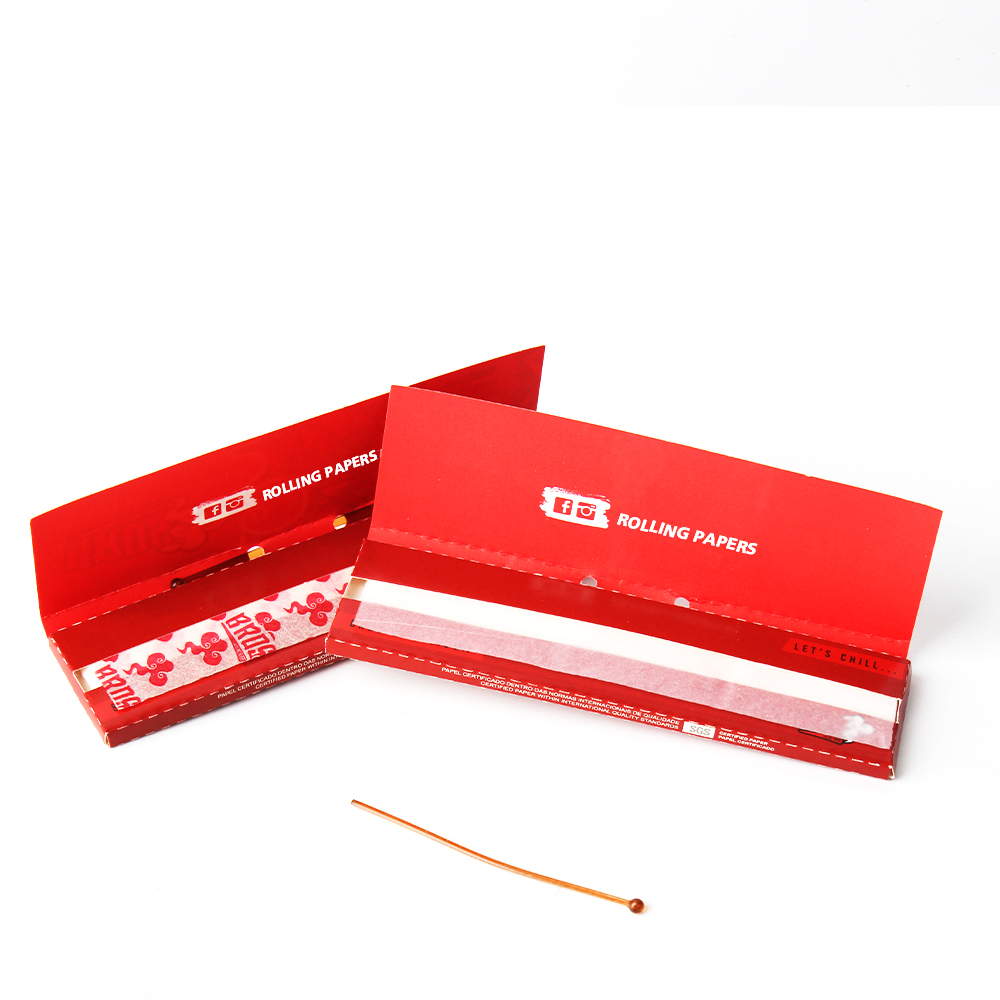
The production of custom rolling papers demands precision in every manufacturing phase, with thickness and density standing as critical parameters that directly influence product performance, user experience, and market competitiveness. Manufacturers who master these specifications gain a significant advantage in delivering superior quality while maintaining cost efficiency and customer satisfaction. Understanding the relationship between thickness, density, and paper dimensions enables producers to create products that meet diverse consumer preferences and regulatory standards.
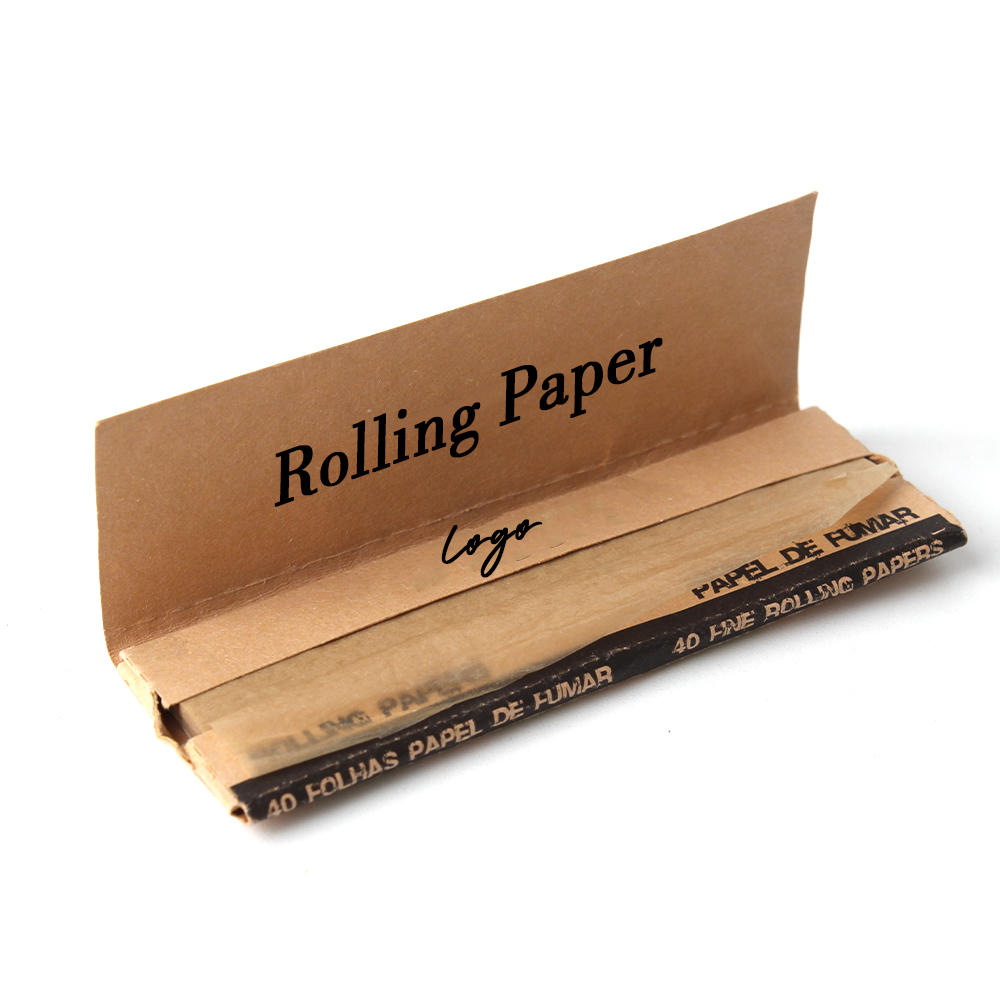
Optimization of thickness and density in custom rolling papers production is not a single-variable challenge but rather a multifaceted process involving material selection, manufacturing equipment calibration, and rigorous quality control. The interplay between these factors determines the final product's burn rate, flavor retention, ease of rolling, and overall consumer satisfaction. By implementing systematic approaches to measurement, testing, and adjustment, manufacturers can achieve consistent results across different custom size formats, including popular king size slim dimensions that appeal to modern consumers seeking premium smoking experiences.
Thickness in custom rolling papers directly affects how the product performs during use. Thinner papers create a lighter smoking experience and burn more slowly, allowing users to enjoy their products over extended periods. Conversely, thicker materials provide greater structural integrity, making them easier to handle during the rolling process and reducing the risk of tears or ruptures. The optimal thickness range typically falls between 0.04mm and 0.08mm, though specific requirements vary based on market segment and consumer preferences.
Paper dimensions and thickness work together to influence usability. When producing custom size formats, maintaining consistent thickness across the entire sheet becomes more challenging due to variations in the production line. Manufacturers must calibrate their equipment to account for these variations, ensuring that every sheet of custom rolling papers meets the specified thickness tolerance. This consistency directly impacts user satisfaction and brand reputation, as consumers immediately notice inconsistencies in product quality.
Density determines how much material exists within a given volume of paper, affecting the product's opacity, strength, and how evenly it burns. Higher density provides better smoke retention and creates a more durable product that withstands handling stress, while lower density produces a lighter feel and potentially faster burning characteristics. For king size slim papers specifically, achieving the correct density balance is crucial because these narrow dimensions create inherent structural challenges that density alone must sometimes compensate for.
The density of custom rolling papers influences manufacturing efficiency and cost structure. Materials with inappropriate density require more frequent adjustments to production equipment, leading to increased downtime and waste. By optimizing density specifications during the design phase, manufacturers reduce operational complexities and improve profit margins while simultaneously delivering superior end-user products.
Modern production facilities use computerized systems to monitor and control thickness throughout the manufacturing process. These systems employ real-time measurement sensors that detect deviations from target specifications and automatically adjust equipment parameters to correct variances. When producing custom size papers with varying dimensions, calibration becomes more complex, requiring operators to reprogram equipment for each distinct format change. Investing in advanced measurement technology enables manufacturers to maintain tight tolerances across their entire product range, from standard formats to specialized king size slim variants.
Density control during manufacturing occurs primarily through material composition and pressing pressure adjustments. The pulp mixture, processing chemicals, and water content all influence the final density of custom rolling papers. Manufacturers must carefully regulate these variables to achieve the desired density characteristics while maintaining consistent paper dimensions. Quality assurance testing at multiple points during production helps identify drift from specifications before products reach the market.
Rigorous testing protocols are essential for verifying that thickness and density meet specifications. Manufacturers use specialized equipment like micrometers and density gauges to measure individual sheets, taking samples from different production batches and positions to detect variability. Statistical analysis of these measurements reveals whether production processes remain within acceptable parameters or require adjustment. For custom rolling papers destined for premium market segments, testing frequency intensifies to ensure only the highest quality products reach consumers.
Burn testing provides practical validation of thickness and density optimization. By observing how paper burns, manufacturers gain insights into whether their specifications translate into desirable user experiences. Papers that burn too quickly may indicate insufficient density or inappropriate thickness, while slow-burning papers might suggest density issues that frustrate consumers. This real-world performance data informs iterative improvements to manufacturing parameters and helps manufacturers refine their approach to producing both standard and custom size formats.
King size slim papers represent a growing market segment where customization of dimensions creates particular challenges for thickness and density optimization. These narrow, elongated papers require careful attention to structural integrity since the reduced width naturally compromises strength compared to standard formats. Manufacturers must increase density slightly to compensate for geometric constraints while maintaining the lightweight feel that consumers expect from premium custom rolling papers. This balancing act requires sophisticated understanding of material properties and consumer preferences.
Producing custom size variations of king size slim format demands flexible manufacturing capabilities. Equipment must accommodate multiple width and length configurations without compromising quality. Some manufacturers use modular production systems that allow rapid adjustment between different paper dimensions while maintaining consistent thickness and density specifications. This flexibility enables producers to serve niche markets that demand specialized formats without maintaining separate production lines for each variation.
Different consumer markets prioritize different characteristics in custom rolling papers, influencing thickness and density optimization strategies. Premium segments value consistent quality and sophisticated burn characteristics, necessitating tighter thickness tolerances and carefully engineered density profiles. Budget-conscious segments prioritize affordability while maintaining acceptable performance standards. Manufacturers serving multiple market tiers must develop product lines with varying specifications to address these diverse requirements without sacrificing efficiency.
Regional preferences and regulatory requirements also shape customization approaches. Some markets prefer thinner, slower-burning papers while others favor thicker materials with different density characteristics. Custom rolling papers manufacturers who understand these nuances can tailor their production capabilities to serve regional markets more effectively. Paper dimensions preferences also vary geographically, with some regions strongly preferring king size slim formats while others maintain loyalty to traditional dimensions.
The optimal thickness range for custom rolling papers typically falls between 0.04mm and 0.08mm, depending on intended market segment and consumer preferences. Premium products often target the lower end of this range for a refined smoking experience, while products designed for durability may approach the upper limit. Manufacturers should establish specific thickness targets based on their target market and validate these specifications through consumer testing.
Density significantly influences burn rate, with higher density papers generally burning more slowly by restricting oxygen flow through the material. When producing custom size formats, achieving the correct density becomes even more critical because dimensional variations can already impact burn characteristics. Manufacturers must carefully calibrate density specifications to ensure that papers burn at the intended rate regardless of custom dimensions chosen.
King size slim papers present unique challenges because narrow dimensions naturally compromise structural integrity compared to standard formats. Manufacturers must increase density slightly to compensate for these geometric constraints while preserving the lightweight characteristic that makes king size slim products attractive. Additionally, producing these custom rolling papers requires equipment capable of handling non-standard dimensions without sacrificing consistency in thickness and density across entire production runs.